Category

CULTURE

Category

Introduction to Indigenous Cultures

Indigenous cultures refer to the traditions, beliefs, and customs practiced by the original inhabitants of a particular region. These communities maintain a close connection to their ancestral lands and emphasize the importance of passing down knowledge through generations. Understanding indigenous cultures is essential, as it provides insights into sustainable living, holistic worldviews, and a deep respect for nature.

The preservation of indigenous cultures is crucial for various reasons. Firstly, these cultures contribute to the tapestry of global diversity, enriching humanity’s collective heritage. The unique languages, art forms, rituals, and knowledge systems found within these communities offer invaluable contributions to fields such as medicine, agriculture, and ecology. Moreover, the survival of indigenous traditions is vital for the identities and autonomy of the indigenous peoples themselves.

Historically, indigenous communities have demonstrated remarkable resilience. Many have endured colonization, forced assimilation, and marginalization, yet they have continued to preserve their rich heritage. This endurance highlights the historical significance of these cultures, underscoring their strength and adaptability. By engaging with and respecting indigenous traditions, contemporary society can learn a great deal about coexisting harmoniously with the environment and fostering inclusive communities.

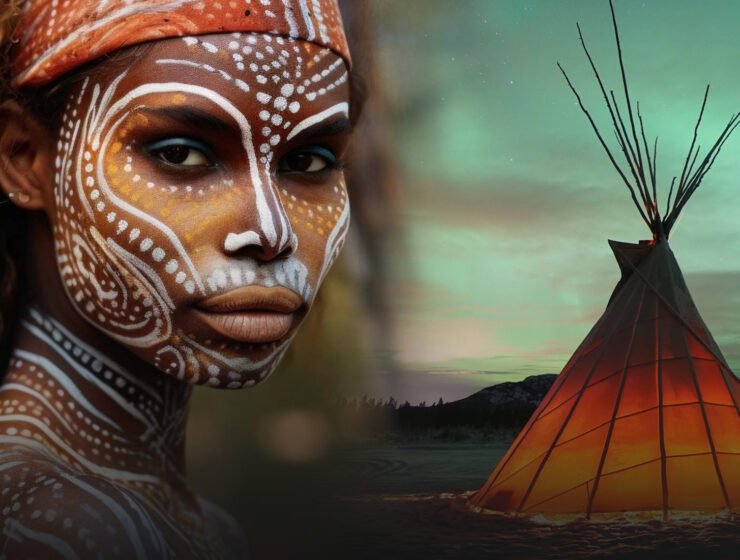
Globally, there are numerous indigenous groups, each uniquely contributing to the cultural mosaic of humanity. From the First Nations of North America to the Aborigines of Australia, and the myriad communities in Africa, Asia, and the Pacific Islands, indigenous cultures encapsulate a wide array of traditions and belief systems. These cultures often center around spirituality, community cohesion, and a symbiotic relationship with nature, offering alternative perspectives to modern ways of thinking.

As we delve deeper into exploring indigenous cultures, it is imperative to recognize and honor their richness and continuity. By doing so, we not only acknowledge the past injustices faced by these communities but also contribute to a more diverse and inclusive global society.

Historical Background and Impact of Colonization

Indigenous cultures have a rich and complex history that stretches back thousands of years, long before the onset of European colonization. Ancient societies developed intricate social structures, sophisticated agricultural systems, and a deep spiritual connection with the land. These early civilizations, from the African Maasai to the Aboriginal Australians, were marked by their resilience and adaptability in diverse environments.

The arrival of European colonizers in the 15th and 16th centuries heralded a seismic shift for indigenous populations worldwide. Colonization disrupted and dismantled established ways of life through a combination of military conquest, missionary zeal, and the imposition of foreign systems of governance and economics. Indigenous peoples were often forcibly removed from their ancestral lands, leading to a loss of traditional practices and displacement from their cultural heartlands.

One pivotal event in this history is the colonization of the Americas. European powers, in their race for expansion, introduced diseases that decimated indigenous populations and established oppressive regimes. Figures such as Tecumseh and Sitting Bull emerged, embodying the spirit of resistance and fighting to preserve their peoples’ ways of life. Despite their efforts, the social and cultural fabric of many indigenous communities was irrevocably altered.

In the case of Africa, colonization led to the carving up of the continent, disregarding existing ethnic and cultural boundaries. Leaders like Shaka Zulu and others resisted colonial encroachment, but the introduction of European political borders sowed long-lasting divisions. Similarly, across the Pacific, indigenous Polynesian, Melanesian, and Micronesian societies faced existential threats from colonial pressures, but they maintained their traditions through resilience and adaptation.

The impact of colonization on indigenous cultures is profound and far-reaching. While the colonizers viewed their actions as a ‘civilizing mission,’ the reality for indigenous peoples was often one of oppression and cultural loss. However, through efforts to sustain and revive their heritage, many indigenous communities continue to thrive, celebrating their traditions and beliefs despite the historical adversities faced.

Language and Oral Traditions

The linguistic diversity of indigenous cultures is a critical aspect of their identity and heritage. Many indigenous communities possess unique languages that are integral to their cultural expressions and traditions. These languages encapsulate specific worldviews, environmental knowledge, and social practices that are distinctive to each community. Unfortunately, the decline of indigenous languages is a pressing issue, primarily driven by external pressures such as colonization, globalization, and modernization. As dominant languages overshadow indigenous tongues, the risk of losing valuable cultural wisdom and heritage increases.

Efforts to revitalize indigenous languages are vital in the fight against cultural erosion. Various initiatives are being undertaken by indigenous communities, linguists, and organizations to document, teach, and promote these languages. These efforts range from creating educational programs, digital archives, and language apps to establishing community-based language nests where younger generations engage in immersive language learning with elders. Such initiatives are integral not only for preserving linguistic diversity but also for empowering the communities to maintain their cultural sovereignty and pride.

Oral traditions play a significant role in the preservation and transmission of cultural knowledge within indigenous cultures. These traditions encompass storytelling, songs, chants, proverbs, and rituals, all acting as conduits of wisdom, history, and values. Unlike written records, oral traditions are dynamic, allowing for adaptation and creativity in their transmission. Elders and storytellers serve as the custodians of these oral traditions, ensuring that they are passed down through generations.

The symbiotic relationship between language and oral traditions is evident as both elements reinforce each other in the perpetuation of culture. When a language thrives, oral traditions flourish, fostering a sense of identity and continuity. Conversely, when oral traditions are actively maintained, they contribute to the revitalization and survival of the language. Thus, safeguarding indigenous languages and oral traditions is crucial in sustaining the cultural heritage and identity of indigenous peoples globally.

Spiritual Beliefs and Practices

The spiritual dimensions of indigenous cultures are deeply intertwined with their daily life and community welfare, often guiding both personal and communal decision-making. Many indigenous cultures possess a rich cosmology that encompasses their understanding of the universe, the origins of humanity, and the interplay between the material and spiritual worlds. These belief systems are intricately woven into the cultural fabric, influencing art, stories, and ecological practices.

One of the most pivotal figures in these societies is the shaman or spiritual leader. Shamans are considered mediators between the spiritual and physical realms, capable of communicating with ancestral spirits, deities, and other supernatural entities. Their role extends to healing the sick, guiding souls, performing divination, and safeguarding the spiritual health of the community. The process of becoming a shaman often involves rigorous training and initiation ceremonies, underscoring the significant spiritual knowledge and experience required for the role.

Religious beliefs in indigenous communities often incorporate animism, the belief that all entities in nature, including animals, plants, and inanimate objects, possess a spiritual essence. This worldview fosters a profound respect and harmonious relationship with the environment. Ceremonies and rituals play a crucial role in these belief systems, serving as conduits for community cohesion and spiritual reinforcement. Common practices include seasonal festivals that celebrate harvests or celestial events, rites of passage marking significant life transitions such as birth, puberty, marriage, and death, and various healing rituals aimed at restoring balance within individuals and the community.

These spiritual practices are not isolated from the everyday lives of indigenous people; rather, they are seamlessly integrated into their routine activities. From daily prayers and offerings to honoring sacred places and relics, spirituality permeates every aspect of life. This holistic approach ensures that the community’s welfare is continuously aligned with their spiritual values, fostering a sense of unity, purpose, and resilience among its members.

Art and Symbolism

Indigenous art forms, from visual arts to crafts, music, and dance, are profound mediums of storytelling and cultural expression. Through various artistic practices, indigenous communities have preserved their history, imparting it from generation to generation. Art in indigenous cultures goes beyond mere aesthetic appeal; it embodies deep spiritual, social, and historical significances that resonate with their worldview and beliefs.

The visual arts of indigenous peoples include intricate carvings, sculptures, paintings, and textiles. These creations often feature symbolic representations tied to myths, legends, and ancestral heroes, serving as a conduit for transmitting cultural narratives. For instance, the totem poles among Native American tribes are emblematic, each carving representing important clan symbols, spiritual beliefs, and ancestral stories.

Crafts such as weaving, basketry, and pottery also hold substantial cultural value. These crafts are not just utilitarian; they are adorned with intricate patterns and motifs that encode the community’s lore and environmental understanding. Weaving techniques and designs vary significantly among different indigenous groups, each pattern narrating stories of creation, nature, and community values.

Music and dance are crucial components of indigenous art, deeply intertwined with rituals, celebrations, and communal cohesion. Traditional music, often using unique instruments like drums, flutes, and rattles, accompanies dances that depict creation myths, honor deities, or celebrate agricultural cycles. These performances are not only expressions of joy and reverence but also crucial methods of keeping their cultural heritage alive and vibrant.

Symbolism in indigenous art is ubiquitous and multilayered, reflecting their cosmology, social hierarchy, and spiritual beliefs. Symbols such as animals, celestial bodies, and natural elements are recurrent in various art forms. Each symbol holds specific meanings; for example, the eagle might symbolize strength and divine connection in many Native American cultures, while the sun often represents life and guidance.

In essence, indigenous art and symbolism are integral to the cultural fabric of these communities. They provide a profound understanding of their ancestors’ worldviews, venerating their spiritual connections, and preserving their historical narratives. By appreciating these art forms, we gain insight into the enduring legacy and rich cultural heritage of indigenous peoples.

Social Structures and Community Life

The social structures within indigenous cultures are intricate and foundational to their community life. Central to these social organizations are family structures, clans, and tribes, which play pivotal roles in shaping the communal and individual identities. The family unit often extends beyond the nuclear family to include extended relatives, creating a tight-knit web of support and interdependence. These extended family networks are crucial for the transmission of cultural practices, traditions, and beliefs from one generation to the next.

Clans and tribes further define the social fabric of indigenous societies, with each clan or tribe having specific roles and responsibilities that contribute to the overall well-being of the community. Leadership within these groups is typically based on wisdom, age, and respect, rather than just hierarchical power. Elders often hold esteemed positions within the community, guiding decision-making processes and acting as custodians of cultural knowledge.

Governance systems in indigenous cultures are diverse yet share common principles of collective decision-making and consensus. Many indigenous societies operate on a form of participatory democracy, where community members gather to discuss and resolve issues affecting their collective lives. This system of governance ensures that every voice is heard, thereby fostering a sense of unity and shared purpose. Leadership roles, such as chiefs or councils, are imbued with the responsibility to act in the community’s best interest, emphasizing the well-being of the group over individual gain.

The communal nature of indigenous societies is evident in their social interactions and collective activities. Practices such as shared labor, communal feasting, and collective ceremonies reinforce the bond among members and uphold social harmony. These social structures not only facilitate cooperation and mutual support but also serve as a mechanism for maintaining cultural identity and continuity. The interconnectedness of social roles and communal participation helps preserve the rich cultural heritage and traditions that define indigenous way of life.

Challenges and Resilience

Indigenous communities around the world face a myriad of modern-day challenges that threaten their way of life, cultural integrity, and even their existence. One of the most pervasive issues is land rights. Many indigenous peoples inhabit lands that are rich in natural resources, making these areas targets for exploitation by industries such as mining, agriculture, and logging. Despite historical claims and treaties, these communities often find themselves in prolonged legal battles to retain their ancestral lands. The struggle to preserve their homelands is not just a fight for territory but also for their cultural survival.

Environmental threats are equally pressing. Climate change disproportionately affects indigenous territories, leading to phenomena like rising sea levels, deforestation, and loss of biodiversity. These environmental changes threaten traditional practices, disrupting the harmonious balance indigenous communities have maintained with nature for centuries. Socio-economic marginalization further compounds these challenges, leading to issues like inadequate access to education, healthcare, and economic opportunities. Indigenous populations frequently suffer higher rates of poverty and unemployment, exacerbating their vulnerability.

However, the story of indigenous peoples is not solely one of adversity. These communities exhibit remarkable resilience and adaptability. Legal victories in various parts of the world have underscored their resolve. For instance, the landmark ruling in favor of the Indigenous Asháninka community in Peru, which resulted in the Peruvian government acknowledging their land rights, serves as a brilliant example of judicial success. Additionally, grassroots movements, bolstered by both local and international support, have empowered communities to reclaim and protect their cultural heritage.

Success stories of cultural preservation are evident in initiatives like language revitalization programs, traditional art and craft resurrection, and the sustainable management of natural resources. These endeavors not only safeguard cultural heritage but also provide economic opportunities, fostering a sense of pride and continuity within indigenous communities. By harnessing traditional knowledge and modern technologies, these peoples continue to inspire and educate the world about the invaluable contributions they make to global cultural diversity.

The Future of Indigenous Cultures

As we contemplate the future of indigenous cultures, it is essential to focus on increasing global awareness and support for indigenous rights. The preservation of their traditions and beliefs hinges heavily on the broader recognition of their value. Cultivating a respectful understanding of these ancient cultures can foster a richer, more diverse global society. Essential to this process is the amplification of indigenous voices in international forums, where policy and decision-making can be influenced to protect and promote indigenous ways of life.

Education plays a pivotal role in the preservation of indigenous cultures. By integrating indigenous knowledge and perspectives into the mainstream curriculum, we not only validate these cultures but also enrich the learning experiences of all students. Educational initiatives that involve elders and cultural practitioners as educators help to maintain the transmission of traditional knowledge to younger generations. These efforts can create a bridge between modernity and tradition, ensuring that cultural legacies are carried forward.

The impacts of technology and globalization on indigenous cultures are multifaceted. While there are valid concerns regarding cultural erosion and homogenization, there are also substantial opportunities for cultural preservation and revitalization. Digital platforms offer an unprecedented ability for indigenous peoples to document, share, and celebrate their cultural practices. Social media, online archives, and virtual reality experiences can serve as powerful tools to educate and engage broader audiences, fostering a greater appreciation for indigenous cultures.

Moreover, technology can aid in the economic empowerment of indigenous communities through the promotion of local crafts, traditional medicines, and eco-tourism. By balancing the use of modern technology with respect for traditional practices, indigenous cultures can find innovative ways to flourish in a globalized world.

In the spirit of mutual respect and collaboration, it is crucial that we continue to advocate for the rights of indigenous peoples. This includes land rights, cultural property rights, and the right to self-determination. By honoring these principles, we can contribute to a future where indigenous cultures not only survive but thrive, creating a more inclusive and harmonious world.

The Future of Media: Trends to Watch

The evolution of media has been a remarkable journey, marked by significant technological advancements, shifts in audience preferences, and the pervasive impact of digital transformation. From the early days of print newspapers and radio broadcasts to today’s streaming platforms and social media networks, the media landscape has continuously adapted to both the pace of technological innovation and the changing needs of audiences.

Key technological developments have played a pivotal role in transforming how media is produced, distributed, and consumed. The advent of the internet in the late 20th century revolutionized access to information and content, leading to the emergence of digital news outlets, blogs, and online forums. This digital shift not only diversified the sources of information available but also democratized content creation, allowing individuals to become influencers and broadcasters.

In parallel, audience preferences have undergone significant transformations. The traditional one-to-many communication model, characterized by a passive consumption of content, has given way to a more interactive and personalized media experience. Audiences today expect on-demand access to content across multiple devices and platforms, driving the popularity of streaming services and social media networks. The rise of mobile technology further accelerated this trend, making media consumption more convenient and versatile than ever before.

Digital transformation has fundamentally redefined the media industry, blurring the lines between content producers and consumers. Social media platforms have become powerful distribution channels, enabling real-time interaction and engagement. Moreover, advancements in artificial intelligence and data analytics have provided deeper insights into audience behavior, facilitating targeted content delivery and personalized recommendations.

Understanding these current trends is crucial for anticipating the future landscape of media. As technology continues to evolve and audience expectations shift, media organizations must remain agile and innovative to stay relevant. By examining past developments and current dynamics, stakeholders can better prepare for the opportunities and challenges that lie ahead in the ever-changing world of media.

The Rise of Streaming Services

The explosion in popularity of streaming services such as Netflix, Hulu, and Disney+ has fundamentally transformed the way we consume media. The diverse array of content available on these platforms has ushered in a new era, with viewers increasingly shifting from traditional television to on-demand viewing. This trend is evident in numerous statistics that underscore the exponential growth of streaming. For instance, Netflix reported having over 200 million global subscribers as of early 2021, solidifying its position as a dominant force in entertainment. Similarly, Disney+ garnered an impressive 116 million subscribers within just 18 months of its launch.

This paradigm shift holds far-reaching implications for both content creators and advertisers. Content creators now have unprecedented opportunities to experiment with different genres and storytelling techniques without the constraints traditionally imposed by network television. Popular shows like “Stranger Things” on Netflix and “The Mandalorian” on Disney+ exemplify how streaming platforms allow for creative freedom, resulting in critically acclaimed and commercially successful productions. By embracing the streaming model, creators can tap into a vast, global audience that spans multiple demographics.

For advertisers, the rise of streaming services necessitates an adaptation in strategy. Traditional TV commercials are being replaced with targeted ads more attuned to user preferences. Streaming platforms leverage data analytics to deliver highly personalized advertising, offering brands the chance to engage with viewers in a more meaningful way. This shift not only optimizes ad spend but also enhances the viewing experience by presenting relevant content to the audience.

Overall, the rise of streaming services is reshaping the media landscape, driving innovation in content creation, and revolutionizing advertising methods. As these platforms continue to evolve, they promise to offer even more tailored and immersive experiences for viewers worldwide.

The Impact of Artificial Intelligence and Machine Learning

Artificial intelligence (AI) and machine learning (ML) are revolutionizing the media industry, reshaping how content is produced, distributed, and consumed. One of the most significant changes is the advent of personalized content recommendations. Platforms like Netflix and Spotify leverage AI algorithms to analyze user behavior, generating tailored suggestions that enhance user engagement and satisfaction. These algorithms consider factors such as viewing history, preferences, and even time of day, leading to an incredibly customized media experience.

Automated journalism is another groundbreaking development fueled by AI and ML. News organizations like The Associated Press and Reuters utilize AI systems to draft news articles, especially for routine reporting such as financial summaries and sports scores. These AI-driven narratives are not only faster but also enable journalists to focus on more in-depth investigative reporting. This collaboration between human intelligence and machine efficiency promises a more dynamic and comprehensive news landscape.

Improved audience analytics are further transforming media strategies. Machine learning models analyze vast datasets to glean insights into audience demographics, preferences, and behaviors. This data-driven approach allows media companies to fine-tune their content, marketing strategies, and distribution channels to better meet audience needs. For instance, AI can predict trending topics, helping media outlets stay ahead of the curve and relevant in a rapidly changing environment.

While the benefits of AI and ML in media are compelling, they are accompanied by notable challenges. Ethical considerations, such as algorithmic biases and transparency, are critical. For instance, there is a risk that AI systems may reinforce existing biases if not properly managed. Additionally, the use of AI raises concerns about data privacy, as personalized services often require extensive collection of user data. Media organizations must navigate these challenges carefully, implementing robust data protection measures and ethical guidelines to safeguard user information and build trust.

AI and machine learning hold immense potential to elevate the media industry, yet they require thoughtful integration and continuous ethical scrutiny. Balancing innovation with responsibility will be key to harnessing these technologies’ full power.

The Role of Virtual Reality (VR) and Augmented Reality (AR)

In the rapidly evolving media landscape, Virtual Reality (VR) and Augmented Reality (AR) stand out as revolutionary technologies that are reshaping how content is both created and consumed. As these immersive technologies advance, their integration into media experiences becomes increasingly sophisticated, offering transformative applications in various domains.

One of the most significant areas where VR and AR are making a profound impact is in news reporting. By leveraging VR, journalists can create immersive experiences that transport viewers directly to the scene of news events. For instance, The New York Times has pioneered VR journalism with its ‘The Daily 360’ series, providing a more engaging perspective that goes beyond traditional reporting. Similarly, AR is being utilized to overlay real-time data and interactive graphics during live broadcasts, offering viewers an enriched understanding of events as they unfold.

Immersive storytelling is another domain where VR and AR are breaking new ground. Filmmakers and content creators are experimenting with these technologies to craft narratives that engage audiences on an unprecedented level. Projects like ‘Carne y Arena,’ an Oscar-winning VR experience by Alejandro G. Iñárritu, allow audiences to experience the harrowing journey of immigrants from a first-person perspective, bringing a deeper emotional connection to the story.

Interactive advertising also benefits from the capabilities of VR and AR. Brands are increasingly adopting these technologies to create dynamic and engaging ads. A notable example is the collaboration between IKEA and the AR app ‘IKEA Place,’ which allows customers to visualize how furniture will look and fit in their homes before making a purchase. This interactive approach not only enhances customer engagement but also drives more informed purchasing decisions.

Looking ahead, as VR and AR technologies continue to advance and become more accessible, their potential applications in media will expand even further. We can anticipate more sophisticated and seamless integrations that will revolutionize the way we interact with content across entertainment, education, and beyond. As costs decrease and accessibility improves, the boundaries of these immersive experiences will only stretch wider, promising an exciting future for media and its consumers.

The Evolution of Social Media Platforms

The landscape of social media has significantly transformed from simple networking sites to multifaceted media platforms. Initially created to foster connections, platforms such as Facebook, Twitter, and Instagram have evolved to become integral to not only personal interactions but also content consumption and distribution.

Facebook, once a collegiate networking site, is now a leading conglomerate in the media industry. With sophisticated algorithms, Facebook curates feeds to prioritize content that maximizes user engagement, thus significantly impacting content visibility. The rise of Instagram has shifted the focus towards visual storytelling, where influencer marketing has taken center stage. Instagram’s algorithm also favors engaging content, which has led to the proliferation of influencer culture, turning ordinary users into marketing powerhouses.

Twitter, known for its brevity and immediacy, has found its niche as a real-time news and conversation hub. The platform’s algorithm emphasizes relevance and recency, allowing trends to emerge rapidly and news to disseminate quickly. This allows for instant user engagement and has positioned Twitter as a critical tool for journalists, politicians, and celebrities.

Emerging platforms like TikTok have revolutionized content creation with their emphasis on short, creative videos. TikTok’s algorithm promotes content based on user preferences and engagement patterns, driving virality in unprecedented ways. The platform’s unique approach has resonated with younger demographics, highlighting the shifting preferences in media consumption.

User-generated content remains crucial across all platforms. It feeds into the algorithms, driving engagement and keeping users invested. However, this reliance on algorithms has raised concerns regarding content biases and echo chambers, where users are exposed only to information aligning with their beliefs. This has sparked discussions about potential future shifts in regulation and the push for more transparent algorithmic practices.

As we look ahead, the future of social media platforms will likely involve further integration of artificial intelligence, enhanced content personalization, and potentially stricter regulations. These trends suggest a more dynamic and possibly more controlled environment, setting the stage for another significant evolution in how we interact, consume, and create content on these ever-growing platforms.

The Emergence of Podcasting and Audio Content

In recent years, podcasting has transcended from a niche hobby to a mainstream medium, significantly influencing the media landscape. The prevalence of smartphones, alongside an increasing demand for on-the-go content, has spurred the exponential growth of audio content. Platforms such as Spotify and Apple Podcasts have been instrumental in this evolution, offering creators seamless distribution channels and audiences a rich array of listening options.

Statistic insights reveal intriguing listener demographics and behavior. According to the Infinite Dial 2021 report by Edison Research, 57% of Americans have listened to a podcast, with the average age of listeners spanning across millennials and Gen-Z, reflecting a diverse age spectrum. Furthermore, the same report indicated that 41% of monthly podcast listeners are between the ages of 12-34. This data underscores the widespread appeal and engagement levels within these key demographic brackets.

For creators, podcasting offers numerous benefits. It is a cost-efficient method to produce content compared to traditional media, enabling thought leaders, experts, and hobbyists to cultivate a direct and personal connection with their audiences. Additionally, the long-form nature of podcasts allows for in-depth exploration of topics, fostering sustained listener engagement. Innovative formats, such as narrative storytelling, interview series, and panel discussions, have further enriched the podcasting landscape.

Looking ahead, several potential trends may reshape podcasting. One such trend is live podcasting, where creators engage real-time with their audience, adding an interactive dimension to the content. Another trend is the integration of voice search technology, which could revolutionize how listeners discover and access podcasts. As smart speakers become household staples, optimizing audio content for voice search will become increasingly paramount.

In essence, the emergence of podcasting and audio content is a testament to the evolving media consumption patterns, offering rich opportunities for creators and forging a transformative path for the industry.

The Convergence of Media Technologies

Media technologies are increasingly converging to provide users with more integrated and interactive experiences. This phenomenon, often referred to as media convergence, brings together previously distinct media forms such as television, internet, and print, revolutionizing both the consumption and production of content. Smart TVs exemplify this trend, blending traditional television with internet capabilities to offer a versatile content platform. Users can switch seamlessly between live broadcasts, streaming services, and even web browsing, all on a single device.

Another significant aspect of media convergence is cross-platform advertising, which leverages multiple channels to deliver cohesive marketing messages. Advertisers now craft campaigns that interlace TV commercials, social media posts, and mobile ads, thereby enhancing reach and engagement. This strategic synergy ensures that the message stays consistent while maximizing exposure across different consumer touchpoints.

Interactive content is also a crucial player in the convergence of media technologies. Innovations such as augmented reality (AR) and virtual reality (VR) create immersive experiences that engage users on a deeper level. Platforms like video games and educational apps now incorporate interactive elements that were once exclusive to high-end simulations or specialized training programs. These interactions not only captivate users but also provide data-rich feedback loops, allowing content producers to refine their offerings continually.

Looking into the future, media convergence will likely continue to evolve, driven by advancements in AI and machine learning. These technologies have the potential to create hyper-personalized content experiences, predicting user preferences and adjusting media formats accordingly. Additionally, 5G technology will enable faster and more seamless content delivery, further enhancing the interconnectedness of media platforms.

For consumers, the convergence of media technologies promises a more tailored and engaging experience, offering convenience and variety like never before. For producers, it opens up new avenues for content creation, distribution, and monetization, necessitating adaptive strategies to stay competitive in a rapidly changing landscape.

“`html

Conclusion and Future Outlook

The media landscape is undergoing rapid and transformative changes, propelled by advancements in technology, evolving consumer preferences, and shifts in content creation and distribution. Key trends observed include the rise of digital streaming services, the proliferation of social media platforms, and the increasing importance of personalized and immersive content experiences. Additionally, the convergence of traditional and digital media is creating new paradigms for audience engagement and monetization.

Looking ahead, the future trajectory of media suggests a continued integration of emerging technologies such as augmented reality (AR), virtual reality (VR), and artificial intelligence (AI). These innovations are expected to further enhance user experience, making content consumption more interactive and tailored to individual preferences. Moreover, blockchain technology holds promise for revolutionizing rights management and ensuring greater transparency in the media supply chain.

As media companies navigate this evolving landscape, adaptability and a keen understanding of audience dynamics will be crucial. Staying abreast of these trends will enable both creators and consumers to effectively harness the opportunities and navigate the challenges presented by the digital age. Media professionals must remain proactive in adopting new methodologies and embracing technological advancements to stay competitive.

Ultimately, the future of media will likely be characterized by an even more interconnected and immersive environment, where content seamlessly integrates into our daily lives. As these trends continue to unfold, they will undoubtedly shape the ways in which information is communicated, stories are told, and entertainment is experienced. By staying informed and adaptable, media stakeholders can ensure they are well-positioned to thrive in this exciting and ever-evolving domain.

“`

Introduction to The Benefits of Slow Living for Mental Health

The slow living movement, emerging as a counter-response to the fast-paced modern lifestyle, advocates for a deliberate, mindful approach to life. Originating in the late 20th century, this movement encourages individuals to prioritize meaningful activities over the relentless pursuit of efficiency and productivity. At its core, slow living is about making intentional choices that cultivate a more relaxed pace and focusing on what truly matters. This paradigm shift challenges the contemporary emphasis on speed and multitasking, promoting instead a deeper connection with people, places, and experiences.

Slow living involves a conscious effort to reduce the frenzied tempo of daily activities and commitments. It emphasizes quality over quantity, encouraging individuals to engage more profoundly with their surroundings. By doing so, people can foster richer relationships and savor moments that might otherwise be lost in the haste of everyday life. The principles of slow living encompass various aspects, including slowing down in terms of work, leisure, and even the consumption of goods, striving for simplicity and sustainability.

The benefits of slow living extend beyond mere lifestyle adjustments; they have profound implications for mental health. By adopting a slower pace, individuals can alleviate stress, enhance mindfulness, and achieve greater emotional balance. The deliberate choice to engage in slower, more meaningful activities can lead to a reduction in anxiety and the prevention of burnout, offering a buffer against the psychological strain often associated with modern living. The following sections will explore these mental health benefits in greater detail, demonstrating how embracing the principles of slow living can lead to a more fulfilling and mentally healthier life.

Reducing Stress and Anxiety

Slow living can have a profound impact on reducing stress and anxiety, primarily by encouraging individuals to decelerate their often hectic lifestyles and engage in activities that foster joy and relaxation. Chronic stress is pervasive in modern society, leading to various mental health issues, including anxiety disorders and depression. The relentless pace of daily life can overwhelm the mind and body, perpetuating a vicious cycle of stress. Shifting to a slower pace, as advocated by the slow living philosophy, can break this cycle by promoting a more mindful and intentional way of life.

One of the most effective practices within the slow living approach is mindfulness. Mindfulness involves being fully present in the moment, acknowledging thoughts and feelings without judgment. This practice can significantly alleviate anxiety by grounding individuals and reducing the constant mental chatter that fuels stress. Regular meditation, another pillar of slow living, aids in cultivating a calm and focused mind, thereby lowering stress levels. Meditation techniques such as deep breathing and guided imagery can be particularly beneficial in achieving mental clarity and emotional balance.

Moreover, the slow living movement often encourages spending time in nature, which has been proven to have a calming effect on the mind. Nature provides a serene environment that contrasts sharply with the chaos of urban living, making it an ideal setting for relaxation and stress relief. Activities such as hiking, gardening, or simply taking a walk in the park can enhance mental well-being by lowering cortisol levels and boosting mood. These practices not only offer immediate respite from anxiety but also build long-term resilience against stress.

Integrating these holistic practices into one’s lifestyle fosters a sense of contentment and inner peace. The emphasis on mindful activities and a connection with nature aligns seamlessly with the principles of slow living, creating a balanced and harmonious way of life that mitigates the adverse effects of stress and anxiety on mental health.

Enhancing Emotional Well-being

In contemporary society, the rapid pace of life often overwhelms individuals, leading to heightened stress and emotional turmoil. Embracing the principles of slow living serves as an antidote to such conditions, providing a salve for emotional well-being. By consciously decelerating, one can better attune to their internal state, fostering a profound connection with their own emotions. This deliberate pace encourages mindful reflection, granting individuals the opportunity to acknowledge and process their feelings constructively.

Practicing gratitude is a cornerstone of slow living that significantly enhances emotional resilience. By dedicating moments each day to appreciate small joys, people cultivate a mindset oriented towards positivity. Gratitude reframes one’s perspective, making it easier to navigate life’s inevitable challenges with grace and resolve. This shift in viewpoint not only boosts mood but also strengthens emotional fortitude against stress and adversity, equipping individuals with tools to maintain mental equilibrium.

Another vital component of slow living is being present in the moment. This practice, often facilitated through mindfulness and meditation techniques, involves full engagement with current experiences. By focusing on the ‘here and now,’ individuals can diminish the constant worry about past regrets or future anxieties, which are common sources of emotional distress. Presence in the moment naturally reduces intrusive thoughts, leading to a calmer mind and a more balanced emotional state.

Furthermore, slow living encourages a deeper, more authentic connection with oneself. It prompts individuals to explore their emotions more intimately, recognizing patterns and triggers that influence their mood. This heightened self-awareness fosters emotional intelligence, empowering people to respond to their feelings thoughtfully rather than react impulsively. Consequently, there is a notable improvement in overall emotional well-being and a more positive outlook on life.

Adopting a slower lifestyle can have profound benefits for relationships, bolstering their strength and meaningfulness. One of the key elements of slow living is intentional communication. By consciously engaging in conversations, individuals can foster deeper connections. This means actively listening, expressing thoughts clearly, and allowing others to share their perspectives. Intentional communication not only enriches relationships but also reduces misunderstandings and conflicts, leading to a more harmonious coexistence.

Another crucial aspect of slow living is prioritizing quality time with loved ones. In the hustle of modern life, it is easy to neglect meaningful interactions. However, slowing down allows for the creation of shared experiences and memories, which are fundamental for nurturing lasting bonds. Whether it’s a leisurely meal, a walk in the park, or an engaging conversation, these moments contribute significantly to stronger relationships.

Moreover, setting boundaries is essential in a slow lifestyle, as it enables individuals to maintain a balance between personal needs and relational commitments. Clear boundaries ensure that time and energy are not overstretched, facilitating more genuine and focused interactions. Establishing and respecting a healthy balance prevents burnout and promotes mental well-being, which in turn enhances one’s ability to engage meaningfully with others.

These practices collectively enhance connection, reduce conflicts, and contribute to overall mental health. When relationships are nurtured through intentional communication, quality time, and respected boundaries, they become more resilient and supportive. This improvement in relational dynamics not only alleviates stress but also fosters a supportive network, further contributing to one’s mental health and overall well-being.

Boosting Creativity and Productivity

In today’s fast-paced world, the notion that slowing down could enhance creativity and productivity might seem counterintuitive. However, extensive research suggests that taking the time to pause, reflect, and engage in leisurely activities can significantly contribute to more innovative ideas and efficient solutions.

The practice of slow living encourages individuals to take regular breaks, which can serve as an essential tool for rejuvenation and inspiration. When we step away from work-related tasks to immerse ourselves in a hobby or simply to relax, it creates a mental space that fosters creative thinking. For instance, many artists and writers find that their best ideas emerge not when they are fixated on their project, but during moments of leisure, such as a walk in nature or a quiet evening reading a book.

Moreover, allowing time for reflection can lead to deeper insights and more strategic problem-solving. When our minds are not overcrowded with continuous stimulation and stress, we can approach challenges with a fresh perspective. This reflective time can uncover novel approaches and previously overlooked solutions, enhancing overall quality and innovation in professional endeavors.

Additionally, engaging in hobbies can play a substantial role in boosting productivity. Activities that we enjoy and find fulfilling provide an intrinsic boost to our mood and motivation. Whether it is painting, gardening, or playing a musical instrument, these hobbies can replenish our mental resources and reduce burnout. As a result, when we return to work, we are often more focused, energetic, and productive.

Adopting a less hurried approach can also result in greater personal satisfaction. By prioritizing quality over quantity and valuing the process as much as the outcome, individuals often find more meaning and contentment in their work. Ultimately, embracing slow living practices can lead to a profound enhancement in both our creative output and our overall well-being.

Building Resilience

Adopting slow living practices can significantly contribute to building mental and emotional resilience. In our fast-paced world, prioritizing a slower, more deliberate lifestyle allows individuals to better cope with adversity and change. The essence of slow living lies in taking the time to be present, set realistic goals, and create a balanced life, all of which are fundamental to fostering a resilient mindset.

One of the core principles of slow living is mindfulness. By consciously engaging in each moment and reducing the distractions of a hectic lifestyle, individuals can develop greater emotional stability. Regular mindfulness practices, such as meditation and deep breathing exercises, enable individuals to process experiences with a clearer mind, making it easier to navigate challenges and stressors that may arise.

Another aspect of slow living that promotes resilience is goal-setting based on realistic expectations. Instead of chasing numerous ambitions simultaneously, slow living encourages setting achievable, meaningful goals. This approach reduces the mental strain associated with overcommitment and unmet expectations. By focusing on attainable objectives, individuals are more likely to experience a sense of accomplishment and motivation, further enhancing their resilience.

Creating a balanced life is also pivotal to building resilience. Slow living promotes harmony between various aspects of life, including work, leisure, and personal growth. By allocating time to activities that replenish the mind and body, such as hobbies, exercise, and quality time with loved ones, individuals can maintain the energy and clarity needed to face life’s uncertainties. This equilibrium nurtures a solid foundation from which resilience can flourish.

Ultimately, the principles of slow living equip individuals with the mental fortitude required to face life’s ebbs and flows. Embracing a slower pace, along with mindfulness, realistic goal-setting, and balance, enables individuals to build a resilient mindset. This not only enhances their capacity to cope with adversity but also ensures a more fulfilling and contented life overall.

The Role of Minimalism

Slow living and minimalism are intrinsically linked, with both philosophies emphasizing the value of simplicity and intentionality. By stripping away excess and focusing on what truly matters, minimalism plays a crucial role in reducing mental clutter, enhancing mental health, and promoting overall well-being. In a world where we often face information overload and constant distractions, simplifying one’s surroundings and commitments becomes a refuge for a clearer, more focused mind.

At the heart of minimalism lies the practice of minimizing possessions. Accumulating material objects can lead to physical and psychological clutter, resulting in stress and anxiety. By intentionally reducing belongings to only those that serve a purpose or bring joy, individuals can create a serene environment that fosters tranquility. A decluttered, organized space not only looks inviting but also has a calming effect on the mind, allowing for better concentration and mental clarity.

Minimizing distractions extends beyond the physical realm and into our daily commitments and interactions. By being selective about how we spend our time and who we engage with, we can focus on activities and relationships that are truly meaningful. This selective approach can alleviate the pressure to juggle multiple tasks and social obligations, reducing feelings of overwhelm and burnout. By prioritizing what’s most important, we create more room for mindful engagements and deeper connections.

To incorporate minimalism into daily life, start by decluttering your living space. Tackle one area at a time, assessing each item’s necessity and emotional value. Embrace a ‘one in, one out’ policy to prevent accumulation. Digital minimalism is also essential; limit screen time, declutter your digital devices, and unsubscribe from unnecessary email lists and notifications. Plan your days around essential tasks and buffer time for relaxation, ensuring that your schedule remains manageable and purposeful. Practicing gratitude for what you have can shift focus from acquiring new things to appreciating the present moment.

By integrating these practices, minimalism can support both slow living and mental health, fostering a life that is not only simpler but also richer in quality and contentment.

Practical Steps to Embrace Slow Living

Embracing slow living can be a transformative journey, bringing a myriad of mental health benefits. To begin, consider creating a slow morning routine. Instead of rushing through your morning, allocate time for activities that set a calming tone for the day. This might include a few minutes of mindful meditation, a leisurely breakfast, or a simple stretching routine. Starting the day with intention primes the mind for a relaxed and focused state.

Another effective step is to unplug from technology periodically. The constant barrage of notifications and information can be overwhelming, contributing to stress and anxiety. Designate specific times during the day to step away from screens. Use this time to engage in activities that foster relaxation and presence, such as reading a book, taking a walk in nature, or chatting with a loved one. Gradually reducing your dependence on technology helps reclaim your mental space and enhances your awareness of the present moment.

Integrating dedicated self-care time into your schedule is also crucial. Self-care can take many forms, from physical activities like yoga and exercise to creative pursuits like painting or playing an instrument. The key is to choose activities that genuinely rejuvenate and fulfill you. By prioritizing these moments of self-nurturance, you create a buffer against the pressures of daily life, reinforcing your mental resilience.

It’s important to implement these changes gradually. Slow living is not about a radical overhaul but rather about making small, sustainable adjustments. Monitor your mental health as you incorporate these practices and adjust as needed. Over time, you may find that these incremental shifts lead to significant improvements in your overall well-being, providing a greater sense of peace and balance in your life.

Introduction to Cultural Practices and Technology

Cultural practices encompass the diverse traditions, customs, and social behaviors that characterize different groups and societies. These practices are deeply ingrained in the way people live, interact, and express their identities. They consist of rituals, ceremonies, artistic expressions, and communication methods passed down through generations, shaping the collective conscience and norms of a community.

Technology, on the other hand, represents the wide array of tools, machinery, and digital advancements humans have developed over centuries. It spans from rudimentary implements such as the wheel and basic agricultural tools to complex innovations like artificial intelligence (AI), the internet, and biotechnological applications. Each technological era has introduced groundbreaking changes that have profoundly affected how societies function, communicate, and evolve.

The interplay between cultural practices and technology is a dynamic and ongoing process. As technology develops, it continuously affects traditional cultural practices, leading to either their transformation or preservation in new forms. For example, the advent of the internet has revolutionized communication, enabling instant interaction across the globe, thereby influencing social behaviors and cultural exchanges. Similarly, digital platforms provide new avenues for cultural expressions, traditions, and the preservation of heritage, reshaping how cultures are perceived and practiced.

The interaction between technology and cultural practices is not one-sided; cultural needs and values also drive technological advancements. Societies develop technologies based on their unique requirements, ethical considerations, and cultural aspirations. Thus, technology and cultural practices maintain a symbiotic relationship where each influences and shapes the other, creating a continually evolving landscape of human experience and interaction.

In this context, it is crucial to explore how technological progress impacts cultural practices and vice versa. Understanding this relationship offers insight into the potential future scenarios where traditional practices could either be enriched or challenged by technological innovations, providing a comprehensive framework for navigating the rapidly changing cultural and technological terrain.

Historical Context: Technology and Culture

Throughout history, technological advancements have played a pivotal role in shaping cultural practices. One of the most transformative inventions was the printing press, introduced by Johannes Gutenberg in the mid-15th century. This innovation significantly improved the accessibility of written texts, leading to profound changes in literacy and education. The ability to mass-produce books democratized knowledge, allowing a broader segment of society to engage with literature and scholarly works. Over time, this contributed to an increase in literacy rates and fostered an environment where education could flourish beyond elite circles.

The Industrial Revolution, beginning in the late 18th century, brought about another major shift in cultural practices. With the advent of machinery and mechanized production, traditional work structures underwent dramatic changes. Artisan and agrarian lifestyles were gradually replaced by factory work, altering not just economic practices but also social hierarchies and community structures. Urbanization surged as people migrated to cities in search of employment, which, in turn, led to the development of new social dynamics and cultural norms. This period also saw the rise of consumer culture, as goods became more widely available and affordable due to mass production techniques.

More recently, the advent of the internet has revolutionized communication and information dissemination. The internet has fundamentally redefined how individuals interact, exchange ideas, and access information. Social media platforms, digital news outlets, and online forums have created new avenues for cultural expression and collaboration. Information can be shared instantaneously across the globe, breaking down geographical and temporal barriers. This has led to the emergence of a more interconnected and globalized culture, where diverse traditions and practices can be shared and appreciated on a scale previously unimaginable.

In examining the historical relationship between technology and culture, it becomes evident that each technological leap has brought about significant cultural shifts. These changes highlight the intertwined nature of technological progress and cultural evolution, underscoring the profound impact that technological innovations have on societal practices and norms.

Modern Technology and Cultural Practices

The advent of modern technology, particularly the internet, social media, and mobile devices, has significantly transformed cultural practices. The internet, as a global network, has bridged geographical barriers, enabling instant communication and information exchange across the world. This has led to the emergence of virtual communities, where individuals from diverse backgrounds can share and celebrate their cultural identities in ways that were previously unimaginable.

Social media platforms, such as Facebook, Instagram, and Twitter, have become pivotal in shaping cultural practices. These platforms provide a space for individuals to express their cultural identity, engage with like-minded individuals, and participate in cultural dialogues. Social media has also facilitated the preservation and promotion of cultural heritage by allowing users to share traditional practices, art, and stories with a global audience. Additionally, the viral nature of social media content has amplified the reach of cultural phenomena, enabling them to gain global recognition and influence.

Mobile devices have further revolutionized cultural practices by making technology accessible and portable. Smartphones, with their myriad of applications, have become tools for cultural expression and engagement. Applications like WhatsApp and WeChat have not only enhanced communication but also fostered a sense of community among users, irrespective of their physical location. Furthermore, mobile devices have provided a platform for digital storytelling, allowing individuals to document and share their cultural experiences in real time.

Overall, modern technology has reshaped cultural practices by introducing new modes of interaction and cultural expression. While it has facilitated greater connectivity and cultural exchange, it has also posed challenges to traditional cultural practices. The digital age has necessitated a re-evaluation of how cultural identities are formed and maintained, highlighting the evolving nature of culture in the face of technological advancement.

Technology’s Influence on Language and Communication

The advent of technology has profoundly reshaped language use and communication methods. One of the most visible changes is the emergence of digital slang and emojis. In digital conversations, abbreviations like “LOL” (laugh out loud) and “BRB” (be right back) have become commonplace. Similarly, emojis have become a powerful tool for conveying emotions and sentiments, transcending linguistic barriers and enriching textual communication.

Alongside the rise of digital slang, face-to-face communication has seen a notable decline. With the convenience of instant messaging, emails, and social media platforms, people are increasingly opting for digital interactions over in-person conversations. This shift has implications for interpersonal dynamics, potentially impacting the depth and quality of relationships. Though an argument can be made that digital communication offers efficiency and convenience, it also raises concerns about the erosion of face-to-face social skills.

Another significant impact of technology on language and communication is the role of translation technologies in facilitating cross-cultural interactions. Advanced translation software and applications have made it easier for people to communicate across different languages. Tools like Google Translate allow users to understand and be understood in numerous languages, promoting international collaboration and understanding. However, while these technologies can bridge language gaps, nuances and cultural subtleties sometimes get lost in translation, underscoring the need for continual advancement in this field.

Overall, technology’s impact on language is multifaceted, offering new ways of expression and bridging communication gaps while also presenting challenges related to social interactions and cultural nuances. As technology continues to evolve, it will undoubtedly further influence the way we communicate and understand each other across cultural divides.

Cultural Preservation in the Digital Age

In the digital age, technology plays a pivotal role in the preservation of cultural heritage and practices. Modern tools and platforms facilitate the documentation, sharing, and safeguarding of various cultural traditions. Digital archives have emerged as a significant resource, providing repositories where historical texts, artifacts, and recordings can be stored and accessed globally. This ensures that valuable cultural data is preserved for future generations, transcending geographical and temporal barriers.

Virtual museums are another prime example where technology intersects with cultural preservation. These online spaces offer a dynamic approach to exploring and showcasing cultural artifacts. Unlike traditional museums, virtual museums allow individuals from around the world to access exhibits and educational resources from their own homes. This not only aids in widespread cultural education but also in maintaining the relevance of cultural items that might otherwise be confined to physical locations.

Online platforms have further revolutionized the way cultural traditions are documented and shared. Websites, social media, and video streaming services enable the dissemination of cultural practices to a broad audience. For instance, traditional dances, folk music, and artisanal crafts can be recorded and uploaded, allowing people worldwide to learn and appreciate diverse cultural heritages. This kind of digital exposure can foster a greater understanding and respect for different cultures.

However, the integration of technology into cultural preservation comes with its challenges. On one hand, it offers robust methods to protect cultural practices; on the other, it can potentially lead to the dilution of these cultural traditions. When shared online, traditions might be altered for universal appeal, which risks losing the authentic essence of the original practices. Additionally, the commodification of cultural heritage on digital platforms can lead to intellectual property concerns and the commercialization of sacred practices.

Overall, as technology continues to evolve, it presents both opportunities and challenges for cultural preservation. It is imperative to employ these digital tools thoughtfully, ensuring they serve to enrich cultural heritage rather than diminish its authenticity and significance.

Globalization and Cultural Homogenization

With the advent of modern technology, the world has witnessed unprecedented levels of connectivity and communication that have contributed significantly to globalization. The internet and global communication platforms have broken down geographical barriers, enabling instantaneous interactions and the widespread dissemination of information across cultures. This heightened interconnectedness has led to a phenomenon known as cultural homogenization, where unique cultural traits blend and sometimes diminish as globalized media and entertainment proliferate.

Cultural homogenization manifests in myriad ways, from the widespread adoption of Western fashion, language, and entertainment to the standardization of business practices and consumer products. For instance, global streaming services like Netflix or Spotify offer content that reaches vast audiences, often leading to the preference for universally popular genres over local traditions. Similarly, social media platforms such as Instagram and TikTok create a space where trends spread virally, encouraging uniformity in cultural expressions and influencing lifestyle choices worldwide.

While this blending of cultural traits may sometimes lead to the erosion of unique cultural identities, it also fosters an environment where cultural exchange thrives. The digital landscape allows for minority voices and niche cultures to attain visibility and appreciation beyond their local boundaries. This dynamic exchange can enrich global culture by incorporating diverse perspectives and practices that might have otherwise remained isolated.

Furthermore, technology facilitates the revival and preservation of cultural heritage. Digital archives, virtual reality experiences, and online platforms dedicated to cultural education provide opportunities for people to engage with and learn about traditions from around the world. These advancements ensure that while certain elements of cultural homogenization occur, there is also the potential for an increased appreciation of cultural diversity.

In conclusion, it is essential to recognize the dual impact of technology on cultural practices. While it promotes a degree of homogenization, it equally paves the way for remarkable cultural exchange and diversity. The challenge lies in balancing these two aspects to harness the positive potential of technology without compromising the richness of local cultures.

Challenges and Ethical Considerations

Technology’s influence on cultural practices presents several ethical dilemmas that demand scrutiny. One significant issue is the digital divide, a term describing the gap between those with easy access to digital technologies and those without. The digital divide exacerbates existing social and economic inequalities, as communities lacking adequate technology are unable to participate fully in the evolving digital culture. This disparity not only limits access to information and opportunities but also reinforces marginalization.

Another critical challenge is cultural appropriation in the digital age. Technology facilitates the rapid sharing and assimilation of cultural symbols, traditions, and expressions across the globe. While this can promote cultural exchange, it also opens avenues for cultural commodification and misrepresentation. Communities often find their cultural heritage misused or inaccurately portrayed, leading to a loss of cultural identity and respect. Ensuring that cultural exchanges are conducted with sensitivity and consent is essential in guarding against the exploitation of cultural assets.

Privacy concerns constitute a further ethical challenge related to technology’s impact on cultural practices. The pervasive nature of digital surveillance and data collection poses significant risks to individual and collective privacy. Indiscriminate data harvesting can lead to unauthorized use of personal and cultural information, profiling, and even manipulation. Protecting privacy in the digital realm requires robust regulations and ethical frameworks that respect individual rights and cultural integrity.

In addressing these ethical considerations, the responsibility lies not only with individuals but also with tech companies and policymakers. Tech companies must prioritize ethical practices in their design and deployment of technologies, ensuring they do not perpetuate inequalities or harm cultural integrity. Policymakers, on the other hand, need to craft and enforce regulations that safeguard against privacy invasions, cultural exploitation, and the digital divide. By fostering an ethical approach to technology, we can mitigate its adverse impacts and harness its potential to enrich cultural practices.

Future Trends and Conclusion

The intersection of technology and cultural practices is continually evolving, and certain future trends are poised to further reshape this dynamic in profound ways. Looking ahead, several technological advancements stand out for their potential to significantly impact cultural practices. Firstly, the rise of artificial intelligence (AI) and machine learning is expected to play a crucial role. These technologies could not only analyze and predict cultural trends but also facilitate the creation of personalized cultural experiences, enhancing both the consumption and production of cultural content.

Moreover, virtual and augmented reality technologies are becoming more sophisticated and accessible, offering new ways to experience culture. This includes virtual tours of historical sites, immersive storytelling, and enhanced educational tools that bring cultural histories to life. As these technologies become mainstream, they are likely to revolutionize how we engage with cultural heritage and learning, making it more interactive and engaging.

The expansion of the Internet of Things (IoT) also promises to bring interesting changes. By connecting everyday objects to the internet, IoT can create smart cultural spaces where users can interact with their environment in novel ways. Museums, galleries, and even cities could become more interactive, offering real-time information and customizable experiences tailored to individual preferences.

Blockchain technology is another trend to watch. Its potential for securing and verifying digital transactions can be extended to the cultural sphere, protecting the intellectual property rights of creators and ensuring the authenticity and provenance of cultural artifacts. This can foster greater trust and transparency in the virtual exchange of cultural goods and services.

Summarizing the key points from previous sections, it is evident that technology has already begun to influence cultural practices in diverse ways. From the digitization of cultural content and the emergence of social media platforms to the advent of AI and virtual reality, each technological development brings with it new opportunities and challenges. While the full extent of these impacts remains to be seen, one thing is certain: technology will continue to be a pivotal force in shaping cultural dynamics in the years to come.

Introduction to Civil Rights Activism

Civil rights activism represents a concerted effort to challenge systemic inequalities and ensure that every individual receives fair treatment and an equitable share of societal benefits. At its core, civil rights activism seeks to uphold the fundamental principles of justice, equality, and non-discrimination. This form of activism often involves grassroots movements, legislative advocacy, legal challenges, and public demonstrations to address and rectifying injustices faced by marginalized communities.

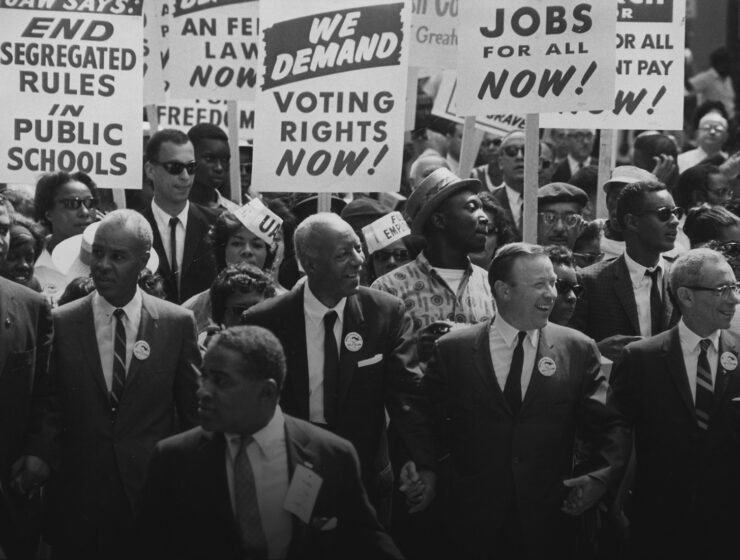
The history of civil rights activism is punctuated by numerous significant moments and movements that have shaped its trajectory. One of the most pivotal movements in modern history was the Civil Rights Movement of the mid-20th century in the United States. Spearheaded by figures such as Martin Luther King Jr., Rosa Parks, and Malcolm X, this movement aimed to dismantle the institutionalized racial segregation and discrimination that African Americans faced, particularly in the southern states. Key events like the Montgomery Bus Boycott, the March on Washington, and the Selma to Montgomery marches profoundly impacted legislation and public consciousness, leading to landmark laws such as the Civil Rights Act of 1964 and the Voting Rights Act of 1965.

Beyond the American context, civil rights activism has taken on global dimensions. For instance, the anti-apartheid movement in South Africa sought to end racial segregation and discrimination enforced by the apartheid regime. Figures like Nelson Mandela and organizations such as the African National Congress (ANC) played crucial roles in this struggle, ultimately resulting in the dismantling of apartheid and the establishment of a multiracial democracy in 1994.

In more recent times, movements such as Black Lives Matter have continued to address ongoing issues of racial injustice and police brutality. Meanwhile, advocacy for LGBTQ+ rights, gender equality, and the rights of indigenous peoples continues to expand the scope of civil rights activism. By evolving to address the dynamic landscape of inequality and discrimination, civil rights activism remains a vital force in striving for a just and inclusive society.

Early Civil Rights Movements

The dawn of civil rights movements globally marks a pivotal era in the quest for equality and justice. These early movements laid down the critical foundations for subsequent strides in civil rights across diverse societies. One of the foremost endeavors was the abolition of slavery, a campaign championed by trailblazers such as Frederick Douglass. Douglass, a former slave, transformed his personal experiences into a powerful narrative, advocating tirelessly for the emancipation and rights of enslaved individuals through speeches, writings, and political engagement.

Parallelly, the women’s suffrage movement emerged as a formidable force. Women like Susan B. Anthony and Sojourner Truth became prominent figures in advocating for women’s right to vote and broader gender equality. Anthony’s relentless activism, characterized by her participation in national suffrage organizations and public speaking tours, underscored the importance of enfranchisement. Truth’s eloquent orations, highlighted by her famous “Ain’t I a Woman?” speech, resonated deeply, emphasizing the intersectionality of gender and racial equality.

Additionally, early labor movements played an integral role in shaping civil rights advocacy. The Industrial Revolution brought about significant social and economic changes, prompting workers to organize for better working conditions, fair wages, and the establishment of labor rights. These early labor movements laid crucial groundwork for future labor rights advocacies and regulations, aiming to protect the dignity and rights of industrial workers.

The interplay of these movements signifies a broader struggle for civil rights, addressing multifaceted dimensions of social justice encompassing race, gender, and labor. Their successes and limitations provided valuable lessons and inspiration for later generations of activists, underscoring the necessity of persistent and inclusive advocacy for enduring change.

The Civil Rights Movement of the 1950s and 60s

The American Civil Rights Movement of the 1950s and 60s was a pivotal era in the fight for racial equality. The movement sought to dismantle systemic racial segregation and discrimination facing African Americans. One of the earliest major events was the Montgomery Bus Boycott, which began in December 1955. Sparked by Rosa Parks’ arrest for refusing to give up her seat to a white passenger, the boycott was led by Dr. Martin Luther King Jr. This 381-day mass protest resulted in the Supreme Court ruling that segregation on public buses was unconstitutional, marking a significant victory for civil rights activists.

Another landmark event was the March on Washington for Jobs and Freedom on August 28, 1963. Over 250,000 demonstrators gathered in Washington D.C. to advocate for civil and economic rights for African Americans. It was during this event that Dr. King delivered his iconic “I Have a Dream” speech, articulating a vision of racial harmony and equality. The march significantly influenced public opinion and increased momentum for legislative changes.

The culmination of these efforts was the enactment of the Civil Rights Act of 1964. This landmark legislation outlawed discrimination based on race, color, religion, sex, or national origin. It also ended segregation in public places and banned employment discrimination, marking a watershed moment in the civil rights struggle.

Key figures such as Dr. Martin Luther King Jr., Rosa Parks, and Malcolm X had profound impacts on the movement, albeit through differing approaches. Dr. King advocated for nonviolent resistance, inspired by Mahatma Gandhi’s principles. In contrast, Malcolm X, a prominent figure in the Nation of Islam, originally promoted black nationalism and self-defense, later shifting towards a more inclusive approach after his pilgrimage to Mecca. Rosa Parks’ courageous defiance and steadfast demeanor earned her the title “mother of the civil rights movement.” Each of these leaders, through their distinct methods, played crucial roles in challenging and transforming the socio-political landscape of America.

International Civil Rights Struggles

The quest for civil rights has been a global phenomenon, seen across various countries and time periods. One of the most notable international civil rights movements was the anti-apartheid struggle in South Africa, spearheaded by Nelson Mandela. This movement revolved around dismantling the systemic racial segregation and domination by the white minority. Unlike the American Civil Rights Movement, which prominently featured nonviolent resistance efforts such as sit-ins and marches, the anti-apartheid effort involved both peaceful protests and armed resistance, culminating in Mandela’s long imprisonment and eventual release, signaling a historic victory for racial equality.

In contrast, the struggle against British colonial rule in India, largely led by Mahatma Gandhi, was highlighted by its unwavering commitment to nonviolence or “Satyagraha.” Gandhi mobilized mass civil disobedience campaigns, notably the Salt March, and effectively used nonviolent civil resistance to challenge and eventually dismantle British colonial governance. Similar to the American Civil Rights Movement, the Indian independence struggle demonstrated the transformative power of peaceful protest but was distinct in its context of colonial rule rather than racial segregation.

Other notable international civil rights movements include the anti-colonial strife in Algeria, the fight against dictatorship in Chile, and movements within the burgeoning democracies of Eastern Europe during the 1980s. Algerian revolutionaries, led by the National Liberation Front, engaged in a brutal conflict with French forces, differing markedly in tactics compared to the civil disobedience seen in the American context. The Chilean opposition utilized a blend of peaceful protests, strikes, and political activism against Augusto Pinochet’s regime, focusing on democratization rather than purely racial or colonial liberation.

Though diverse in their contexts and methodologies, these international civil rights movements share common themes of resistance against oppression, striving for equality and justice. Each movement, be it India’s push for independence or South Africa’s anti-apartheid struggle, has contributed significantly to the global understanding and implementation of civil rights, offering valuable lessons in the continuous fight for human dignity.

Methods and Tactics of Civil Rights Activism

Civil rights activism has employed a variety of methods and tactics to fight for equality and justice. Among the most effective and widely recognized methods is nonviolent protest. Inspired by Mahatma Gandhi’s principles, figures like Martin Luther King Jr. adopted nonviolent resistance, which includes peaceful marches, sit-ins, and boycotts. The Montgomery Bus Boycott (1955-56) and the March on Washington (1963) stand as monumental examples of nonviolent protest garnering national attention and legislative change.

Another key tactic in the arsenal of civil rights activists has been civil disobedience. This involves the deliberate and public refusal to obey unjust laws. One historic instance is the sit-in movement of the 1960s, whereby African American students would occupy seats at segregated lunch counters. Their persistence and principled stance challenged the status quo, leading to desegregation in various facilities.

Legal challenges have also been a cornerstone of civil rights activism. Organizations like the NAACP (National Association for the Advancement of Colored People) used lawsuits to fight discriminatory laws. A landmark case is Brown v. Board of Education (1954), wherein the U.S. Supreme Court ruled that racial segregation in public schools was unconstitutional. This ruling was a turning point, setting the stage for additional reforms.

Grassroots organizing has played an essential role as well. Local leaders and community members have come together to create networks of support and mobilization. The Freedom Summer campaign of 1964 demonstrated the power of grassroots efforts, as thousands of volunteers worked to register African American voters in Mississippi, significantly enhancing political participation and representation.

Influential writings and speeches have inspired and directed movements. Martin Luther King Jr.’s “Letter from Birmingham Jail” eloquently defended civil disobedience and criticized complacency in the face of injustice, while his “I Have a Dream” speech remains a galvanizing call for equality. Similarly, works like James Baldwin’s “The Fire Next Time” highlighted the urgency of confronting racial inequities.

Major Legislation and Legal Milestones

Civil rights activism has continuously shaped the legal and societal landscape through groundbreaking legislation and monumental Supreme Court decisions. One of the most significant victories was the 1954 case of Brown v. Board of Education, wherein the Supreme Court declared state laws establishing separate public schools for Black and white students to be unconstitutional. This landmark decision effectively overturned the previous precedent set by Plessy v. Ferguson and marked a pivotal step towards desegregation.

Another cornerstone in the canon of civil rights legislation is the Voting Rights Act of 1965. This act sought to eliminate racial discrimination in voting by banning practices such as literacy tests and poll taxes, which were widely used in Southern states to disenfranchise African American voters. By enabling greater political participation, this legislation significantly altered the political landscape and empowered minority communities.

Title IX of the Education Amendments Act of 1972 represents another profound legal milestone. This law prohibits gender discrimination in any education program or activity receiving federal financial assistance. Title IX has been instrumental in expanding opportunities for women, particularly in the realm of athletics, and has contributed to broader societal shifts towards gender equality.

Each of these legislative and judicial milestones has had far-reaching effects on society and the legal framework within the United States. Brown v. Board of Education catalyzed the Civil Rights Movement, inspiring further activism and legislative efforts. The Voting Rights Act reinforced democratic principles by ensuring more inclusive voter participation. Meanwhile, Title IX has fostered a more equitable landscape in education and sports, promoting gender parity.

These legal achievements underscore the transformative power of civil rights activism in advancing equality and justice. By dismantling institutionalized discrimination, they have collectively paved the way for a more inclusive and equitable society.

The Continuing Fight for Civil Rights

The quest for civil rights remains an enduring struggle, presenting a multitude of contemporary challenges. Issues such as voting rights, police brutality, LGBTQ+ rights, and immigrant rights lie at the heart of today’s civil rights activism, echoing the efforts of past generations but evolving to meet modern societal demands.

One of the most pressing issues is the battle for voting rights. Efforts to restrict access to the ballot box have manifested in various forms, from stringent voter identification laws to the reduction of early voting periods. These measures disproportionately affect minority communities, drawing parallels with historical voter suppression tactics. Activists continue to fight for legislation to safeguard and expand voting rights, reminiscent of the pivotal battles fought during the Civil Rights Movement of the 1960s.

Police brutality remains a critical concern, particularly within Black and other marginalized communities. The deaths of individuals like George Floyd and Breonna Taylor have sparked nationwide protests and led to a resurgent call for police reform. Movements such as Black Lives Matter have gained prominence, advocating for systemic changes to address racial injustice. Their approaches are deeply influenced by the legacy of civil rights leaders like Martin Luther King Jr. and Malcolm X, who also fought against institutionalized racism and inequality.

Similarly, the fight for LGBTQ+ rights continues to be a significant area of activism. Landmark achievements, such as the legalization of same-sex marriage, have been met with ongoing resistance in various forms, including discriminatory laws and social stigmatization. Organizations and activists work tirelessly to promote equality and safeguard the rights of the LGBTQ+ community, drawing inspiration from the broadly inclusive vision of earlier civil rights advocates.

Immigrant rights also remain a critical frontier in the civil rights struggle. The debates surrounding immigration policy, particularly those targeting asylum seekers and undocumented individuals, highlight the intersection of race, legality, and human rights. Activists aim to forge a more inclusive society that recognizes the contributions and rights of immigrants, continuing the tradition of advocacy for marginalized groups.

In addressing these modern civil rights issues, contemporary movements take cues from historical struggles, embracing both nonviolent protest and legal strategies to effect change. The enduring impact of past civil rights activism provides a foundation upon which today’s advocates build, demonstrating that the fight for equality and justice is far from over.

The Impact of Civil Rights Activism on Society

Civil rights activism has profoundly shaped modern society, driving significant advancements in equality and justice. The crusades for civil rights have catalyzed monumental changes, leading to the dismantling of institutionalized segregation and discrimination. Landmark legislations, such as the Civil Rights Act of 1964 and the Voting Rights Act of 1965, embody the transformative power of this activism. Today, we witness a more inclusive society where individuals, regardless of race, gender, or sexual orientation, have greater access to opportunities and protections under the law.

However, the journey towards equity is far from complete. While substantial progress has been made, systemic inequalities and injustices persist in various forms. Economic disparities, racial profiling, and unequal access to quality education remain prominent issues that demand continuous attention and action. The ongoing struggle for racial justice and the resurgence of movements like Black Lives Matter underscore the pressing need to address these entrenched problems.

Civil rights activism has also had a profound personal impact on individuals. Consider the stories of people like Ruby Bridges, whose brave act of desegregating an all-white school as a child paved the way for countless others, or John Lewis, whose lifelong dedication to the fight for civil rights inspired generations. Their lives, and many others, have been irrevocably altered by activism, illustrating the personal stakes that underpin this broader societal cause.

The importance of continuing to advocate for equal rights and justice cannot be overstated. Civil rights activism serves as a vital force in the ongoing quest for a just society. It reminds us that progress, no matter how significant, is always a work in progress. By honoring past achievements and confronting current challenges, society can strive toward a future where equality and justice are not just ideals, but lived realities for all.

Introduction to Ethics in Journalism Navigating Truth and Bias

Journalism ethics represent the set of guidelines and principles journalists adhere to in order to maintain credibility, trust, and integrity in their reporting. These ethical standards are crucial for ensuring the accuracy and fairness of the information disseminated to the public, thus upholding the critical role that media plays in society. The foundation of journalism ethics is grounded in the responsibility of journalists to provide the public with truthful and unbiased information, fostering an informed citizenry.

Historically, journalism has faced numerous challenges related to ethics. One of the most notable instances was the Watergate scandal in the 1970s, which underscored the importance of investigative journalism while highlighting the necessity for ethical standards in uncovering the truth. Through such historical moments, ethical journalism has proven its capacity to not only inform the public but also instigate significant societal changes.

A central element of journalism ethics is truthfulness. Journalists are obligated to ensure that the information they present is accurate and verified from reliable sources. Misreporting or the propagation of false information can severely damage public trust and the integrity of the journalistic profession. Besides truthfulness, accuracy is paramount; it entails the diligent verification of facts and the proper representation of context to prevent misleading the audience.

Another core principle, fairness, requires journalists to present information impartially and without bias. This entails giving all relevant parties an opportunity to present their perspectives and avoiding any form of manipulation that could mislead or sway public opinion unjustly. Fair reporting ensures that the audience has a comprehensive understanding of the issues at hand, enhancing informed decision-making.

These principles of truthfulness, accuracy, and fairness form the bedrock of journalism ethics. By adhering to these guidelines, journalists can navigate the complex landscape of media reporting while maintaining their role as trusted conveyors of information. The continual commitment to these ethical standards is what sustains the credibility and trust that the public places in journalism, underscoring its indispensable function in democratic societies.

The Fundamental Values of Ethical Journalism

The guiding principles of ethical journalism are rooted deeply in fundamental values that serve as a compass for journalistic integrity. Central among these values are accuracy, independence, impartiality, humanity, and accountability. Together, they shape the landscape of responsible journalism, ensuring that the public receives truthful and unbiased information.

Accuracy stands as the cornerstone of ethical journalism. It mandates that journalists verify their facts before dissemination, thus safeguarding the authenticity of the information shared. For instance, the inaccurate initial reports following the Boston Marathon bombing led to widespread misinformation, highlighting the critical need for accuracy in reporting to avoid public confusion and panic.

Independence is equally vital to maintaining journalistic integrity. Journalists must resist external pressures from governments, corporations, or other entities that might seek to influence the news. The case of Edward Snowden’s revelations about the NSA is a pertinent example, where journalists maintained their independence to publish critical information despite significant governmental pressure. This impartial stance fosters public confidence in the media as a reliable source of unbiased information.

Impartiality requires journalists to present all sides of a story fairly, without favoritism or prejudice. Impartiality was tested during the 2020 U.S. presidential elections, where media outlets were scrutinized for perceived biases. Maintaining a balanced perspective helped esteemed publications uphold their reputations, demonstrating the importance of this value in journalism.

Humanity demands that journalists consider the impact of their reporting on individuals and communities. This principle ensures that the pursuit of a story does not inflict harm. For instance, responsible coverage of sensitive events, such as school shootings, reflects humanity by balancing the need for public information with respect for victims’ dignity and privacy.

Accountability involves owning up to mistakes and correcting them transparently. This principle builds trust with the audience by showing a commitment to truth and improvement. The New York Times’ retraction of an inaccurate article about an explosive device exemplifies accountability, as the publication promptly corrected the record and maintained public trust.

In conclusion, these core values of ethical journalism—accuracy, independence, impartiality, humanity, and accountability—act as essential pillars that support the role of journalists in a democratic society. Upholding these values ensures that journalism remains a trusted and respected institution committed to informing the public truthfully and ethically.

Understanding and Identifying Bias in Reporting

Bias in journalism can manifest in numerous forms, influencing the objectivity of news reporting. Political bias, one of the most prevalent types, occurs when news coverage favors a particular ideology or political party. This can be seen in the selective sourcing of quotes or in the framing of issues in ways that align with specific political agendas. For instance, coverage that predominantly features perspectives from one side of the political spectrum, while ignoring the other, demonstrates clear political bias.

Corporate bias is another significant concern. This type of bias arises when news outlets prioritize stories that align with the interests or preferences of their corporate owners, sponsors, or advertisers. It often results in downplaying or omitting information that could potentially harm the business interests of these stakeholders. For example, a media company owned by a larger corporation might minimize negative coverage of that corporation’s actions to avoid any conflict of interest.

Cultural bias also plays a critical role in shaping news content. This form of bias reflects the cultural norms and stereotypes prevalent in a society, potentially marginalizing minority viewpoints and diverse perspectives. Journalists may unconsciously project their cultural perspectives into their reporting, leading to skewed portrayals of certain groups or issues. An example of cultural bias might be the emphasis on Western cultural norms while underreporting or misrepresenting those from other traditions and backgrounds.

To identify and mitigate bias, both journalists and readers need to be vigilant. Journalists can adhere to rigorous editorial standards, seek diverse sources, and engage in continuous self-reflection regarding their own biases. Readers, on the other hand, should consume news from a variety of sources, analyze the language and framing used, and look for omission of viewpoints. Awareness and education are crucial in recognizing the subtleties of biased reporting, which in turn promotes more balanced and truthful journalism.

Balancing Objectivity and Subjectivity

In the realm of journalism, balancing objectivity and subjectivity presents a significant challenge. The cornerstone of journalistic ethics is to deliver information that is fair, accurate, and free from bias. Despite this, achieving complete impartiality remains a formidable task due to the inherent human tendency to interpret events and issues through subjective lenses.

Objectivity in journalism necessitates presenting facts without the contamination of personal opinions or prejudices. This approach is fundamental in fostering public trust and ensuring that readers, listeners, or viewers receive information that they can rely on to form their own opinions. However, the complexity and nuances of real-world events often make absolute objectivity elusive. Acknowledging this, journalists are encouraged to strive for fairness and balance in their reporting, providing a platform for multiple viewpoints and allowing audience members to engage in informed debate.

One vital aspect of upholding objectivity involves recognizing and mitigating one’s own biases. Journalists, like all individuals, bring their own experiences, backgrounds, and beliefs into their work, which can subtly influence how stories are told. By being mindful of these biases and actively seeking to counteract them, journalists can better serve the principles of fairness and accuracy.

Emphasizing transparency, journalists can disclose their potential biases or conflicts of interest to readers. This honesty enhances credibility and demonstrates a commitment to ethical standards. Additionally, incorporating diverse viewpoints and sourcing reliable data are crucial methodologies. By presenting a balanced spectrum of perspectives, journalists can effectively navigate the delicate interplay between objectivity and subjectivity.

In conclusion, while the perfect equilibrium between objectivity and subjectivity may be unattainable, the conscientious effort to achieve it underscores the journalist’s role as a purveyor of truth. A balanced, well-rounded approach, grounded in ethical practices, not only enriches the quality of journalism but also strengthens the public’s trust in the media.

The Role of Journalistic Integrity in Society

Journalistic integrity is fundamental to the health of an informed and democratic society. It embodies the principles of truth, accuracy, and ethical responsibility, essential for maintaining public trust. By committing to these principles, journalism serves as a watchdog for democracy, holding those in power accountable and ensuring that citizens are well-informed about events that shape their lives.

Integrity in journalism means prioritizing factual reporting over sensationalism, striving for objectivity, and balancing the need for speed with the necessity of accuracy. When journalists adhere to these standards, they provide the public with reliable information, fostering an environment where informed citizens can make educated decisions. This informed citizenry is the bedrock of democracy, as it enables public debate, participation, and scrutiny of government actions.

Numerous cases throughout history exemplify the importance of journalistic integrity. The Watergate scandal, uncovered by Washington Post reporters Bob Woodward and Carl Bernstein, showcased how investigative journalism can bring about significant political and social change. Their commitment to uncovering the truth, despite immense pressure, ultimately led to President Nixon’s resignation and resulted in a robust reaffirmation of the role of the press in ensuring governmental transparency and accountability.

Conversely, breaches of journalistic integrity can have dire consequences. For example, the dissemination of misinformation during the early stages of the COVID-19 pandemic led to widespread public confusion and mistrust in media sources. This erosion of trust underscores the critical need for journalists to uphold ethical standards and provide accurate information, especially during times of crisis.

In conclusion, journalistic integrity is pivotal in promoting a well-informed, democratic society. By adhering to ethical principles, journalists not only safeguard public trust but also empower citizens to engage in constructive discourse and participate actively in democratic processes. Through their commitment to truth and transparency, they play an indispensable role in shaping a society that values honesty and accountability.

Ethical Dilemmas and Decision-Making

Journalists regularly encounter ethical dilemmas that require careful deliberation and sound judgment. One such dilemma is the conflict of interest. It arises when a journalist’s personal, financial, or professional relationships potentially compromise their objectivity. For instance, reporting on a company in which the journalist has a financial stake can lead to biased coverage. To navigate this, news organizations often mandate disclosures or reassign reporting duties to avoid any appearance of partiality.

Another complex issue is the use of anonymous sources. While these sources can provide critical information that might not be accessible otherwise, they also pose challenges related to credibility and accountability. Journalists must evaluate the credibility of the anonymous source and weigh the potential risks against the public’s need to know. Guidelines such as the Society of Professional Journalists’ Code of Ethics suggest that anonymity should be granted sparingly and only when the information is vital and unobtainable through any other means.

Balancing public interest and privacy is yet another common ethical dilemma in journalism. On one hand, journalists have a duty to inform the public about matters of significant concern. On the other hand, they must respect individuals’ rights to privacy. For example, reporting on a public figure’s health might be justified if it impacts their ability to perform their duties, but similar coverage of a private individual could be seen as an invasion of privacy. In such situations, factors like the individual’s role in society, the potential harm of disclosure, and the relevance of the information to public welfare need to be carefully weighed.

Frameworks such as utilitarianism, which focuses on the greatest good for the greatest number, and deontological ethics, which emphasizes duty and principles, can guide journalists through these challenging decisions. Real-life case studies, like the exposure of political scandals or whistleblower reports, illustrate how journalists apply these ethical frameworks to make informed decisions while maintaining their integrity and public trust.

Impact of Technology on Journalism Ethics

The advent of technology has dramatically reshaped the landscape of journalism, presenting both opportunities and challenges. The rapid dissemination of information through digital platforms has revolutionized the way news is delivered and consumed. However, this swift transmission raises significant concerns regarding the accuracy and reliability of information. The instant nature of digital media often prioritizes speed over verification, leading to the proliferation of misinformation and fake news.

Social media plays a pivotal role in this transformation. Platforms like Twitter, Facebook, and Instagram serve as primary sources for news consumption, enabling vast circulation of information at unprecedented speeds. This democratization of news dissemination allows almost anyone to become a content creator, diluting the line between professional journalism and amateur reporting. Consequently, ethical standards are continually tested as the pressure to break news swiftly continues to rise.

A key ethical challenge brought about by technological advancements is the spread of fake news. False information can quickly gain traction and be accepted as truth, undermining public trust in journalism. In this context, journalists face the daunting task of distinguishing fact from fiction while maintaining journalistic integrity. This necessitates a rigorous commitment to fact-checking, sourcing, and corroborating information before publication.

In response to these challenges, new ethical standards have emerged in the digital age. Transparency and accountability are paramount, with journalists expected to disclose their methodologies and sources more openly. There is a growing emphasis on the importance of media literacy both for producers and consumers of news, to foster a more discerning and informed audience. Ethical frameworks now also cover the responsible use of user-generated content, protecting the rights and privacy of individuals who contribute to news stories online.

Adhering to these contemporary ethical standards requires ongoing adaptation and vigilance. Journalists must continuously update their skills and knowledge to navigate the evolving technological landscape. By embracing these new practices and maintaining a steadfast commitment to truth, the journalism profession can uphold its ethical responsibilities in the digital era.

Conclusion: Upholding Ethical Standards in Modern Journalism

In navigating the complex landscape of contemporary media, the ethical responsibilities of journalists remain paramount. The challenges of maintaining impartiality, verifying facts, and presenting unbiased information are more critical than ever in a world deluged with misinformation and polarized opinions. Upholding ethical journalism is not just a professional obligation but a cornerstone of a functioning democracy, ensuring that the public can trust the information disseminated through various media channels.

Journalists have a duty to maintain integrity and truthfulness, recognizing that their work significantly impacts public opinion and social discourse. By adhering to stringent ethical standards, journalists can serve as guardians of truth, promoting transparency and accountability. Trustworthiness in journalism helps to rebuild and maintain a healthy relationship between the media and the public, which is essential for an informed and engaged society.

The role of the public in supporting ethical media practices cannot be understated. A discerning audience that demands accuracy and fairness compels media organizations to elevate their standards. As consumers of news, the public must also be educated about media literacy to critically evaluate the information they receive, distinguishing between credible reporting and biased narratives.

To uphold ethical standards, journalists and media organizations should implement comprehensive editorial policies that emphasize the accuracy of information, accountability for errors, and the segregation of news from opinions. Continuous professional development, ethical training, and adherence to established codes of conduct will further fortify the integrity of journalism. Additionally, fostering a culture of openness and encouraging whistleblowing within media institutions can serve as internal checks against unethical behavior.

By collectively embracing these principles, journalists and media organizations can navigate the complexities of modern media ethics, ensuring that their work continues to serve the public interest with honesty and transparency, thereby maintaining the indispensable role of journalism in society.