Category

Decor

Category

Introduction to Sustainable Decor

Sustainable decor transcends beyond aesthetic appeal; it is an environmental imperative melding beauty with responsibility. Sustainable decor refers to choosing home design elements that minimize harm to the environment. This spans from the use of reclaimed materials, eco-friendly fabrics, to energy-efficient lighting and beyond. The significance of sustainability in home design is profound, as household choices contribute greatly to environmental degradation or conservation.

Opting for eco-friendly decor can significantly reduce your carbon footprint and foster a healthier living environment. For instance, traditional home decor often involves materials and processes that emit high volumes of greenhouse gases. According to a 2019 report by the United Nations, buildings and their interiors contribute nearly 40% of global carbon dioxide emissions. By incorporating sustainable options, you are directly impacting this figure, helping mitigate climate change.

Moreover, sustainable decor often involves repurposed or upcycled items, which curtail the demand for new resources and reduce waste. It is estimated that 9 million tons of furniture end up in U.S. landfills annually. By making mindful, sustainable choices, we can divert a considerable amount of waste from landfills and conserve natural resources.

The ripple effect of these choices extends beyond personal benefits, contributing to a larger, significant shift toward environmental stewardship. Sustainable decor promotes a culture of mindfulness and intentional living, aligning household choices with broader ecological priorities. In the current context of environmental urgency, adopting sustainable decor is not just a trend, but an essential lifestyle adaptation that nurtures both the planet and our well-being.

Selecting Sustainable Materials

In the realm of sustainable home decor, material selection plays a pivotal role in both environmental impact and design integrity. A foremost choice among eco-friendly materials is reclaimed wood. This material not only avoids deforestation but also exudes a rich, time-worn aesthetic that is difficult to replicate. Reclaimed wood can be used in a variety of home decor items such as furniture, flooring, and wall paneling, enhancing both the sustainability and character of any space.

Equally noteworthy is bamboo, a rapidly renewable resource that grows far faster than traditional hardwoods. Bamboo’s inherent strength and resistance to moisture make it an excellent option for flooring, cabinetry, and even furniture. Its light color and minimalist grain lend a modern, clean look that can easily blend with various interior design styles.

For textiles, organic cotton stands out. Free from harmful pesticides and synthetic fertilizers, organic cotton is both softer and more sustainable compared to its conventional counterpart. This makes it ideal for use in items such as curtains, throw pillows, and upholstery, contributing to a toxin-free living environment. Additionally, organic cotton often comes in a variety of colors and patterns, allowing for diverse aesthetic choices.

Last but not least, recycled metal offers a robust and versatile material choice without the environmental cost of new metal production. By repurposing metals such as aluminum, steel, and copper, one can achieve a range of decor items from lighting fixtures and hardware to sculpture and wall art. Recycled metal offers a sleek, industrial look while significantly reducing resource extraction and waste.

These materials not only support a sustainable lifestyle but also provide durable and stylish options for home decor. Their diverse applications ensure that whether you’re designing a rustic, modern, or eclectic space, there are eco-friendly choices available that do not compromise on aesthetic appeal.

Eco-Friendly Furniture Choices

When it comes to transforming your home decor into a more sustainable space, selecting eco-friendly furniture is key. Opting for furniture crafted from recycled or upcycled materials is an excellent start. Pieces made from reclaimed wood, repurposed metal, or recycled plastics provide sustainable alternatives without sacrificing style or durability. These options not only reduce waste but also add unique character to your living spaces. Look for furniture companies that emphasize a circular economy by incorporating old materials into new designs.

Another vital consideration is sourcing furniture from companies committed to sustainable practices. Brands that ethically source their materials, such as wood from well-managed forests, contribute to environmental conservation. The Forest Stewardship Council (FSC) certification is a crucial benchmark indicating that the wood used comes from responsibly managed forests that provide environmental, social, and economic benefits. Seeking this certification can ensure you are supporting responsible forestry and reducing deforestation impacts.

Additionally, the use of non-toxic materials is essential for a truly eco-friendly home. GREENGUARD certification is one effective way to identify products that contribute to healthier indoor air by meeting strict chemical emissions limits. Furniture with this certification is verified to have low emissions of formaldehyde and other volatile organic compounds (VOCs), making it safer for your home environment.

When purchasing sustainable furniture, several tips can help you make the best choices. Firstly, research the company’s environmental policies and ethical standards. Look for transparency in their production processes and material sourcing. Secondly, emphasize durability and timeless design to avoid frequent replacements, thereby reducing overall environmental impact. Thirdly, consider multifunctional or modular furniture that can adapt to different needs over time, maximizing its usability and lifespan.

By making informed decisions and prioritizing eco-friendly furniture, you can create a stylish and sustainable living space that aligns with your environmental values. The key is to blend sustainability with functionality, ensuring that every furniture piece serves both a practical and ecological purpose, enhancing the overall quality and sustainability of your home environment.

Sustainable Textiles for Your Home

Sustainable textiles have become an integral part of eco-friendly home decor, offering not only aesthetic appeal but also significant environmental benefits. The materials used in sustainable textiles, such as organic cotton, hemp, linen, and recycled fabrics, are produced and processed with considerably less environmental impact compared to conventional textiles.

Organic cotton, for instance, is cultivated without the use of harmful pesticides or synthetic fertilizers, making it a safer choice for both the planet and your home. Hemp, known for its durability and resistance to mold, grows quickly with minimal water, offering a robust textile option. Linen, derived from the flax plant, is another sustainable choice that is biodegradable and requires little water and no pesticides. Additionally, recycled fabrics, made from repurposed materials, significantly reduce waste and the need for virgin resources.

These sustainable textiles can be seamlessly integrated into various aspects of home decor. For example, organic cotton and linen make excellent choices for bed linens and cushions, providing comfort and sustainability. Hemp textiles are ideal for creating durable and eco-friendly curtains and upholstery. Recycled fabrics can be creatively used in throws, rugs, and wall hangings, adding unique and environmentally conscious touches to your decor.

An essential aspect of sustainable textiles is the avoidance of toxic dyes and chemicals. Traditional textile production often involves harmful substances that can negatively impact indoor air quality and pose health risks. By opting for textiles dyed with non-toxic, natural dyes, you ensure a healthier home environment. Look for certifications such as GOTS (Global Organic Textile Standard) and OEKO-TEX Standard 100, which verify the absence of harmful chemicals.

Sourcing sustainable textiles has become increasingly accessible thanks to a growing number of eco-conscious brands and retailers. Dedicated companies offer a broad range of sustainably produced textiles, making it easier to find products that align with both your aesthetic preferences and environmental values. By choosing sustainable textiles, you not only enhance your home’s decor but also contribute to a healthier planet.

Green Lighting Solutions

When contemplating sustainable home decor, green lighting solutions play a pivotal role. These eco-friendly options help minimize energy consumption and reduce carbon footprints, contributing to a more sustainable lifestyle. Among the most effective solutions are LED lighting, solar-powered lights, and energy-efficient bulbs.

LED lighting stands at the forefront of energy-efficient choices. Consuming up to 75% less energy compared to traditional incandescent bulbs, LEDs also have a significantly longer lifespan. This longevity results in fewer replacements, thereby reducing waste. Additionally, LEDs come in a variety of styles and brightness levels, making them a versatile option suitable for any room in your home.

Solar-powered lights offer another excellent green lighting solution, particularly for outdoor spaces. By harnessing the sun’s natural energy, these lights eliminate the need for electricity altogether. Whether you are illuminating a garden pathway or enhancing your patio, solar lighting fixtures are both functional and environmentally friendly. Many modern designs are aesthetically pleasing and offer advanced features like motion sensors and automatic timers.

Energy-efficient bulbs, such as compact fluorescent lamps (CFLs), are another viable option for reducing energy use. CFLs use about 70% less energy than incandescent bulbs and can last up to ten times longer. While LEDs and CFLs are different technologies, they share the same goal of energy efficiency and sustainability.

When selecting eco-friendly lighting fixtures, it’s imperative to consider not only the energy consumption but also the ambiance they create. For instance, placing dimmable LED lights in living rooms and bedrooms can aid in creating a relaxing atmosphere. In kitchens and workspaces, brighter, more focused lighting can improve functionality. For outdoor areas, positioning solar lights along walkways or using them to highlight landscape features can enhance both safety and aesthetic appeal.

By adopting these green lighting solutions, homeowners can enjoy both aesthetic and environmental benefits. The combined impact of LED lighting, solar-powered lights, and energy-efficient bulbs significantly contributes to sustainable home decor, making a positive difference for the planet.

Sustainable Wall Decor and Artwork

Choosing sustainable wall decor and artwork can significantly reduce the environmental impact of your home decor. One prominent option is to select paintings made with non-toxic or natural paints. These paints are free from harmful chemicals and volatile organic compounds (VOCs), promoting safer indoor air quality. Additionally, artists and manufacturers who prioritize natural paints often implement environmentally friendly practices overall, making this choice doubly beneficial for eco-conscious consumers.

Frames are another aspect of wall decor where sustainable choices can make a difference. Frames made from recycled or reclaimed materials, such as wood, metal, or even plastic, offer a responsible alternative to new, resource-intensive frames. Reclaimed wood is particularly popular due to its rustic aesthetic and lower carbon footprint. By opting for these eco-friendly materials, you help to divert waste from landfills and reduce the demand for virgin resources.

Supporting sustainable or local artists is also a crucial step in promoting eco-friendly decor. Artists who prioritize sustainability often use environmentally considerate materials and methods. Additionally, purchasing from local artists reduces the carbon emissions associated with transportation and supports the local economy. Local art often carries cultural significance and personal connections that mass-produced items cannot provide, making it a more meaningful addition to your home.

The impact of mass-produced decor on the environment is profound. Mass production typically relies on high volumes of synthetic materials and energy-intensive processes, contributing to pollution and resource depletion. Moreover, mass-produced items are often designed for short-term use, leading to increased waste in landfills. By choosing sustainably produced wall art, you not only minimize these environmental impacts but also invest in higher-quality, longer-lasting pieces.

Incorporating sustainable wall decor and artwork into your home is a practical and impactful way to support the environment while enhancing the aesthetic appeal of your space. From non-toxic paints and recycled frames to supporting local artists, sustainable choices offer numerous benefits, establishing a harmonious balance between beauty and responsibility.

DIY Eco-Friendly Decor Projects

Embracing DIY eco-friendly decor projects is a fantastic way to enhance your home while contributing to sustainability. By repurposing old furniture, creating art from discarded items, and utilizing natural materials, you can craft unique pieces that showcase your creativity and commitment to the environment.

One popular project is repurposing old furniture. Rather than discarding an outdated piece, consider giving it a new life with a fresh coat of eco-friendly paint or lacquer. Sand down any rough areas, apply your chosen finish, and maybe even add some new hardware for a completely transformed look. This not only keeps items out of landfills but also reduces the need for new resources.

Creating art from discarded items is another innovative approach. Gather materials like old magazines, bottle caps, or fabric scraps, and let your imagination run wild. You can create collages, mosaics, or textile art. For a more natural feel, stones and twigs can be arranged into stunning wall hangings or centerpieces. These projects often require basic tools like glue, scissors, and a bit of creativity.

For those inclined towards a more rustic aesthetic, consider using natural materials. Stones, twigs, and even dried flowers can be the building blocks of beautiful decor items. A simple yet elegant project involves assembling twigs into a bespoke picture frame or constructing a cairn centerpiece with smooth stones. Such items not only add charm but also bring a touch of nature indoors.

Incorporate these DIY projects into your decor to enjoy the dual benefits of creativity and environmental consciousness. Adopting sustainable decor practices not only enhances the beauty of your home but also fosters a greater appreciation for the resources we have around us. All you need are some basic tools, readily available materials, and a spark of creativity to embark on making your living space both stylish and eco-friendly.

Maintaining and Caring for Sustainable Decor

Proper maintenance is crucial to prolong the life of sustainable decor items and ensure they remain an enduring part of your home environment. By taking thoughtful care of these pieces, not only do you enhance their longevity, but you also uphold the principles of sustainability by reducing waste. Periodic upkeep and mindful repair can significantly extend the usability of your decor, aligning with eco-friendly living.

To maintain your sustainable decor, it is essential to use natural cleaners whenever possible. Chemical-based cleaning agents can be harmful to both the environment and the materials of your decor. Instead, opt for natural alternatives such as vinegar, baking soda, and essential oils. These ingredients are effective and safe for a variety of surfaces, including wood, glass, and fabric. Regular dusting with a microfiber cloth can also help keep the items clean and free from build-up without the need for harsh chemicals.

In addition to routine cleaning, periodic repairs play a vital role in maintaining sustainable decor. Inspect items regularly for any signs of wear and tear. Simple fixes, such as tightening loose screws, re-staining wooden surfaces, or mending small tears in fabric, can prevent more significant damage and prolong the life of your decor. Investing time in these small repairs can go a long way in maintaining both the aesthetic appeal and functionality of your pieces.

Another aspect of mindful care is avoiding overexposure to elements that can deteriorate your decor. Sunlight, moisture, and extreme temperature variations can negatively affect materials. Position items in areas where they will not be subjected to these harmful conditions. For instance, placing wooden decor away from direct sunlight helps prevent cracking and fading, while ensuring fabrics are kept in dry areas can ward off mold and mildew growth.

By integrating these eco-friendly maintenance practices, you can significantly extend the life of your sustainable decor. This not only helps retain the beauty and utility of your decor but also aligns with the broader environmental goal of minimizing waste. Taking proper care of your sustainable items ensures they remain a cherished part of your home for years to come.

Using Color to Transform Your Home: Expert Tips

Introduction to Color Psychology

Color psychology delves into how colors influence human emotions and behavior. It’s a field that merges psychological principles with design elements, emphasizing that colors do more than simply beautify spaces; they profoundly affect our mood, productivity, and overall well-being. When decorating a home, understanding the psychology behind each color becomes instrumental in creating spaces that not only look appealing but also contribute positively to the emotional and mental states of the inhabitants.

Colors possess the power to evoke specific feelings and reactions. For instance, blue hues are often associated with calmness and serenity, promoting a tranquil atmosphere that is ideal for bedrooms and meditation spaces. In contrast, vibrant reds and yellows can stimulate energy and excitement, making them suitable for areas like kitchens and playrooms where activity and vibrancy are desired. By leveraging the effects of color psychology, homeowners can design interiors that foster the right emotional responses for each room’s purpose.

Moreover, the impact of color is not limited to the realm of emotions. It extends to cognitive functions such as attention, memory, and productivity. For example, green, a color frequently linked with nature and renewal, can enhance concentration and ease eye strain, making it a great choice for home offices or study areas. Similarly, warm tones like orange and earth tones can create a welcoming and cozy ambiance, perfect for living rooms and social spaces where relaxation and connection are key.

Understanding color psychology is thus essential for anyone looking to transform their home. It involves more than just selecting hues that match one’s taste; it is about choosing colors that align with the desired ambiance and functionality of each space, ultimately achieving a harmonious balance between aesthetics and psychological well-being.

Identifying Your Color Palette

Selecting the right color palette for your home is a crucial step in transforming your space into a harmonious and aesthetically pleasing environment. Understanding how to identify a color palette that complements your existing furniture, the size of each room, natural light, and your personal preferences is essential.

Start by assessing your current furniture and decor. The colors of your existing pieces can serve as a foundation for your palette or act as focal points that draw the eye. For example, if you have a bold-colored couch or artwork, consider the surrounding wall color to either complement or contrast it in a balanced way.

The size of the room also greatly influences color choices. Smaller rooms benefit from lighter hues, which can make the space appear larger and more open. Conversely, larger rooms offer more flexibility and can handle darker, more saturated shades without feeling cramped.

Natural light is another critical factor. Rooms with ample sunlight can accommodate darker tones, as natural light keeps the space from feeling too enclosed. In contrast, rooms with limited natural light are better suited to lighter shades that reflect light, creating a more inviting and airy atmosphere.

Your personal preferences should not be overlooked in this process. Consider colors that evoke specific moods or have special significance to you. For instance, blues and greens often promote calm and relaxation, making them ideal for bedrooms or studies, whereas vibrant yellows and reds can energize a living room or kitchen.

Utilizing tools like color wheels and popular color selection apps can significantly simplify this process. Color wheels help you understand the relationships between different hues, while apps often provide visual simulations of how colors will look in your space. These resources can offer valuable insights and assist you in confidently making informed decisions.

By thoughtfully considering these elements—furniture, room size, natural light, and personal taste—you can effectively identify a color palette that enhances every aspect of your home.

Color Theory Basics

Color theory forms the foundation of creating visually appealing spaces in your home. At its core, color theory revolves around the color wheel, a circular diagram that illustrates the relationships between primary, secondary, and tertiary colors. Understanding these relationships helps in making thoughtful and cohesive color choices.

Primary colors are red, blue, and yellow. These colors cannot be created by mixing other colors together. Secondary colors result from mixing two primary colors; for example, mixing blue and yellow yields green. Tertiary colors emerge by combining a primary color with a neighboring secondary color on the color wheel, such as mixing blue with green to create blue-green.

Color harmony refers to aesthetically pleasing combinations of colors. One key concept is complementary color schemes, which pair colors directly opposite each other on the color wheel, like blue and orange. These pairings create high contrast and bring a vibrant, dynamic flair to spaces when used in moderation.

Analogous color schemes involve colors adjacent to each other on the color wheel, such as blue, blue-green, and green. This approach achieves a more subtle and cohesive look and can evoke a calm and serene atmosphere in your home. It is particularly effective in creating harmonious and soothing spaces, such as bedrooms or reading nooks.

Triadic color schemes use three colors evenly spaced around the color wheel, creating a balanced and vibrant palette. An example would be using red, yellow, and blue together. This method ensures that each color enhances the others, leading to dynamic yet balanced environments. When applied thoughtfully, triadic schemes can energize living rooms or home offices without overwhelming the senses.

Mastering the basics of color theory and understanding these color schemes allows you to transform your home effectively. By picking the right combinations, you can create spaces that not only reflect your personal style but also evoke the desired mood and ambiance.

Implementing Accent Colors

Selecting and implementing accent colors strategically can dramatically transform the aesthetic appeal of any room in your home. Accent colors serve as focal points and draw attention to specific areas or elements, creating a visually engaging environment. The key is to strike a balance between bold and subtle tones, aligning them harmoniously with the rest of your color scheme.

One effective way to use accent colors is by enhancing architectural features. For instance, consider painting a feature wall in a striking color that contrasts with the other walls in the room. This technique can make fireplaces, built-in bookshelves, or alcoves stand out, adding depth and dimension to the space. For a more subtle approach, you can highlight architectural details, such as moldings and trim, with a complementary or slightly darker shade of the room’s primary color.

Accent colors can also spotlight favorite pieces of furniture, transforming them into centerpiece attractions. A brightly colored sofa or an intricately patterned armchair can become the focal point of a living room. Similarly, a bold-colored headboard or bedding set can make a bedroom more inviting and vibrant. For a touch of elegance, complement these bold selections with neutral walls and accessories to maintain a balanced look.

Incorporating accent colors through decor items provides flexibility and creativity. Artwork is a perfect medium for introducing new hues into a space; a vibrant painting or photograph can be the splash of color that ties the room together. Similarly, decorative pillows, throw blankets, and rugs offer versatile and interchangeable options for adding bursts of color. These items are not only functional but also enhance the room’s visual interest and texture.

Don’t overlook smaller details when implementing accent colors. Items such as vases, lamps, and decorative objects can subtly reinforce your chosen palette. Even kitchen utensils and appliances can serve as delightful accent pieces, especially in a minimalist or neutral-colored kitchen. By thoughtfully incorporating accent colors into various elements of your home, you create a cohesive yet dynamic environment that reflects your personal style and enhances your living experience.

Colors for Different Rooms

Choosing the right colors for different rooms in your home can be transformative. The selection process should take into account the specific function of each room as well as the needs and preferences of its occupants. For instance, bedrooms are sanctuaries for rest and relaxation. Therefore, calming blues and greens are ideal choices. These cool tones encourage a peaceful atmosphere, conducive to restful sleep. Shades like sky blue and soft green not only promote tranquility but can also make a room feel more spacious.

In contrast, the kitchen is often the heart of the home, a space bustling with activity. Stimulating colors like yellows and oranges can invigorate this area. These warm hues add a sense of vitality and can enhance appetite, making them perfect for spaces where food is prepared and enjoyed. A sunny yellow or a rich tangerine can energize the room, making it feel welcoming and vibrant.

Living rooms are versatile spaces used for various activities, from entertaining guests to family gatherings. Therefore, tranquil neutrals are a popular choice. Colors such as beige, taupe, and greys provide a calming backdrop that fosters relaxation and conversation. These neutral tones offer flexibility, allowing you to accentuate the space with bold décor elements or seasonal accessories without overwhelming the room’s atmosphere.

When selecting colors for bathrooms, consider hues that promote cleanliness and freshness. Aqua blues, crisp whites, and soft greys can create a spa-like environment, perfect for unwinding after a long day. The function of each room significantly influences the color choice – while bedrooms and living areas benefit from calming palettes, kitchens and dining spaces thrive on stimulating tones. Ultimately, the goal is to use color to enhance the mood and functionality of each room, making your home a harmonious and welcoming space.

Trending Colors and Styles

Staying abreast of the latest color trends and styles is essential for anyone looking to transform their home. Current color trends have a dynamic, evolving nature, influenced by cultural shifts, technological advancements, and changing consumer preferences. Over recent years, there’s been a notable move towards both bold and subtle color palettes, each serving distinct purposes in home décor.

One of the most prominent trends making waves in home design is the use of deep, saturated hues like navy blue, forest green, and mustard yellow. These colors add a sophisticated touch to living spaces, creating a stately yet inviting atmosphere. Another popular trend is the resurgence of earthy tones, such as terracotta, olive green, and rich browns, which bring warmth and coziness, echoing a connection to nature.

Neutral colors also continue to dominate, yet with a contemporary twist. Shades like warm taupe, greige (a blend of gray and beige), and soft blush offer a versatile foundation that can be easily accented with bolder colors through accessories and furnishings. This adaptability makes them a favorite for both homeowners and interior designers alike.

Looking ahead, experts predict a stronger inclination towards biophilic design principles, where color palettes are inspired by natural elements. Expect to see more homes featuring hues drawn from seascapes and landscapes such as moss green, sky blue, and stone gray. These colors not only provide a visually appealing look but also promote a sense of tranquility and well-being.

Successful application of these trends can be seen in various interior design projects. For instance, a living room adorned with plush navy blue sofas against a backdrop of crisp white walls creates a striking contrast that exudes elegance. Another example can be seen in bedroom designs that utilize earthy tones, combined with organic materials like wood and rattan, to foster a restful retreat.

Incorporating trending colors and styles effectively can transform any home, making it not only aesthetically pleasing but also reflective of the latest in design trends. Whether opting for bold, nature-inspired hues or versatile neutrals, the key lies in understanding the balance and harmony each color brings into a space.

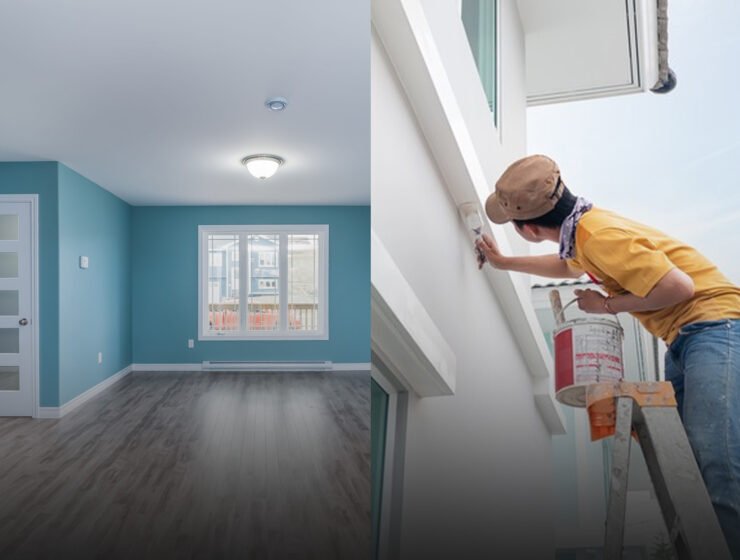
Practical Tips for DIY Painting

Embarking on a DIY painting project can be a rewarding way to transform your living space. However, achieving professional-looking results requires proper preparation, the right tools, and a systematic approach. Here are some practical tips to ensure your painting endeavor is both efficient and successful.

Preparation Steps: Begin by thoroughly cleaning the walls to eliminate dirt, dust, and grease, which can interfere with paint adhesion. Patch any holes or cracks with spackling paste, sand smooth, and prime these areas. Protect your floors and furniture with drop cloths and use painter’s tape to cover trim, windows, and outlets.

Choosing the Right Paint: The type of paint you select significantly influences the final outcome. For most interiors, water-based latex paint is an excellent choice due to its ease of application and cleaning. In high-moisture areas like bathrooms and kitchens, consider mildew-resistant formulations. Pay attention to the paint’s finish as well; flat, eggshell, satin, semi-gloss, and gloss finishes each serve different aesthetic and functional purposes.

Tools Required: Invest in quality brushes (angled for cutting in), rollers (appropriate nap for your wall texture), a roller tray, extension pole for hard-to-reach areas, and a paint edger for clean lines. A sturdy ladder is essential for high walls and ceilings.

Step-by-Step Painting Techniques: Start by “cutting in” the edges with a brush before using a roller. This involves painting a 2-3 inch border around the edges of the wall. Next, use a roller to fill in the larger areas with a “W” pattern to ensure even coverage and avoid streaks. Apply at least two coats, allowing sufficient drying time between each.

Common Pitfalls to Avoid: Do not rush the drying process; always follow the manufacturer’s recommended drying times. Ensure adequate ventilation to promote drying and reduce fumes. Avoid over-saturating your brush or roller with paint to prevent drips and uneven coating. Lastly, take breaks to step back and inspect your work from different angles and lighting conditions to catch and correct any inconsistencies.

By following these tips, even novice DIYers can achieve a polished, professional finish, significantly enhancing the ambiance and aesthetics of their homes.

Expert Insights and Real-Life Examples

Color holds transformative power in the realm of interior design, a fact substantiated by leading experts in the field. According to renowned interior designer Sarah Richardson, “Color can set the mood, define the space, and significantly influence the perception of room dimensions.” For example, a dark color palette can add depth and intimacy to a vast room, while lighter shades can make smaller spaces feel open and airy.

A striking case study can be seen in the renovation of a Manhattan apartment by designer Nate Berkus. Initially a neutral-toned abode, Berkus incorporated deep blue accents and gold fixtures that dramatically redefined the space. The use of color not only enhanced the aesthetic appeal but also injected personality and warmth into what was once a bland apartment. Homeowners can draw inspiration from such transformations by experimenting with bold accent colors to revitalize their own spaces.

Another compelling example is the work of Joanna Gaines, who often employs a harmonious blend of modern and rustic styles. In one of her noteworthy projects, Gaines revitalized a dimly lit farmhouse by painting the walls in soft pastels and incorporating earthy tones through furniture and accessories. This brought a fresh, inviting ambience to the farm-inspired home. Her expert insight suggests that balancing various shades can create a cohesive and inviting atmosphere.

Furthermore, color expert Maria Killam advocates the strategic use of color to modify spatial perceptions. In one of her transformations, a compact townhouse was visually expanded by using monochromatic color schemes with pops of vibrant hues. This method not only streamlines the look of a room but also accentuates architectural features, thereby fostering a more spacious feel. Readers can apply this technique by selecting a foundational color and integrating dynamic accents sparingly for a balanced effect.

Overall, the strategic application of color, as championed by experts and exemplified through real-life transformations, underscores its capacity to dramatically alter home interiors. By drawing from these professional insights and case studies, homeowners can confidently embark on their color-driven redesign projects to achieve their desired aesthetic.

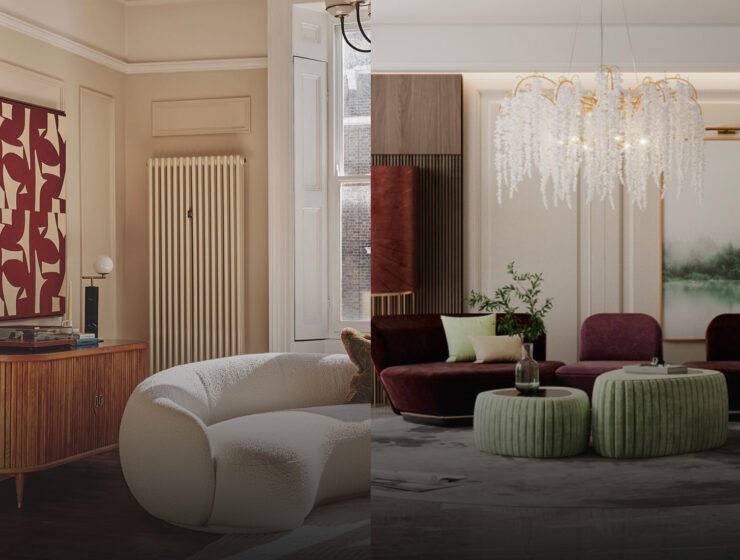
Trending Interior Design Styles: What’s Hot in 2024

Introduction: Setting the Stage for 2024

The world of interior design is constantly evolving, reflecting broader cultural shifts, technological advancements, and changes in lifestyle. As we step into 2024, the excitement around emerging interior design trends is palpable. Staying abreast of these trends is not merely about keeping your living space aesthetically pleasing; it’s about creating environments that resonate with current tastes and innovations, thus enhancing your quality of life.

Interior design serves as a mirror to our collective societal preferences. The trends we observe indicate how we seek comfort, express creativity, and embrace functionality. From sustainable materials to innovative technology integrations, the interior design landscape in 2024 promises to bring fresh concepts into our homes and workplaces. This year, we are witnessing a blend of the familiar and the avant-garde, with designers pushing the boundaries of conventional aesthetics while holding on to some timeless elements.

In this blog post, we will explore the cutting-edge interior design styles making waves in 2024. Whether you are planning a complete home makeover or looking to refresh a specific area, understanding these trends will provide you with the inspiration and insight needed to create spaces that are both modern and personal. Prepare to dive into a rich tapestry of design movements that range from the minimalistic and organic to the bold and innovative.

The journey through the latest trends in interior design will offer you a comprehensive view of what’s shaping the industry today. By staying informed, you can make choices that resonate with contemporary styles and also foresee the shifts that may influence your future design decisions. Let’s embark on this fascinating exploration of the top interior design styles of 2024.

Biophilic Design: Bringing Nature Indoors

Biophilic design focuses on incorporating elements of the natural world into interior spaces, creating environments that promote health and well-being. Central to this design philosophy is the inclusion of living plants, natural light, and organic materials. By integrating these elements, biophilic design seeks to forge a connection between individuals and nature, even within urban landscapes.

One of the key principles of biophilic design is the extensive use of living plants. This not only beautifies the space but also contributes to improved air quality by absorbing pollutants and emitting oxygen. Varieties such as ferns, spider plants, and peace lilies are popular choices for their air-purifying capabilities. Additionally, vertical gardens and green walls are gaining popularity in homes and offices for their space-saving benefits and striking visual appeal.

Natural light is another cornerstone of biophilic design. Maximizing the entry of daylight can have profound effects on occupant well-being, including reduced stress and enhanced mood. Large windows, skylights, and strategically placed mirrors are commonly used to increase the flow of natural light within a space. In areas where natural light is limited, full-spectrum LED lights can mimic daytime lighting, maintaining the benefits of exposure to natural light.

Organic materials such as wood, stone, and natural fibers are also integral components of biophilic design. These materials, when used in flooring, furniture, and decor, not only add to the aesthetic appeal of a space but also contribute to a calming and grounded atmosphere. For instance, wooden beams or stone accents can bring a touch of nature indoors, fostering a sense of tranquility and connection to the earth.

The benefits of biophilic design extend beyond visual appeal. Research has shown that environments rich in natural elements can lead to reduced stress levels, lower blood pressure, and increased productivity. In corporate settings, this translates to more focused and motivated employees, while in homes, it fosters a nurturing and inviting atmosphere. Examples of successful integration of biophilic design include open-plan offices adorned with indoor gardens and residential spaces featuring abundant natural light and organic textures.

As biophilic design continues to gain traction in 2024, its emphasis on creating harmonious, health-enhancing environments positions it as a leading trend in interior design. By seamlessly blending natural elements into our living and working spaces, biophilic design not only enriches aesthetic value but also promotes a profound sense of well-being.

Sustainable and Eco-Friendly Designs

In the ever-evolving landscape of interior design, 2024 is poised to be a landmark year for sustainable and eco-friendly approaches. As environmental concerns continue to dominate global discourse, the trend of incorporating sustainable practices in interior design is gaining unprecedented momentum. Homeowners and designers alike are increasingly prioritizing materials and processes that are both aesthetically pleasing and environmentally conscious.

One of the primary aspects of this trend is the use of recycled and upcycled materials. These materials not only reduce waste but also lend a unique, individualized character to interior spaces. Recycled glass countertops, reclaimed wood flooring, and upcycled furnishings are just a few examples of how sustainability can be seamlessly integrated into design. The charm and authenticity of such materials are becoming a sought-after aesthetic in modern homes.

Energy efficiency is another cornerstone of sustainable interior design in 2024. Innovations in energy-efficient fixtures, from LED lighting to smart thermostats, are not only reducing energy consumption but also enhancing the user experience. Additionally, products like solar-powered lighting and energy-efficient appliances are now being designed with both functionality and form in mind, ensuring they fit into any design scheme without compromising on style.

Eco-friendly paints and finishes are also gaining traction as a crucial component of sustainable interiors. Traditional paints often contain volatile organic compounds (VOCs) that can negatively impact indoor air quality. In contrast, eco-friendly paints are made from natural, non-toxic ingredients that minimize environmental impact and promote healthier living spaces. Brands like Farrow & Ball and Benjamin Moore have introduced lines of low-VOC and zero-VOC paints that are widely applauded for their quality and durability.

Leading this movement are pioneering brands and products that emphasize sustainability without sacrificing style. Companies such as Interface, renowned for their carbon-neutral flooring solutions, and West Elm, which offers a range of sustainably-sourced furniture, are setting new benchmarks for responsible design. These brands demonstrate that sustainability can be harmoniously integrated with luxury and comfort, proving that eco-friendly can be synonymous with elegance and modernity.

Maximalism: Bold Colors and Patterns

In recent years, the design pendulum has swung from the understated simplicity of minimalism to the exuberant excess of maximalism. This shift embraces a “more is more” mentality, characterized by the bold use of vibrant colors, eclectic patterns, and rich textures. Homeowners are increasingly attracted to maximalism’s ability to infuse their living spaces with personality and visual interest, a clear departure from the neutral palettes and clean lines that dominated the previous decade.

Maximalism thrives on the interplay of different elements, where bold colors like deep emerald greens, electric blues, and passionate reds create dynamic focal points. When combined with intricate patterns such as florals, geometrics, and tribal motifs, these hues form a cohesive yet dynamic environment that feels both curated and spontaneous. The use of sumptuous textiles, from velvet throws to intricately weaved rugs, further enhances the sensory experience of a space.

However, successfully implementing maximalism requires a discerning eye to avoid the potential for overwhelming clutter. One effective strategy is to select a unifying theme or color palette that anchors the design. For instance, a maximalist living room might center around jewel tones, integrating various shades of sapphire, ruby, and amethyst across different pieces of furniture and decor. This approach ensures a sense of harmony amidst the visual stimulation.

Incorporating statement pieces such as an ornately patterned Persian rug or an avant-garde chandelier can serve as the focal point around which other elements are arranged. Strategic layering is also key; for example, pairing a boldly colored sofa with contrasting patterned cushions can create depth without cluttering the space. Additionally, allowing for moments of respite through carefully placed negative spaces helps maintain balance and prevents sensory overload.

Some successful examples of maximalist interiors include a living room that fuses vintage and contemporary elements, mixing mid-century modern furniture with ornate baroque mirrors and abstract art pieces. Another could be a dining room where walls are adorned with an array of framed artwork, creating a gallery-like experience that sparks curiosity and conversation.

Japandi: The Perfect Fusion of Japanese and Scandinavian Aesthetics

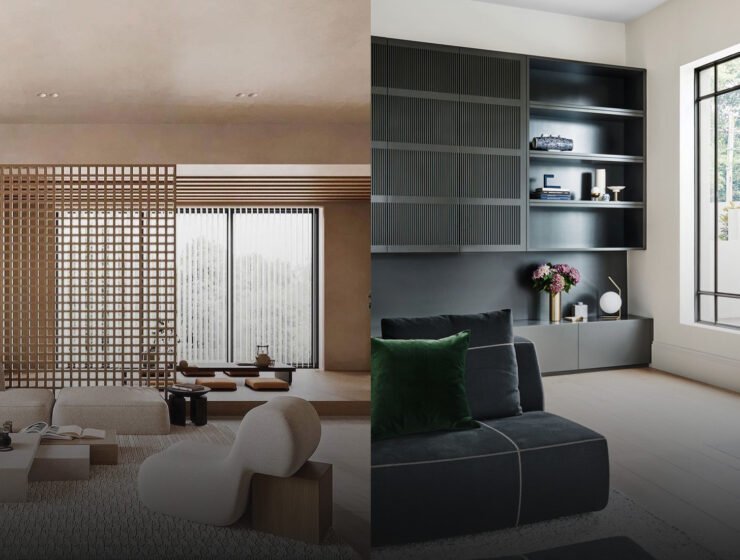
As 2024 unfolds, Japandi emerges as a prominent interior design trend, seamlessly merging the minimalist philosophies of Japanese and Scandinavian styles. This hybrid design approach emphasizes simplicity, functionality, and the use of natural materials, shaping serene and harmonious living environments that embody tranquility and understated elegance.

Central to Japandi interiors is the principle of minimalism. By eliminating superfluous items, spaces are kept uncluttered, fostering a sense of calm and focus. The design is not merely about reducing possessions but also about choosing furniture and decor that serve a purpose and contribute to the room’s functionality, a shared value in both Japanese and Scandinavian aesthetics.

Natural materials play a pivotal role in Japandi design. Wood, bamboo, stone, and organic textiles are favored to create a link between the indoor environment and nature. These materials not only add texture and warmth but also enhance the overall sensory experience of the home, aligning with the Scandinavian ethos of ‘hygge’—an expression of coziness and contentment.

Neutral color palettes dominate Japandi interiors, featuring soothing hues such as whites, beiges, soft grays, and earthy tones. These colors form a subtle backdrop that amplifies natural light, fostering an inviting and peaceful atmosphere. While neutral tones are predominant, subtle pops of muted colors, such as deep blues or forest greens, are sometimes incorporated to add depth and interest without overwhelming the simplicity.

Key elements that embody the Japandi style include low-profile furniture with clean lines, sliding screens or shoji, and an emphasis on craftsmanship. Each piece is thoughtfully selected and placed to maintain a cohesive and balanced appearance. Additionally, integration of Zen-inspired greenery, such as bonsai trees or minimalist potted plants, can further enhance the connection with nature and add a touch of living beauty to the space.

Ultimately, Japandi offers a timeless and balanced approach to modern living. This trend not only fulfills aesthetic aspirations but also provides a balmy retreat from the hustle and bustle of everyday life, resonating deeply with those seeking harmony and simplicity in their home environments.

Smart Homes: Integrating Technology into Design

In 2024, the trend of smart homes continues to gain momentum, reshaping the way we experience and interact with our living spaces. The integration of technology into interior design is no longer a futuristic concept but a present-day reality that enhances convenience, security, and energy efficiency in profound ways. One of the most significant innovations is smart lighting systems, which allow homeowners to control the ambiance of their rooms through apps or voice commands. These systems not only offer customization in terms of brightness and color but also adapt to the natural daylight pattern, thereby promoting energy savings.

Voice-activated assistants have become central to the smart home ecosystem. Devices such as Amazon Alexa, Google Assistant, and Apple’s Siri are being integrated into various household systems, enabling users to manage everything from lighting and climate control to entertainment and security. The voice-activation feature provides a hands-free, seamless experience, making daily routines more manageable. Additionally, these systems often learn user preferences over time, creating a personalized living environment.

Automated home systems are another cornerstone of smart home technology. Modern homes are increasingly equipped with integrated networks that synchronize various devices, from security cameras and door locks to kitchen appliances and HVAC systems. This interconnected infrastructure not only augments home security but also optimizes energy consumption by automatically adjusting settings based on occupancy and external conditions. For instance, smart thermostats can learn the household’s schedule and adjust the temperature accordingly, offering both comfort and savings on utility bills.

Incorporating these technologies into interior design requires thoughtful planning to ensure that they complement the aesthetic and functional aspects of a living space. Homeowners and designers are increasingly exploring the use of built-in systems and concealed wiring to maintain a clean, uncluttered look. The integration of smart technology into interior design is not merely about adding gadgets; it’s about creating intuitive, cohesive environments that enhance the quality of life while promoting sustainability.

Vintage and Retro Styles: A Nod to the Past

The resurgence of vintage and retro styles in 2024 signifies a profound appreciation for the aesthetics of bygone eras. This revival isn’t merely about nostalgia; it’s about integrating timeless design elements with contemporary flair. Mid-century modern, characterized by clean lines, functional forms, and a mix of natural and man-made materials, continues to captivate interior aficionados. Meanwhile, Art Deco, with its bold geometric patterns, luxurious materials, and vivid colors, brings an air of glamour and elegance to modern spaces.

One of the most compelling aspects of these trends is their versatility. Mid-century modern furniture, with its simplistic yet sophisticated design, can seamlessly blend into various decor themes, from Scandinavian minimalism to industrial chic. Art Deco accents, like ornate mirrors, plush textiles, and intricate lighting fixtures, are making bold statements in contemporary settings, reinforcing the harmony between old and new.

To effectively incorporate vintage pieces into your modern home, consider starting small. A retro-inspired coffee table or an iconic lounge chair can serve as focal points that set the tone for the room. Complement these central pieces with subtler vintage accessories, such as brass candlesticks, ornate picture frames, or retro-patterned cushions. Mixing textures and materials is key: wood, metal, and glass can all coexist harmoniously, creating a balanced and visually appealing environment.

Sourcing genuine vintage items can be an enjoyable treasure hunt. Flea markets, antique shops, and online platforms like Etsy or eBay offer an array of options. For those who prefer new items with a vintage feel, many contemporary brands now draw inspiration from classic designs, enabling you to achieve an authentic look without sacrificing modern comforts or durability.

Incorporating vintage and retro styles into modern interiors is about finding the right balance. By thoughtfully selecting and integrating pieces, one can create a space that honors the past while embracing the present, resulting in a timeless yet innovative interior.

Conclusion: Personalizing Trends to Your Own Style

As we navigate the evolving landscape of interior design in 2024, it’s crucial to remember that the most impactful spaces are those that resonate personally. While following trending styles can be an excellent way to keep your home looking contemporary and fresh, integrating these trends with your unique personality and preferences is what makes a space truly yours. Whether you’re drawn to the tactile qualities of organic materials, the sleek lines of minimalist design, or the nostalgic elements of vintage decor, blending these styles with elements that reflect your own tastes ensures a more meaningful and lasting satisfaction.

The cyclical nature of design trends provides ample opportunities to experiment and reimagine what interior spaces can be. Today’s hot trends will inevitably evolve, borrowing inspirations from the past while paving the way for future innovations. This fluidity allows for a dynamic interplay between contemporary styles and timeless classics, enabling you to update your environment periodically without losing the essence of what makes it uniquely yours. Embracing this ongoing cycle can invigorate your love for design, engender creativity, and inspire continuous refinement of your living spaces.

Moreover, personalizing trending styles fosters a deeper connection to your home, transforming it from a mere abode into a sanctuary that mirrors your lifestyle and aspirations. The joy of interior design lies in the discovery and execution of ideas that not only bring aesthetic pleasure but also improve the functionality and enjoyment of your everyday life. By thoughtfully merging what’s hot in 2024 with your own design sensibilities, you create spaces that are not just stylish but a heartfelt extension of yourself. So, dare to blend, mix, and match, and enjoy the endless possibilities that interior design has to offer.

Introduction to DIY Decor

Embarking on the journey of DIY decor offers a unique and enriching experience, blending creativity with the personal touch that transforms a house into a home. DIY decor, or Do-It-Yourself decoration, empowers individuals to create personalized decorations that reflect their unique taste and style. This burgeoning trend has captivated enthusiasts for various reasons, chief among them being cost savings. Creating your decor can be significantly more economical compared to purchasing ready-made items, allowing for high personalization at a fraction of the cost.

Another compelling aspect of DIY decor is the boundless avenue it opens for customization. Whether infusing a modern, rustic, or eclectic vibe, DIY projects enable one to tailor every detail to match their vision precisely. This level of customization ensures that every finished piece is not only unique but also imbued with the creator’s personality and flair, resulting in a truly one-of-a-kind environment.

The process of crafting also brings a deep sense of fulfillment and joy. Engaging in hands-on projects can be therapeutic, offering a creative outlet that refreshes the mind and spirit. The gratification that comes from seeing a project evolve from a mere idea to a tangible item cannot be overstated; it is a rewarding journey that celebrates one’s ingenuity and effort.

Ultimately, DIY decor projects do more than just enhance aesthetics—they turn living spaces into personal sanctuaries that resonate with individual stories and memories. Each crafted item, skillfully designed and meticulously executed, serves as a testament to one’s creativity and dedication. As more people seek meaningful ways to personalize their surroundings, DIY decor continues to grow in popularity, ushering in a delightful blend of creativity and practical elegance.

Choosing the Right Materials

Selecting the right materials is a fundamental step in any DIY decor project, as it directly affects the quality, aesthetics, and durability of the final product. When sourcing materials, it’s crucial to strike a balance between affordability and high quality. Local craft stores often provide a broad range of supplies, from fabrics and paints to tools and hardware. These stores typically offer hands-on assistance, allowing you to feel and see the materials before committing to a purchase.

In addition to physical stores, online marketplaces have become a treasure trove for DIY enthusiasts. Websites like Etsy, Amazon, and specialized craft supply stores offer an extensive range of materials, often at competitive prices. Many of these platforms feature user reviews and ratings, which can guide you toward the best products. Remember to factor in shipping costs and times when ordering materials online, especially for urgent projects.

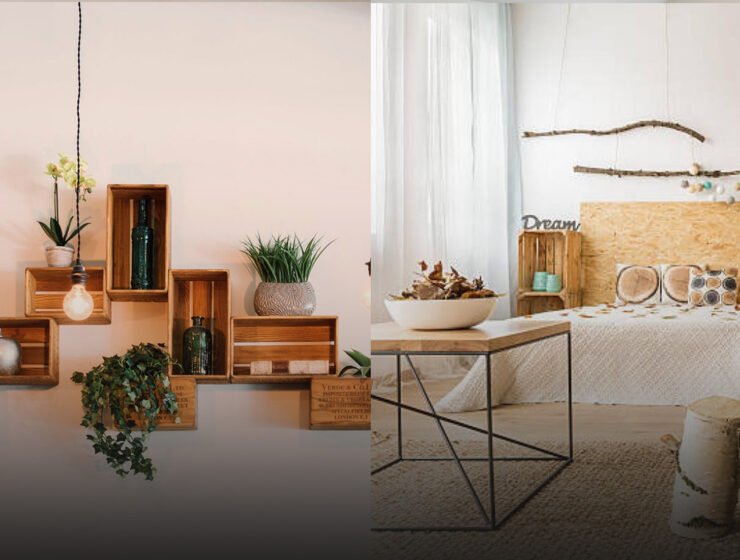
Upcycling, or repurposing old items, is another fantastic way to obtain unique materials for your DIY decor projects. This sustainable approach not only reduces waste but also adds a personalized, vintage flair to your creations. Thrift stores, garage sales, and even your own home can be excellent sources for upcyclable items. For example, an old wooden ladder can be transformed into a chic bookshelf, or vintage fabrics can be refashioned into decorative throw pillows.

When choosing materials, consider sustainable and eco-friendly options. Opt for non-toxic paints, recycled wood, and organic fabrics. These choices help minimize environmental impact and often result in healthier living spaces. Eco-friendly products are increasingly available in both physical stores and online marketplaces, making it easier than ever to incorporate sustainability into your DIY projects.

By carefully selecting the right materials, you ensure that your DIY decor projects are not only beautiful and functional but also cost-effective and environmentally responsible. With a little research and creativity, you can source materials that enhance both the longevity and uniqueness of your personalized space.

Essential Tools for DIY Decor

Embarking on DIY decor projects requires not only creativity but also a well-equipped toolkit. From basic items to more specialized equipment, having the right tools at your disposal can make all the difference in both the process and the final result.

One of the most fundamental tools in any DIY decor toolkit is a pair of high-quality scissors. These are indispensable for cutting a wide range of materials such as paper, fabric, and ribbon. Investing in a good pair ensures precision and reduces the risk of jagged edges.

Another essential item is a glue gun. This versatile tool is perfect for a variety of crafting needs, from assembling small objects to attaching decorative elements. Opt for a glue gun with adjustable temperature settings to accommodate different materials without causing damage.

Paintbrushes are crucial for any project involving paint. It’s essential to have an assortment of brushes in varying sizes and shapes to suit different tasks. Synthetic brushes are often recommended for their durability and ability to work well with various types of paint.

For more specialized projects, tools like rotary cutters and self-healing cutting mats are invaluable, particularly in tasks requiring fine, precise cuts. A rotary cutter can efficiently slice through fabric, cardboard, and even plastic, while a self-healing cutting mat protects surfaces and prolongs the life of your blades.

A quality measuring tape or ruler is also a must-have to ensure accuracy. These tools allow for precise measurements, which are crucial in achieving a polished and professional look in your decor projects.

Maintaining your tools is equally important to prolong their usability. Regular cleaning, sharpening, and proper storage can significantly extend the life of your tools, ensuring they perform optimally over time.

In sum, equipping yourself with essential tools like scissors, glue guns, and paintbrushes, along with more specialized items depending on your specific needs, can greatly enhance your DIY decor projects. Investing in high-quality tools and taking good care of them ensures you’re always ready to bring your creative visions to life.

Step-by-Step Projects for Beginners

Embarking on DIY decor projects can be both fulfilling and empowering, especially for beginners seeking to personalize their space with a touch of creativity. Here are a few easy projects to get you started, complete with materials, tools, and step-by-step instructions.

Painted Flower Pots

Materials: Terracotta pots, acrylic paint, paintbrushes, and sealant.

Tools: Sandpaper and a palette.

Instructions:

1. Clean the flower pots thoroughly to remove any dust or residue.

2. Lightly sand the surface to help the paint adhere better.

3. Choose your desired color scheme and pour the paint onto a palette.

4. Apply a base coat and let it dry completely. You may need multiple coats for an even finish.

5. Add decorative details such as patterns or designs once the base coat is dry.

6. Seal the painted pots with a clear acrylic sealant to protect your artwork.

Tip: Avoid using too much water with acrylic paint as it may weaken the color intensity and cause uneven coverage.

Decorative Pillows

Materials: Plain pillowcases, fabric paint or markers, and stencils (optional).

Tools: Iron and ironing board.

Instructions:

1. Lay out your pillowcase on a flat surface.

2. If using stencils, position them on the pillowcase where you want your design.

3. Apply fabric paint evenly, using a brush or marker, and remove the stencil carefully.

4. Allow the paint to dry according to the manufacturer’s instructions.

5. To set the paint, iron the pillowcase on a low setting, placing a cloth between the iron and paint.

Tip: Test the paint on a small fabric piece first to ensure you achieve the desired effect.

Photo Frames

Materials: Plain wooden frames, decorative paper or fabric, glue, and embellishments like beads or buttons.

Tools: Scissors, ruler, and a glue gun.

Instructions:

1. Measure the frame and cut decorative paper or fabric to fit.

2. Apply glue to the frame surface and carefully place the paper or fabric, smoothing out any wrinkles.

3. Trim excess material from the edges.

4. Decorate with embellishments as desired, securing them with hot glue.

Tip: Wait for the glue to set properly before handling the frame to avoid displacing the decorations.

These beginner-friendly projects not only provide a great starting point but also allow you to infuse your personal style into every detail. Happy crafting!

Intermediate Projects to Challenge Your Skills

For those ready to elevate their DIY game, intermediate projects offer the perfect opportunity to flex your creative muscles and refine your craftsmanship. One of the intriguing projects at this level is creating a decorative wall hanging. This project allows for a mix of materials such as yarn, fabric, wood, and metal, providing a rich tactile experience. You’ll need skills in measuring, cutting, and assembling materials, and basic knowledge of tools like drills, saws, and glue guns. One common challenge in this project is achieving symmetry and balance in your design, but careful planning and using a level can mitigate this issue.

Refurbishing furniture is another rewarding intermediate project. This could involve sanding down an old piece to remove the original finish, repairing any structural damage, applying a fresh coat of paint or stain, and possibly reupholstering. Techniques you might need include stripping paint, using a sander, applying primer and paint, and sewing for any upholstery work. The primary challenge here is often the prep work, which can be time-consuming but is critical for a professional finish. Patience and attention to detail are key to overcoming these hurdles.

Lastly, creating a custom lampshade can add a unique touch to any room. This project involves selecting the right fabric, cutting it to fit the lampshade frame, and attaching it securely. Sewing skills are beneficial here, particularly if you want to add decorative elements like trims or tassels. Challenges might include ensuring the fabric is taut and free of wrinkles, and aligning seams so that the finish looks clean. Using fabric glue and clips can help manage these issues effectively.

Each of these intermediate projects not only enhances the aesthetic of your space but also offers a significant sense of accomplishment as you bring your ideas to life. With patience, attention to detail, and a willingness to tackle new challenges, these projects can transform your home into a personalized sanctuary of creative expression.

Incorporating Trends and Personal Style

Staying updated with the latest DIY decor trends can significantly enhance the appeal of your personalized projects. The world of home decor constantly evolves, introducing new styles, colors, and themes that can inspire your creativity. Currently, some of the popular trends include minimalist designs, earthy tones, and the integration of natural materials such as wood and stone. These elements help create a warm, inviting atmosphere in any space.

For example, minimalist design focuses on simplicity and functionality. Emphasizing clean lines and neutral color palettes, this trend embraces the “less is more” philosophy. By integrating minimalist elements into your DIY projects, such as sleek shelving units or uncluttered wall art, you can achieve a sophisticated, contemporary look without overwhelming your space.

Earthy tones and natural materials are also gaining traction in the DIY decor scene. Colors like terracotta, olive green, and soft beige evoke a sense of calm and connection to nature. Incorporating these hues, alongside materials like reclaimed wood or natural stone, can craft a cozy, grounded environment. Imagine a handcrafted coffee table made from repurposed wood or a set of stone coasters with natural textures – these projects blend functionality with aesthetic charm.

While it’s essential to embrace trends, it’s equally crucial to infuse your personal style into your DIY decor projects. Combining popular trends with elements that reflect your taste can result in truly unique pieces. If you love bold colors, for instance, consider adding vibrant accents to a minimalist design. Alternatively, if you have a penchant for vintage styles, you can mix retro elements with modern trends for a timeless look.

By staying attuned to current DIY decor trends and seamlessly integrating your personal style, you can create distinctive and captivating decor pieces. This not only revamps your space but also ensures that your projects resonate with your unique personality, making your home a true reflection of who you are.

Bringing It All Together: Room Makeover Ideas

Achieving a comprehensive room makeover is a rewarding way to breathe new personality into your living space. Integrating multiple DIY decor projects is not only cost-effective but also allows for a customized design that reflects personal style. The key to success is thoughtful planning and a cohesive design theme that ties all elements together seamlessly.

To start, choose a theme that resonates with your taste and complements the room’s function. For example, a boho chic bedroom can be invigorated with DIY macramé wall hangings, hand-painted throw pillows, and a repurposed vintage dresser. Each project should contribute to the relaxed, eclectic aesthetic typified by boho chic decor. Utilize a cohesive color palette with earthy tones and vibrant accents to unify the space.

On the other hand, a rustic kitchen transformation can invoke warmth and charm. Begin with DIY open shelving made from reclaimed wood to showcase your rustic dishware. Create a cozy eating nook with distressed wooden benches and a custom-made farmhouse table. Adding handcrafted items like ceramic mugs or knitted dishcloths can further enhance the rustic theme. The juxtaposition of raw materials and soft textiles can create a welcoming, lived-in look.

When planning your room makeover, map out your vision with a mood board. Collect images, fabric swatches, and paint samples to visualize how all elements will coalesce. This approach helps in maintaining a consistent style and avoiding missteps in project selection. Always prioritize balance in your design; too many focal points can overwhelm, while too few can leave the space feeling sparse.

Furthermore, incorporating multifunctional pieces can be a smart strategy in your room makeover. Furniture that doubles as storage can keep your space organized and aesthetically pleasing. For example, a DIY coffee table with built-in shelves can display books and decor items while providing a focal point.

By integrating a series of well-planned DIY projects, you can transform an entire room into a personalized haven that reflects your creative flair. Careful planning, cohesive design choices, and attention to detail are key to bringing your vision to life, whether it’s a boho chic bedroom, a rustic kitchen, or any other themed space.

Tips for Maintaining and Updating DIY Decor

Preserving the beauty and integrity of your DIY decor projects is essential to ensure their longevity and continued enjoyment. Regular maintenance is key to keeping your handmade items looking fresh and vibrant. One crucial step is to dust your creations frequently to prevent the accumulation of dirt and grime. Use a soft cloth or a gentle brush to avoid damaging the delicate surfaces. For fabric-based decor, such as cushions or wall hangings, consider gentle hand washing or using a vacuum cleaner with an upholstery attachment for thorough cleaning.

Another aspect to consider is the environment where your DIY decor is placed. Avoid prolonged exposure to direct sunlight, which can cause fading and discoloration over time. If your decor includes wooden elements, periodic polishing or waxing can help maintain its luster. For metallic pieces, a light buffing with a dry cloth can prevent tarnish and corrosion.

Updating your DIY decor is a fantastic way to continuously personalize your space and adapt it to the changing seasons or evolving tastes. Simple actions, such as swapping out pillow covers, can breathe new life into a room. Likewise, alternating between different patterns and color schemes for tablecloths or curtains can offer a refreshing change. If your decor includes frames, consider switching out the artwork or photographs periodically to keep the display dynamic and engaging.

Embracing the spirit of creativity and experimentation is fundamental to maintaining the relevance of your DIY decor. Don’t hesitate to modify or repurpose your existing projects. Adding new embellishments or features can rejuvenate older items, while integrating seasonal elements—like autumn leaves, winter garlands, or spring flowers—can provide a timely update. Additionally, you might explore new crafts or techniques to expand your decorative arsenal, ensuring that your space remains a true reflection of your creativity and personality.

Ultimately, the most important aspect of maintaining and updating DIY decor is to find joy in the process. With a bit of care, your handmade items can continue to enhance your space, offering both visual appeal and a sense of accomplishment.

Introduction to Minimalist Decor

Minimalist decor, with its roots in the minimalist art movement of the late 1960s, has evolved into a popular interior design philosophy. Central to minimalist decor is the principle of simplicity, which aims to create a serene and uncluttered living environment. This design approach emphasizes functionality, often utilizing a monochromatic palette and clean lines, to foster a sense of calm and order. The guiding tenet of “less is more” is pivotal in minimalist decor, advocating for the use of minimal elements to maximize space and light.

Over time, minimalist decor has transcended its early artistic expressions to become a cornerstone of modern interior design. It values quality over quantity, favoring a few well-crafted pieces over a multitude of items. This approach helps in decluttering spaces and removing unnecessary visual distractions. The aesthetics of minimalist decor often include open spaces, neutral colors, and strategic use of natural light, which collectively contribute to a tranquil ambiance.

Functionality is another key aspect, ensuring that every element in the space serves a practical purpose while also adhering to aesthetic principles. This dual focus on form and function encourages mindful consumption and thoughtful selection of furniture and accessories. By integrating multifunctional pieces and simple yet stylish furnishings, minimalist decor creates homes that are both efficient and elegant.

In today’s fast-paced world, minimalist decor resonates with those seeking a reprieve from the chaos. Its relevance in contemporary design is underscored by its ability to provide a visually soothing and mentally calming environment. Embracing minimalist decor means cultivating a lifestyle that appreciates the beauty in simplicity, promotes a sense of peace, and contributes to overall well-being. This enduring design philosophy continues to inspire homeowners and designers alike, offering timeless solutions for modern living spaces.

Key Elements of Minimalist Design

Minimalist decor is characterized by a refined combination of simplicity, functionality, and elegance. One of the core elements is a neutral color palette. Shades such as white, beige, and gray dominate minimalist spaces, serving as a calm and serene backdrop. These muted tones enhance the brightness of rooms by reflecting natural light, ultimately contributing to an expansive and airy feel.

Clean lines are another hallmark of minimalist design. Furniture and architectural elements with minimal ornamentation and straightforward geometry create a sleek, uncluttered look. This simplicity in design helps maintain focus on the form and function of each piece, ensuring that the environment remains organized and free of distractions.

Open spaces are crucial in achieving the sense of tranquility associated with minimalist decor. By adopting an open floor plan and minimalist furniture arrangements, spaces appear larger and more connected. This openness encourages easy flow and movement within the room, helping to create an inviting and stress-free atmosphere. Additionally, the strategic use of negative space—a concept often embraced in minimalist design—further accentuates the cleanliness and balance of the environment.

A focus on high-quality materials is fundamental in minimalist design, where every item should be both visually appealing and purposeful. Natural materials such as wood, stone, and metal are preferred for their inherent beauty and durability. Their organic textures and subtle variations add depth and character to a space without overwhelming it. By valuing quality over quantity, minimalist decor encourages a sustainable approach and a closer connection to nature.

By integrating these key elements—neutral color palettes, clean lines, open spaces, and high-quality materials—minimalist decor creates an aesthetically pleasing and calming living environment. This design philosophy promotes an uncluttered lifestyle, fostering mental clarity and a sense of well-being in everyday life.

Choosing the right furniture for a minimalist decor is crucial to achieving a clean and modern look. The core principle of minimalist design revolves around simplicity, functionality, and quality. When selecting furniture, prioritize multi-functional pieces that serve more than one purpose, such as a sofa that doubles as a guest bed or a coffee table with built-in storage. This not only maximizes the utility of your space but also reduces the need for additional items, maintaining a decluttered environment.

Opt for furniture with clean and simple designs. Look for pieces characterized by straight lines, neutral colors, and minimal ornamentation. Avoid overly elaborate designs, as these can detract from the minimalist aesthetic. For example, a sleek, low-profile sofa in a neutral hue can serve as a stylish focal point without overwhelming the space. Similarly, a dining table with tapered legs and a smooth finish can provide both elegance and practicality.

Fewer, but higher-quality items is another fundamental aspect of minimalist decor. Invest in well-crafted furniture made from durable materials such as solid wood, metal, or high-quality fabric. These items not only enhance the aesthetic appeal but also ensure longevity, reducing the need for frequent replacements. By focusing on quality over quantity, you can create a more sustainable and cohesive living space.

Balancing functionality with aesthetics is essential. Ensure that each piece of furniture contributes to the overall minimalist look while serving a practical function. For instance, consider incorporating floating shelves, which provide storage without consuming floor space, while maintaining a light and airy feel. Similarly, a modular sofa can be rearranged to suit different needs, offering both flexibility and style.

In summary, the key to choosing the right furniture for a minimalist space lies in selecting multi-functional, cleanly designed, high-quality pieces that balance functionality with aesthetics. By doing so, you can create a harmonious, uncluttered environment that embodies the essence of minimalist decor.

Color Schemes and Textures

Color and texture play pivotal roles in minimalist decor, essential for fostering an environment that feels both serene and sophisticated. Central to this approach is a neutral color palette, where whites, grays, and beiges take precedence. These hues create an ambiance that is clean and uncluttered while offering a canvas for subtle variation and depth.

Whites, whether crisp or creamy, serve as the foundation of minimalist design, reflecting light and making spaces appear larger and more open. Grays introduce a sense of calm and modernity, offering a versatile base that complements various textures and accents. Beiges and other earth tones inject warmth, breaking the potential sterility of an all-white scheme. Together, these neutrals form a harmonious backdrop conducive to a minimalist aesthetic.

To avoid monotony in a minimalist setting, incorporating texture is key. Textures add intrigue and dimension without overwhelming the simplicity. Natural wood, for instance, can bring a sense of organic warmth and richness. Whether it’s a wooden coffee table, shelves, or flooring, the grain and patina of wood introduce a tactile quality that enhances the overall design.

Similarly, stone surfaces like marble, slate, or concrete can be strategically integrated to elevate minimalist decor. A marble countertop or a slate accent wall provides subtle variations in color and texture, infusing the space with elegance and understated luxury. Concrete, with its raw and industrial charm, can be used for flooring or statement pieces, balancing sophistication with a utilitarian edge.

Textiles, too, contribute significantly to the minimalist decor palette. Soft furnishings such as wool rugs, linen curtains, or cotton throw pillows offer comfort and a gentle contrast to harder surfaces. These elements should remain unembellished and in neutral colors to sustain the minimalist theme while providing the necessary tactile diversity.

In summary, a neutral color palette complemented by thoughtfully chosen textures ensures that minimalist decor does not equate to empty or sterile. Instead, the mindful interplay of colors and textures creates spaces that are inviting, nuanced, and serene. By embracing these principles, one can achieve a minimalist look that is both clean and modern.

Decluttering and Organization

Achieving a minimalist decor is significantly reliant on effective decluttering and organization. This integral step not only enhances the aesthetic appeal of the space but contributes to an overall sense of tranquility and functionality. Clutter can be overwhelming, so it is crucial to approach decluttering systematically, addressing one room at a time.

Start with the living room, often the most frequented area. Evaluate each item’s purpose and necessity—if it does not serve a clear function or bring considerable joy, it may be time to let it go. Employ storage solutions such as multi-functional furniture with hidden compartments or floating shelves that keep items off the floor and give the room a neat look.

In the kitchen, focus on getting rid of redundant utensils, expired pantry items, and gadgets that are rarely used. Streamline your countertop by storing appliances inside cabinets and utilizing organizational tools like drawer dividers and bins. This not only makes the space more cohesive but also improves meal preparation efficiency.

Bedrooms can benefit from decluttering by sorting through clothing and accessories. Adopt the practice of donating items that haven’t been used in the past year. Invest in under-bed storage or install closet systems to maximize space. This will create a serene environment that is conducive to restful sleep and relaxation.

Bathrooms often contain numerous products that accumulate over time. Prioritize essentials and organize them using baskets and labeled containers. Install wall-mounted shelves or cabinets to keep surfaces clear, enhancing the bathroom’s clean and minimalist aesthetic.

Maintaining a decluttered space offers profound mental and emotional benefits. A clutter-free environment reduces stress, enhances focus, and fosters a sense of control. By regularly assessing and organizing personal spaces, individuals can create a home that supports their well-being and underscores the principles of minimalist decor. Implementing these strategies ensures that the decor remains both beautiful and functional, embodying the essence of simplicity and modernity.

Incorporating Art and Decor

Incorporating art and decor into a minimalist space requires a thoughtful approach that emphasizes simplicity and cohesion. When selecting artwork, opt for pieces that are not only minimalist in their own right but also resonate with the broader aesthetic of the environment. Favor artworks with clean lines, uncomplicated forms, and a restrained color palette. This approach ensures that each piece enhances rather than overwhelms the minimalist atmosphere.

Meaningful art, such as photographs or paintings that hold personal significance, can also contribute to a minimalist space. By carefully choosing pieces that tell a story or evoke a particular emotion, you add depth to the design without clutter. Black and white photography, abstract art with subtle tones, and single-color paintings are suitable choices as they blend seamlessly into a minimalist decor.

Beyond wall art, other decor elements can also serve to complement a minimalist aesthetic beautifully. Greenery, for instance, adds a touch of natural vitality. Consider incorporating plants with simple, uncluttered leaves like succulents or snake plants, which also require minimal maintenance. A well-placed plant can serve as a focal point and introduce organic beauty into the space.

Sculptural elements, too, can enhance minimalist decor. Select pieces with sleek, smooth lines and neutral hues that reflect light and cast interesting shadows. Such sculptures can be strategically placed on tables, shelves, or mantels to add visual interest without compromising the overall minimalist look.

Functional decorative items are another key aspect of minimalist decor. Opt for pieces like elegantly designed clocks, lamps, or vases that serve a dual purpose of utility and aesthetics. The core principle to remember is that less is more. Each item should serve a purpose and contribute to the overall harmony of the space.

By meticulously selecting and placing art and decor elements, you can achieve a minimalist decor that is both clean and modern, creating an environment that is not only visually pleasing but also serene and functional.

Lighting in Minimalist Interiors

Effective lighting plays a crucial role in shaping the minimalist aesthetic, emphasizing simplicity, tranquility, and clarity. Attention to lighting can transform a space, enhancing its minimalist features while delivering both functionality and beauty. Maximizing natural light is the first step. Large windows, skylights, and open spaces allow sunlight to flood the room, creating an airy and expansive feel. Utilizing sheer curtains or blinds helps to soften light without obstructing it, ensuring the space remains well-lit and inviting throughout the day.

To complement natural light, incorporate minimalistic light fixtures, carefully chosen for both their form and function. These elements should have clean lines, neutral colors, and an understated presence. Pendant lights, wall-mounted fixtures, and recessed lighting are excellent choices that blend seamlessly with minimal decor. When selecting fixtures, opt for sleek designs that enhance rather than overwhelm the space, contributing to the overall serene atmosphere.

Different lighting types have distinct roles in reinforcing the minimalist aesthetic. Ambient lighting provides general illumination, ensuring that each corner of the room is uniformly lit. Task lighting focuses on specific areas requiring more light, such as workspaces or reading nooks. Consider minimalist desk lamps or under-cabinet lighting for this purpose. Accent lighting can highlight architectural elements or artwork, adding depth and interest to the space without clutter. Simple LED strips or strategically placed spotlights can achieve this subtly.

Incorporating dimmable lights allows for greater control over the ambiance, letting you adjust brightness levels to suit different moods and activities. Always prioritize energy-efficient lighting options such as LEDs, which align with the minimalist ethos of sustainability and efficiency. By thoughtfully integrating these lighting strategies, you can create a harmonious environment that encapsulates the essence of minimalist decor—clean, modern, and refreshingly uncluttered.

Case Studies and Examples

In exploring the transformative power of minimalist décor, several real-life examples and case studies illustrate how its principles can be successfully applied to create clean and modern living spaces. These examples serve as both inspiration and practical guides for individuals looking to embrace minimalism in their own homes.

One notable example is the renovation of a 1970s suburban home by interior designer Emma Smith. Initially cluttered with an array of mismatched furniture and outdated décor, the space was transformed into a serene sanctuary through a meticulous application of minimalist principles. Smith started by decluttering each room, retaining only essential items that added functional or aesthetic value. The replacement of heavy drapes with sheer curtains allowed natural light to accentuate the space, while a neutral color palette enhanced the home’s airy atmosphere. The incorporation of streamlined furniture with clean lines further emphasized a modern, uncluttered look.

Another compelling case is the loft apartment of digital nomad Alex Turner, which was initially an eclectic and disorganized living area. Through the guidance of a minimalist consultant, Turner adopted a “less is more” philosophy. By eliminating excess possessions and opting for multi-functional furniture, the space was both beautified and optimized for small living. The consultant introduced a monochromatic color scheme punctuated with subtle accents, such as an oversized wall mirror, which created an illusion of expanded space. The apartment’s transformation was remarkable, blending simplicity with functionality.

Before-and-after photos of these projects vividly capture the radical change minimalism can bring to a living space. In an interview, Smith noted, “Minimalism isn’t just about getting rid of things; it’s about making thoughtful choices that enhance your living experience.” Similarly, Turner shared, “The shift to a minimalist lifestyle was liberating. I now have more space to think and create.”

These case studies offer concrete examples and detailed descriptions that effectively demonstrate the adaptable and transformative nature of minimalist décor. They provide valuable insights and practical ideas for anyone seeking to achieve a similar clean and modern look in their own homes.

Conclusion: Maintaining the Minimalist Lifestyle

Maintaining a minimalist lifestyle requires dedication and a strategic approach to daily living. Achieving a clean and modern look through minimalist decor calls for not just an initial commitment but an ongoing effort to keep your space clutter-free and serene. One of the most common challenges in sustaining a minimalist lifestyle is resisting the urge to accumulate more items. This can be mitigated by practicing mindful consumption—only purchasing items that serve a functional purpose or bring you joy.

A key aspect of staying consistent with the minimalist decor philosophy involves regular decluttering. Schedule routine evaluations of your living space to identify and eliminate items that no longer contribute to your lifestyle or aesthetic. This continuous process of decluttering helps in ensuring that your environment remains clean and orderly. Consider adopting a “one in, one out” rule; for every new item brought into your home, another should be removed. This helps in maintaining balance and preventing unnecessary accumulation.

Staying committed to the minimalist lifestyle also requires reinforcing good habits. Establish and adhere to a cleaning routine that ensures each area of your home is addressed regularly. By integrating simple yet effective organizational practices, such as designated storage spaces and minimalist design principles, you can create an environment that fosters tranquility and order.

Another useful strategy is to live by the principle of intentional living. Each item within your space should have a distinct purpose and provoke a positive emotional response. Engage in regular reflection on the items you own and their relevance to your current lifestyle, allowing you to maintain a home environment that is both functional and aesthetically pleasing.

Ultimately, maintaining a clean, modern, and serene living environment through minimalist decor is a journey of continuous refinement. By embracing mindful consumption, regular decluttering, consistent organizational routines, and intentional living, you can sustain the minimalist lifestyle, ensuring your space remains a haven of simplicity and elegance.