Category

Wellness

Category

Creating a Sustainable Wellness Routine: Tips for Long-Term Health

Incorporating a sustainable wellness routine into your daily life is key to achieving long-term health and well-being. A well-rounded approach to wellness that combines physical, mental, and emotional health can lead to lasting positive changes. Here’s a comprehensive guide to help you create and maintain a sustainable wellness routine.

1. Set Clear and Achievable Goals

Define Your Wellness Objectives
Identify what you want to achieve with your wellness routine. Your goals might include improving physical fitness, enhancing mental well-being, managing stress, or adopting healthier eating habits.

Make Goals Specific and Realistic
Set clear, achievable goals that are specific and realistic. For example, instead of saying, “I want to exercise more,” specify, “I will exercise for 30 minutes, five days a week.” Setting achievable milestones helps maintain motivation and track progress.

2. Develop a Balanced Routine

Incorporate Physical Activity
Include a variety of exercises in your routine, such as cardiovascular workouts, strength training, and flexibility exercises. Aim for at least 150 minutes of moderate aerobic activity or 75 minutes of vigorous activity per week, along with muscle-strengthening activities on two or more days a week.

Prioritize Nutrition
Adopt a balanced diet rich in fruits, vegetables, whole grains, lean proteins, and healthy fats. Focus on portion control and mindful eating. Avoid fad diets and instead aim for long-term, sustainable eating habits.

Ensure Adequate Sleep
Establish a consistent sleep schedule and aim for 7-9 hours of quality sleep each night. Create a relaxing bedtime routine and maintain a sleep-conducive environment by minimizing exposure to screens and maintaining a comfortable room temperature.

3. Integrate Mental and Emotional Well-Being

Practice Stress Management
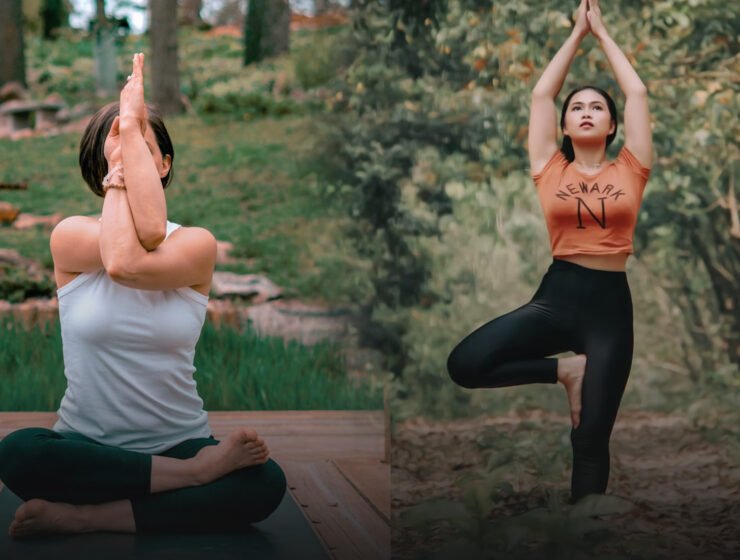
Incorporate stress-reducing practices into your routine, such as mindfulness, meditation, yoga, or deep-breathing exercises. Regularly engaging in these activities can help manage stress and improve overall mental health.

Foster Healthy Relationships
Build and maintain supportive relationships with family and friends. Social connections can enhance emotional well-being and provide a network of support during challenging times.

Set Aside Time for Self-Care
Dedicate time each day for activities that nurture your mental and emotional health. This could include reading, journaling, pursuing hobbies, or engaging in relaxation techniques.

4. Create a Routine That Fits Your Lifestyle

Start Small
Begin with small, manageable changes to avoid overwhelming yourself. Gradually incorporate new habits into your routine and build on your successes over time.

Be Flexible
Adapt your wellness routine to fit your lifestyle and preferences. If you prefer morning workouts, schedule exercise sessions in the morning. If you’re more productive in the afternoon, adjust your routine accordingly.

Plan for Obstacles
Anticipate potential challenges and plan for how you will address them. If you have a busy schedule, consider shorter, more intense workouts or meal prepping to ensure you stay on track.

5. Make Wellness Enjoyable

Choose Activities You Enjoy
Select physical activities and wellness practices that you find enjoyable. Whether it’s dancing, hiking, cooking healthy meals, or practicing meditation, engaging in activities you like increases the likelihood of sticking with your routine.

Incorporate Variety
Keep your routine interesting by incorporating a variety of activities. Mixing different types of exercises, trying new recipes, and exploring different relaxation techniques can prevent boredom and maintain motivation.

Reward Yourself
Celebrate your achievements and milestones with rewards that align with your wellness goals. For example, treat yourself to a new workout outfit, a relaxing spa day, or a favorite healthy treat as a reward for reaching a goal.

6. Track Your Progress

Keep a Wellness Journal
Document your wellness journey by keeping a journal. Track your workouts, meals, sleep patterns, and mood to identify patterns and make informed adjustments to your routine.

Use Apps and Tools
Utilize wellness apps and tools to monitor your progress. Apps for tracking exercise, nutrition, sleep, and stress levels can provide valuable insights and help you stay accountable.

Regularly Review and Adjust
Periodically review your wellness routine to assess what’s working and what needs improvement. Adjust your goals, activities, and strategies based on your progress and changing needs.

7. Seek Professional Guidance

Consult with Healthcare Professionals
If you have specific health concerns or conditions, consult with healthcare professionals such as doctors, nutritionists, or fitness trainers. They can provide personalized recommendations and ensure that your wellness routine is safe and effective.

Consider Working with a Wellness Coach
A wellness coach can help you develop a tailored wellness plan, provide motivation, and offer guidance on achieving your goals. Coaching can be especially useful for creating a sustainable routine and overcoming obstacles.

8. Embrace a Holistic Approach

Integrate Mind-Body Practices
Incorporate practices that address both physical and mental health. Techniques such as yoga, Tai Chi, and mindfulness can enhance overall well-being by promoting relaxation and body awareness.

Focus on Long-Term Lifestyle Changes
Rather than seeking quick fixes, focus on making long-term lifestyle changes that support overall health. Building healthy habits gradually ensures that they become a permanent part of your life.

Balance Wellness with Other Life Aspects
Strive for balance between wellness and other areas of your life, including work, relationships, and personal interests. A holistic approach ensures that wellness supports rather than overwhelms other aspects of your life.

9. Stay Inspired and Motivated

Surround Yourself with Support
Surround yourself with supportive people who encourage your wellness goals. Join groups, classes, or communities that share your interests and provide motivation.

Keep Learning and Growing
Stay informed about new wellness trends, research, and techniques. Continual learning can provide fresh ideas and keep you motivated to maintain and improve your routine.

Visualize Success
Visualize the benefits and positive outcomes of maintaining your wellness routine. Focus on how achieving your goals will enhance your overall quality of life and well-being.

10. Celebrate Your Journey

Acknowledge Your Achievements
Recognize and celebrate your progress and successes along the way. Celebrating milestones reinforces positive behaviors and motivates you to continue your wellness journey.

Reflect on Your Journey
Regularly reflect on your wellness journey to appreciate how far you’ve come. Consider the challenges you’ve overcome and the improvements you’ve experienced in your health and well-being.

Share Your Success
Share your wellness journey with others to inspire and support them. Sharing your experiences can also provide a sense of accountability and encourage continued progress.

Conclusion

Creating a sustainable wellness routine involves setting clear goals, developing a balanced approach, integrating mental and emotional well-being, and making wellness enjoyable. By incorporating these strategies and remaining flexible, you can build a routine that supports long-term health and well-being. Explore additional resources and tools on our website to further support your wellness journey and lead a more fulfilling and balanced life.

Holistic Wellness: Balancing Mind, Body, and Spirit

Holistic wellness is about achieving harmony across all aspects of your being—mind, body, and spirit. By nurturing each of these components, you can create a balanced and fulfilling life. This approach emphasizes that true wellness encompasses more than just physical health; it involves mental clarity, emotional balance, and spiritual fulfillment. Here’s a comprehensive guide to achieving holistic wellness and maintaining equilibrium in all aspects of your life.

1. Understanding Holistic Wellness

The Concept of Holistic Wellness
Holistic wellness is a comprehensive approach to health that considers the entire person. It acknowledges that mind, body, and spirit are interconnected and that imbalance in one area can affect the others.

Mind
Mental wellness involves cognitive health, emotional stability, and psychological well-being. It includes managing stress, cultivating positive thoughts, and fostering resilience.

Body
Physical wellness focuses on maintaining a healthy body through exercise, nutrition, and preventive care. It involves understanding your body’s needs and respecting its limits.

Spirit
Spiritual wellness relates to finding purpose, meaning, and inner peace. It may involve practices that connect you to a higher power, nature, or your inner self.

2. Nurturing Your Mind

Practice Mindfulness and Meditation
Engage in mindfulness practices and meditation to enhance mental clarity and emotional stability. These practices help manage stress, improve focus, and promote a sense of inner peace.

Engage in Lifelong Learning
Stimulate your mind by continuously learning new skills, pursuing hobbies, or engaging in intellectual discussions. Lifelong learning keeps your mind active and encourages personal growth.

Manage Stress Effectively
Incorporate stress management techniques such as deep-breathing exercises, progressive muscle relaxation, or time management strategies to handle life’s challenges more effectively.

Seek Professional Support
If needed, seek support from mental health professionals. Therapy or counseling can provide valuable tools and strategies for addressing psychological issues and enhancing emotional well-being.

3. Caring for Your Body

Adopt a Balanced Diet
Consume a varied diet rich in fruits, vegetables, whole grains, lean proteins, and healthy fats. A balanced diet supports overall health and provides the energy needed for daily activities.

Incorporate Regular Exercise
Engage in regular physical activity to strengthen your body, improve cardiovascular health, and boost mood. Aim for a mix of aerobic, strength, and flexibility exercises.

Prioritize Sleep
Ensure you get adequate sleep each night to support physical recovery, mental clarity, and emotional balance. Establish a consistent sleep routine and create a restful environment.

Listen to Your Body
Pay attention to your body’s signals and needs. Practice self-care by addressing any discomfort, getting regular check-ups, and adjusting your routines as necessary.

4. Cultivating Your Spirit

Explore Spiritual Practices
Engage in spiritual practices that resonate with you, whether it’s prayer, meditation, journaling, or spending time in nature. These practices can foster a sense of purpose and connection.

Seek Meaning and Purpose
Reflect on your values, passions, and life goals to find meaning and purpose. Pursue activities and goals that align with your inner beliefs and contribute to your sense of fulfillment.

Connect with Nature
Spend time outdoors to connect with the natural world. Nature can provide a sense of peace, inspiration, and grounding, contributing to overall spiritual wellness.

Engage in Community and Service
Participate in community activities or volunteer work to contribute to the well-being of others. Acts of service can enhance your sense of connection and purpose.

5. Creating Balance

Integrate Practices into Daily Life
Incorporate practices that support mind, body, and spirit into your daily routine. For example, combine mindfulness meditation with regular exercise and healthy eating to create a balanced lifestyle.

Establish Routines
Develop routines that support holistic wellness. This could include a morning routine that involves meditation, a balanced breakfast, and setting daily intentions.

Set Realistic Goals
Set achievable goals that encompass all areas of holistic wellness. For example, aim to integrate mindfulness into your day, establish a consistent exercise regimen, and dedicate time for spiritual practices.

Monitor Your Progress
Regularly assess your well-being and make adjustments as needed. Reflect on what’s working well and identify areas where you may need to shift your focus or make improvements.

6. Overcoming Challenges

Address Imbalances
Recognize when you’re experiencing an imbalance in one or more areas of your life. Take proactive steps to address the issue, whether it’s seeking support, adjusting your routine, or setting new goals.

Be Compassionate with Yourself
Practice self-compassion and patience as you work towards achieving balance. Understand that holistic wellness is a continuous journey, and it’s normal to face challenges along the way.

Adapt and Evolve
Be flexible and willing to adapt your practices as your life circumstances and needs change. Holistic wellness is about finding what works best for you and evolving your approach over time.

7. Building a Support System

Connect with Like-Minded Individuals
Build relationships with individuals who share similar wellness goals and values. Joining support groups, wellness communities, or engaging in group activities can provide motivation and encouragement.

Seek Guidance from Experts
Consult with wellness experts, such as nutritionists, fitness trainers, or spiritual advisors, to gain insights and support for achieving your wellness goals.

Share Your Journey
Share your wellness journey with others to inspire and support them. Sharing experiences can foster a sense of community and reinforce your own commitment to holistic well-being.

8. Embracing a Holistic Lifestyle

Live Mindfully
Practice mindfulness in all areas of your life. Pay attention to your thoughts, feelings, and actions, and strive to make conscious choices that support your overall well-being.

Align Actions with Values
Ensure that your daily actions and decisions align with your core values and beliefs. Living in alignment with your values fosters a sense of integrity and fulfillment.

Celebrate Achievements
Acknowledge and celebrate your progress and successes in achieving holistic wellness. Celebrating milestones reinforces positive behaviors and motivates continued growth.

Conclusion

Achieving holistic wellness involves balancing mind, body, and spirit through intentional practices and mindful living. By integrating strategies that support mental clarity, physical health, and spiritual fulfillment, you can create a harmonious and fulfilling life. Embrace this holistic approach as a continuous journey of self-discovery and growth, and explore additional resources and tools on our website to further support your path to wellness.

Stress Management Techniques for a Healthier Life

Stress is an inevitable part of life, but how we manage it can significantly impact our overall health and well-being. Effective stress management techniques can help mitigate the negative effects of stress, enhance your resilience, and improve your quality of life. Here’s a comprehensive guide to various stress management techniques to foster a healthier and more balanced life.

1. Understanding Stress

The Nature of Stress
Stress is a natural response to challenges or demands, often involving physical, mental, or emotional strain. It can arise from various sources, including work pressures, personal relationships, or major life changes.

Effects of Stress
Chronic stress can lead to physical health problems like hypertension, cardiovascular disease, and weakened immune function. It can also affect mental health, causing anxiety, depression, and sleep disturbances.

2. Practical Stress Management Techniques

Mindfulness and Meditation

Practice Mindfulness
Mindfulness involves staying present and fully engaging with the current moment. Techniques such as mindful breathing, body scans, and mindful eating can help you manage stress by focusing your attention away from stressors.

Engage in Meditation
Meditation practices, such as guided meditation, transcendental meditation, or loving-kindness meditation, can reduce stress by promoting relaxation and mental clarity. Set aside a few minutes each day to practice meditation.

Deep Breathing Exercises

Try Diaphragmatic Breathing
Diaphragmatic breathing, also known as abdominal breathing, involves inhaling deeply through the nose to expand the diaphragm and exhaling slowly through the mouth. This technique helps activate the body’s relaxation response.

Use the 4-7-8 Method
Inhale for 4 seconds, hold your breath for 7 seconds, and exhale for 8 seconds. This breathing technique can help calm the nervous system and reduce stress levels.

Regular Physical Activity

Incorporate Aerobic Exercise
Engage in aerobic exercises such as walking, jogging, cycling, or swimming. Physical activity increases the production of endorphins, which are natural mood enhancers and stress relievers.

Practice Yoga
Yoga combines physical postures, breathing exercises, and meditation to promote relaxation and stress reduction. Regular practice can enhance flexibility, strength, and mental calmness.

Healthy Eating Habits

Consume a Balanced Diet
Eat a diet rich in fruits, vegetables, whole grains, lean proteins, and healthy fats. Proper nutrition supports overall health and can help your body cope with stress more effectively.

Limit Caffeine and Sugar
Reduce your intake of caffeine and sugar, which can contribute to stress and anxiety. Opt for herbal teas, water, and healthy snacks to maintain stable energy levels.

Adequate Sleep

Establish a Sleep Routine
Maintain a consistent sleep schedule by going to bed and waking up at the same time each day. Create a restful sleep environment by keeping your bedroom dark, quiet, and cool.

Practice Good Sleep Hygiene
Avoid screens before bedtime, limit caffeine intake in the evening, and engage in relaxing activities such as reading or taking a warm bath to improve sleep quality.

Time Management and Organization

Prioritize Tasks
Create a to-do list and prioritize tasks based on importance and deadlines. Break larger tasks into smaller, manageable steps to reduce overwhelm and improve productivity.

Set Realistic Goals
Establish achievable goals and avoid overcommitting yourself. Set boundaries and learn to say no when necessary to maintain a manageable workload.

Social Support and Connection

Build a Support Network
Cultivate relationships with friends, family, and colleagues who provide emotional support and understanding. Regularly connect with loved ones to share experiences and seek comfort.

Seek Professional Support
If stress becomes overwhelming, consider consulting with a therapist or counselor. Professional support can offer coping strategies and help address underlying issues contributing to stress.

Relaxation Techniques

Explore Progressive Muscle Relaxation
Progressive muscle relaxation involves tensing and then slowly releasing each muscle group to reduce physical tension and promote relaxation.

Try Visualization
Use guided imagery or visualization techniques to imagine a peaceful scene or place. This mental escape can help alleviate stress and provide a sense of calm.

Hobbies and Leisure Activities

Engage in Enjoyable Activities
Pursue hobbies and leisure activities that you enjoy, such as reading, gardening, painting, or playing music. Engaging in activities you love can provide a healthy distraction from stressors.

Schedule Regular Downtime
Set aside time for relaxation and self-care. Ensure you have regular breaks and leisure time to recharge and reduce stress.

Cognitive Techniques

Challenge Negative Thoughts
Identify and challenge negative or irrational thoughts that contribute to stress. Practice cognitive restructuring by replacing negative thoughts with more balanced and positive perspectives.

Practice Gratitude
Keep a gratitude journal and regularly note things you are grateful for. Focusing on positive aspects of your life can shift your mindset and reduce stress.

Assertiveness Training

Communicate Effectively
Learn and practice assertive communication skills to express your needs and boundaries clearly and respectfully. Assertiveness helps manage interpersonal stress and prevent conflicts.

Manage Conflict
Develop skills to handle conflicts constructively. Approach conflicts with a problem-solving attitude and work towards mutually beneficial solutions.

Mind-Body Connection

Explore Biofeedback
Biofeedback techniques use electronic sensors to monitor physiological responses, helping you learn to control stress-related bodily functions, such as heart rate and muscle tension.

Use Aromatherapy
Incorporate essential oils such as lavender, chamomile, or eucalyptus to promote relaxation and reduce stress. Use diffusers, bath products, or massage oils for a soothing effect.

3. Developing a Sustainable Stress Management Routine

Create a Personalized Plan
Develop a stress management plan tailored to your needs and preferences. Incorporate a combination of techniques that work best for you and integrate them into your daily routine.

Monitor Your Stress Levels
Regularly assess your stress levels and the effectiveness of your coping strategies. Make adjustments as needed to ensure your stress management plan remains effective and relevant.

Practice Consistency
Commit to practicing stress management techniques consistently. Regular engagement with these practices can help build resilience and improve your ability to handle stress.

Reflect and Adjust
Reflect on your stress management journey and acknowledge your progress. Be open to adjusting your techniques and strategies as your needs and circumstances evolve.

Conclusion

Effective stress management is essential for maintaining a healthier and more balanced life. By incorporating a variety of techniques—such as mindfulness, physical activity, healthy eating, and social support—you can manage stress more effectively and improve your overall well-being. Explore additional resources and tools on our website to support your journey towards a healthier, stress-free life.

The Benefits of Regular Exercise on Mental and Physical Health

Exercise is often celebrated for its positive impact on physical health, but its benefits extend far beyond just maintaining a healthy body. Regular physical activity plays a crucial role in enhancing mental health, emotional well-being, and overall quality of life. Here’s a comprehensive look at how regular exercise contributes to both mental and physical health.

1. Physical Health Benefits

Improves Cardiovascular Health
Regular exercise strengthens the heart muscle, improves blood circulation, and lowers the risk of cardiovascular diseases. Activities like running, swimming, and cycling increase heart rate and enhance cardiovascular endurance.

Supports Weight Management
Engaging in physical activity helps regulate body weight by burning calories and increasing metabolism. Combined with a balanced diet, exercise is an effective tool for preventing obesity and maintaining a healthy weight.

Enhances Muscular Strength and Endurance
Strength training exercises, such as weightlifting and resistance workouts, build and maintain muscle mass, improve muscular strength, and increase endurance. Strong muscles support overall body function and reduce the risk of injury.

Boosts Bone Health
Weight-bearing exercises, including walking, jogging, and resistance training, promote bone density and reduce the risk of osteoporosis. Regular physical activity helps maintain healthy bones, especially as we age.

Improves Flexibility and Balance
Exercises like yoga and stretching enhance flexibility and balance, reducing the risk of falls and improving overall mobility. Flexibility exercises also help alleviate muscle stiffness and enhance joint health.

Supports Immune Function
Moderate exercise has been shown to boost the immune system by enhancing the circulation of immune cells and promoting overall health. Regular physical activity can help the body fend off illnesses and infections.

Promotes Better Sleep
Regular physical activity can improve sleep quality and duration. Exercise helps regulate sleep patterns by promoting deeper sleep and reducing symptoms of insomnia.

2. Mental Health Benefits

Reduces Symptoms of Anxiety and Depression
Exercise stimulates the production of endorphins and other neurotransmitters, which act as natural mood lifters. Engaging in regular physical activity can reduce symptoms of anxiety and depression and improve overall mood.

Enhances Cognitive Function
Physical activity increases blood flow to the brain, which supports cognitive function and improves memory, attention, and learning abilities. Exercise is also associated with a lower risk of cognitive decline and neurodegenerative diseases.

Boosts Self-Esteem and Confidence
Achieving fitness goals and experiencing improvements in physical health can boost self-esteem and confidence. Regular exercise contributes to a positive self-image and overall sense of accomplishment.

Improves Stress Management
Exercise acts as a natural stress reliever by reducing levels of stress hormones like cortisol and promoting relaxation. Physical activity also provides an opportunity to clear your mind and engage in mindful, stress-reducing activities.

Enhances Mood and Emotional Well-Being
The release of endorphins during exercise creates a feeling of euphoria commonly known as the “runner’s high.” This natural mood booster contributes to enhanced emotional well-being and a more positive outlook on life.

Provides a Sense of Routine and Achievement
Establishing a regular exercise routine provides structure and a sense of purpose. Setting and achieving fitness goals fosters a sense of accomplishment and encourages perseverance.

3. Social and Lifestyle Benefits

Fosters Social Interaction
Participating in group fitness classes, sports teams, or exercise groups provides opportunities for social interaction and community building. Social engagement through exercise can enhance feelings of belonging and support.

Encourages Healthy Habits
Regular exercise often leads to the adoption of other healthy habits, such as better nutrition, adequate hydration, and improved sleep. Physical activity can act as a catalyst for overall lifestyle improvements.

Increases Energy Levels
Regular physical activity boosts overall energy levels by improving cardiovascular efficiency and stamina. Individuals who exercise regularly often experience increased vitality and reduced feelings of fatigue.

Enhances Quality of Life
Engaging in regular exercise contributes to a higher quality of life by improving physical health, mental well-being, and overall life satisfaction. Exercise promotes independence, vitality, and the ability to enjoy daily activities.

4. Practical Tips for Incorporating Exercise into Your Routine

Start Small and Build Gradually
If you’re new to exercise, start with short, manageable sessions and gradually increase the duration and intensity. Setting realistic goals helps build a sustainable routine.

Find Activities You Enjoy
Choose physical activities that you find enjoyable and engaging. Whether it’s dancing, hiking, swimming, or playing a sport, finding activities you love increases the likelihood of sticking with your routine.

Incorporate Variety
Mix different types of exercises, including cardiovascular, strength, flexibility, and balance workouts. Variety keeps your routine interesting and ensures a well-rounded approach to fitness.

Make Exercise a Priority
Schedule regular exercise sessions and treat them as important appointments. Consistency is key to reaping the long-term benefits of physical activity.

Set Achievable Goals
Establish clear and achievable fitness goals, such as improving endurance, increasing strength, or participating in a specific event. Setting goals provides motivation and a sense of purpose.

Stay Hydrated and Nourished
Maintain proper hydration and nutrition to support your exercise routine. Fueling your body with the right nutrients enhances performance and recovery.

Listen to Your Body
Pay attention to your body’s signals and adjust your routine as needed. Rest and recovery are essential for preventing injuries and maintaining overall health.

Seek Support and Accountability
Consider working with a fitness trainer, joining a workout group, or finding an exercise buddy to stay motivated and accountable. Social support can enhance your commitment to regular exercise.

Conclusion

Regular exercise is a powerful tool for enhancing both mental and physical health. By incorporating physical activity into your daily routine, you can enjoy a range of benefits, from improved cardiovascular health and muscle strength to reduced symptoms of anxiety and depression. Embrace the transformative effects of exercise and explore various activities to find what works best for you. For additional resources and guidance on creating a balanced fitness plan, visit our website and embark on your journey towards a healthier, more fulfilling life.

The Role of Nutrition in Overall Wellness

Nutrition is a cornerstone of overall wellness, impacting every aspect of health from physical vitality to mental clarity and emotional stability. A balanced diet provides the essential nutrients that our bodies need to function optimally, and good nutrition can prevent and manage chronic diseases, enhance energy levels, and support mental well-being. Here’s an in-depth look at the role of nutrition in achieving and maintaining overall wellness.

1. Understanding Nutrition

The Basics of Nutrition
Nutrition involves the intake and utilization of nutrients from food, which are essential for growth, repair, and maintenance of the body. These nutrients include macronutrients (carbohydrates, proteins, and fats) and micronutrients (vitamins and minerals).

Macronutrients

  • Carbohydrates: Provide energy and support brain function. Sources include fruits, vegetables, whole grains, and legumes.
  • Proteins: Essential for muscle repair, immune function, and hormone production. Sources include meat, fish, dairy, beans, and nuts.
  • Fats: Important for hormone production, cell membrane structure, and energy storage. Healthy fats come from sources like avocados, nuts, seeds, and olive oil.

Micronutrients

  • Vitamins: Crucial for various body functions, including immune health, bone health, and energy production. Key vitamins include A, C, D, E, and the B vitamins.
  • Minerals: Necessary for bone health, nerve function, and muscle contraction. Important minerals include calcium, iron, magnesium, and potassium.

2. The Impact of Nutrition on Physical Health

Supports Immune Function
A well-balanced diet rich in vitamins and minerals supports a robust immune system. Nutrients such as vitamin C, vitamin D, and zinc play key roles in immune defense and can help reduce the risk of infections and illnesses.

Promotes Healthy Weight Management
Proper nutrition helps regulate body weight by providing balanced energy levels and supporting metabolic processes. Eating a variety of nutrient-dense foods can help control appetite and prevent overeating.

Enhances Digestive Health
Fiber, found in fruits, vegetables, and whole grains, supports healthy digestion by promoting regular bowel movements and preventing constipation. A healthy gut microbiome, supported by a balanced diet, also contributes to overall wellness.

Strengthens Bones and Muscles
Nutrients such as calcium, vitamin D, and protein are essential for bone and muscle health. Proper nutrition supports bone density, muscle strength, and joint health, reducing the risk of osteoporosis and fractures.

Improves Cardiovascular Health
A diet rich in fruits, vegetables, whole grains, and healthy fats can lower cholesterol levels, reduce blood pressure, and improve overall cardiovascular health. Omega-3 fatty acids, found in fish and flaxseeds, are particularly beneficial for heart health.

3. The Role of Nutrition in Mental and Emotional Health

Enhances Cognitive Function
Certain nutrients, such as omega-3 fatty acids, antioxidants, and B vitamins, support brain health and cognitive function. A balanced diet can improve memory, focus, and overall mental performance.

Supports Emotional Well-Being
Nutrition influences mood and emotional stability. For example, complex carbohydrates help regulate blood sugar levels and mood, while deficiencies in nutrients like magnesium and vitamin D have been linked to symptoms of depression.

Reduces Stress and Anxiety
Certain foods can help manage stress and anxiety. For instance, foods high in magnesium (such as leafy greens and nuts) can have a calming effect, while omega-3 fatty acids support overall mental health and reduce inflammation.

Promotes Healthy Sleep
A balanced diet can improve sleep quality. Nutrients like tryptophan (found in turkey and bananas) and magnesium (found in nuts and seeds) promote relaxation and help regulate sleep patterns.

4. Building a Balanced Diet for Wellness

Eat a Variety of Foods
Incorporate a diverse range of foods into your diet to ensure you get a broad spectrum of nutrients. Include fruits, vegetables, whole grains, lean proteins, and healthy fats in your meals.

Focus on Whole Foods
Prioritize whole, minimally processed foods over highly processed options. Whole foods are generally richer in nutrients and lower in added sugars, unhealthy fats, and sodium.

Balance Macronutrients
Ensure your meals include a balanced proportion of carbohydrates, proteins, and fats. This balance supports sustained energy levels, muscle repair, and overall health.

Stay Hydrated
Proper hydration is essential for overall wellness. Drink plenty of water throughout the day and incorporate hydrating foods like fruits and vegetables into your diet.

Practice Portion Control
Be mindful of portion sizes to avoid overeating and maintain a healthy weight. Use smaller plates, pay attention to hunger cues, and avoid eating out of boredom or stress.

Limit Added Sugars and Unhealthy Fats
Reduce your intake of added sugars, refined carbohydrates, and unhealthy fats (such as trans fats and excessive saturated fats). Opt for natural sweeteners and healthy fats from sources like avocados, nuts, and olive oil.

5. Addressing Common Nutritional Concerns

Dealing with Food Allergies and Intolerances
If you have food allergies or intolerances, work with a healthcare professional or dietitian to find suitable alternatives and ensure you’re meeting your nutritional needs.

Managing Special Dietary Needs
For specific health conditions (e.g., diabetes, hypertension), follow dietary guidelines tailored to your needs. Consult with a healthcare provider or dietitian for personalized recommendations.

Navigating Dietary Trends
While various dietary trends and fads exist, focus on evidence-based nutrition principles. Prioritize a balanced, nutrient-rich diet over restrictive or extreme diets.

6. Practical Tips for Incorporating Nutrition into Daily Life

Plan Your Meals
Create a weekly meal plan to ensure balanced and nutritious meals. Planning helps with grocery shopping and reduces the likelihood of unhealthy food choices.

Prepare Meals at Home
Cooking at home allows you to control ingredients and portion sizes. Experiment with healthy recipes and cooking methods to make nutritious meals enjoyable.

Snack Smartly
Choose healthy snacks that provide nutritional value, such as fruits, nuts, yogurt, or whole-grain crackers. Avoid sugary or heavily processed snacks that offer little nutritional benefit.

Listen to Your Body
Pay attention to how different foods make you feel and adjust your diet accordingly. Focus on eating foods that energize and nourish your body.

Seek Professional Guidance
If you have specific dietary concerns or health goals, consider consulting a registered dietitian or nutritionist. They can provide personalized advice and help you create a tailored nutrition plan.

Conclusion

Nutrition plays a vital role in overall wellness, influencing physical health, mental clarity, and emotional stability. By adopting a balanced, nutrient-rich diet, you can support your body’s functions, enhance your well-being, and prevent various health issues. Embrace the principles of good nutrition and explore additional resources on our website to support your journey toward optimal health and wellness.