Category

Food

Category

Meal Prep Mastery: Save Time and Eat Well All Week

Introduction to Meal Prepping

Meal prepping, the process of planning and preparing meals in advance, has become an increasingly popular strategy among busy individuals and health enthusiasts alike. This method not only alleviates the daily stress of deciding what to eat but also ensures a more disciplined approach to nourishment throughout the week. By dedicating a few hours to cooking and assembling meals, one can reap significant benefits in time management, financial efficiency, and overall well-being.

The rise of meal prepping can be attributed primarily to its time-saving potential. In an age where time equates to a precious commodity, spending less on daily food preparation translates to more time for other crucial activities. Busy professionals and students can multiply their efficiency by preparing meals for days ahead, thereby eliminating the need for daily cooking sessions. This foresight reduces the likelihood of opting for unhealthy, quick-fix meals on hectic days.

Additionally, meal prepping significantly curtails stress. The daily dilemma of meal selection and preparation can be overwhelming, often leading to less optimal food choices. A pre-planned menu not only streamlines daily routines but also provides a sense of control and predictability. Knowing that nutritious, ready-to-eat meals are just a reach away eliminates the anxieties associated with last-minute food decisions.

Furthermore, meal prepping ensures sustained healthier eating habits. Pre-prepared meals are typically more balanced and portion-controlled compared to ad-hoc, impromptu choices. By planning and preparing meals in advance, individuals can incorporate a wider variety of nutrients and adhere more consistently to dietary goals. This method fosters a holistic approach to nutrition, ultimately contributing to better long-term health outcomes.

In essence, meal prepping is a powerful tool for anyone aiming to optimize their weekly schedule, minimize stress, and maintain a healthier diet. With its growing popularity, more and more people are discovering the remarkable advantages of this proactive approach to meal management.

Essential Tools and Equipment

Embarking on a meal prep journey requires having the right tools and equipment at your disposal. One of the most fundamental items is a set of storage containers. These are crucial for dividing and preserving meals, ensuring your food stays fresh throughout the week. Opt for a variety of sizes and shapes to accommodate different types of dishes and portions. Airtight containers are particularly beneficial for maintaining the quality and flavor of your prepared meals.

Another indispensable tool is a set of measuring cups and spoons. Precision in cooking not only ensures balanced flavors but also helps in maintaining portion control, which is essential for those with dietary goals. Glass or stainless steel measuring utensils are advisable due to their durability and ease of cleaning.

A sturdy cutting board is instrumental in meal prepping. It provides a stable surface for chopping, dicing, and slicing all your ingredients. Wooden cutting boards are preferred for their longevity and knife-friendly nature, although plastic boards have the advantage of being dishwasher safe and ideal for preventing cross-contamination when handling raw meats.

When it comes to knives, investing in a high-quality set can make a significant difference in your meal prepping efficiency. A chef’s knife, paring knife, and serrated knife should cover most of your cutting needs. Sharp knives not only speed up the prep process but also reduce the risk of accidents that dull blades can cause.

Essential kitchen appliances such as slow cookers and blenders can vastly improve your meal prepping routine. A slow cooker is perfect for cooking meals in bulk with minimal hands-on involvement, allowing you to prepare tender meats, soups, and stews effortlessly. Blenders, on the other hand, are versatile tools ideal for making smoothies, soups, sauces, and even batters, enhancing the variety of meals you can prepare ahead of time.

Together, these essential tools and equipment form the backbone of an efficient meal prep system, enabling you to save time and enjoy wholesome, homemade meals throughout the week.

Planning Your Meals: Tips and Tricks

Effective meal planning can drastically improve both the efficiency and nutritional quality of your weekly meals. The first step in mastering meal prep begins with strategic planning. Start by selecting a variety of recipes that provide balanced nutrition, ensuring each meal includes an appropriate mix of proteins, carbohydrates, and healthy fats. It’s advisable to rotate between different types of sources such as lean meats, whole grains, and healthy oils to keep your diet diverse and well-rounded.

One efficient way to streamline your meal planning is by using dedicated meal prep apps or templates. Applications such as MyFitnessPal or PlateJoy can help you find recipes tailored to your dietary needs while organizing your grocery list accordingly. These tools can automatically breakdown the nutritional content of each meal, making it easier to maintain balanced nutrition. Additionally, templates like weekly meal planners can provide a clear visual representation of what you’ll be eating, which can minimize decision fatigue and make shopping trips more concise.

Creating a grocery list is a crucial aspect of meal planning. Having a detailed list helps to ensure you buy only what you need, thus reducing food waste and preventing impulse purchases. Categorize items by sections such as produce, dairy, and pantry staples to make your shopping experience more efficient. A well-organized list can save you both time and money.

When planning your meals, it’s also important to consider any dietary restrictions or preferences you or your family members may have. Flexibility is key here; for instance, if you follow a vegetarian or gluten-free diet, seek out recipes that can be easily adapted. Websites like AllRecipes or Epicurious offer filters that allow you to search for recipes based on specific dietary needs, simplifying the customization process.

Effective grocery shopping is the cornerstone of successful meal prepping. To shop efficiently, it is crucial to start with a well-crafted grocery list. Sticking to this list helps avoid impulse buys and ensures you purchase only what you need for your meal prep. This method not only saves time but also prevents unnecessary expenditure on items that might go unused.

Buying in bulk is another vital strategy for meal preppers. Purchasing larger quantities of essential ingredients like grains, beans, and proteins can significantly reduce the cost per unit and minimize the frequency of shopping trips. Bulk buying also supports the preparation of meals in large batches, making it easier to portion out for the entire week.

Choosing seasonal produce is beneficial both for the budget and the quality of your meals. Seasonal fruits and vegetables are typically fresher, more flavorful, and less expensive than out-of-season options. Additionally, rotating your selections based on seasonality can add variety to your weekly meal prep, preventing boredom from a repetitive diet.

To enhance your efficiency further, familiarize yourself with the layout of your preferred grocery store. Knowing where items are located allows you to navigate the aisles quickly and avoid unnecessary backtracking. If possible, plan your visits during off-peak hours. Shopping early in the morning or later in the evening can result in a less crowded store, making it faster to get in and out.

In summary, an organized approach to grocery shopping is essential for meal prep mastery. Adhering to a grocery list, buying in bulk, and selecting seasonal produce not only saves time and money but also improves the overall quality of your meals. Efficient navigation through the store and timing your visits wisely ensures that your shopping experience is streamlined and productive, setting you up for a successful week of eating well.

Batch Cooking: Techniques and Recipes

Batch cooking is a fundamental technique in meal prepping that involves preparing large quantities of food at one time and then dividing it into individual portions. This method not only saves time but also ensures that you have healthy, home-cooked meals ready to grab throughout the week. The primary benefit of batch cooking is its efficiency; by dedicating a few hours one day a week to cooking, you can drastically reduce your daily meal preparation time.

One of the primary techniques in batch cooking is creating a mise en place, which involves setting up and organizing all ingredients before you start to cook. This includes chopping vegetables, measuring out spices, and preparing your proteins. Another technique is using versatile base recipes that can be easily modified to create various meals. For example, cooking a basic grain like brown rice or quinoa, which can be served with different proteins and vegetables for a variety of dishes, is a time-saving strategy.

For successful batch cooking, utilize kitchen appliances such as slow cookers, pressure cookers, and ovens to prepare large quantities of food simultaneously. For instance, a large pot of soup can be simmered on the stove while a casserole bakes in the oven and a grain dish cooks in a pressure cooker.

Here are a few simple, versatile recipes ideal for batch cooking:

Lentil Soup: Sauté onions, carrots, and celery in a large pot. Add lentils, diced tomatoes, vegetable broth, and seasonings. Simmer until lentils are tender. This soup can be portioned out and stored in the refrigerator or freezer for later use.

Chicken and Vegetable Casserole: Combine cooked chicken, mixed vegetables, cooked quinoa, and a creamy sauce made from Greek yogurt and spices in a baking dish. Bake until heated through and golden on top. This dish can be divided into portions and stored.

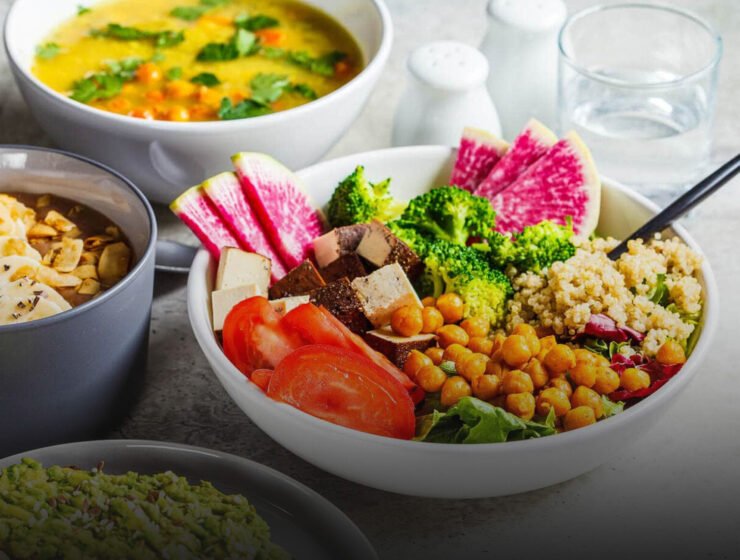
Roasted Vegetable Grain Bowls: Roast a variety of vegetables like sweet potatoes, bell peppers, and zucchini. Cook a large batch of a grain such as farro or bulgur. Combine the roasted vegetables and grains with a simple dressing for a meal that can be enjoyed hot or cold.

Incorporating batch cooking into your meal preparation routine can significantly simplify your week, ensuring you have nutritious meals ready with minimal daily effort.

Storage and Reheating: Preserving Freshness

Ensuring the longevity and quality of prepped meals is crucial for effective meal prep. Proper storage techniques can significantly enhance the freshness and palatability of your dishes throughout the week. Understanding the nuances between refrigeration and freezing is fundamental. Refrigeration is suitable for meals intended to be consumed within three to four days, while freezing is ideal for preserving meals over longer periods, up to several months.

It’s essential to employ airtight containers or quality freezer bags to prevent moisture loss and minimize the risk of contamination. Glass containers are particularly effective, as they are non-porous and do not absorb odors. When portioning meals for storage, aim for practical, single-serving sizes. This not only helps with portion control but also reduces waste and ensures quick, easy reheating.

Labeling your containers with the date and contents is a key aspect of meal prep. This practice prevents confusion and helps you keep track of the shelf life of each dish. Use a waterproof marker or stickers to ensure the labels remain legible even in storage and reheating processes.

Reheating prepped meals effectively is just as important as proper storage. For best results, allow refrigerated meals to come to room temperature for about 30 minutes before reheating. This helps to distribute heat evenly. When using a microwave, stir halfway through the heating process to avoid cold spots. For oven reheating, preheat the oven to around 350°F (175°C) and cover the dish with foil to preserve moisture and prevent drying out.

By following these best practices, you can maintain the freshness and quality of your prepped meals, ensuring they remain delicious and nutritious throughout the week. This approach not only saves time but also supports consistent healthy eating habits.

Staying Motivated: Tips for Consistency

Maintaining a consistent meal prep routine can be challenging for many individuals, but it is essential for achieving long-term success. The rewards of meal prepping – including healthier eating habits, time savings, and reduced stress – can significantly enhance one’s overall well-being. However, it’s common to face obstacles along the way, from initial overwhelming feelings to hitting plateaus. Here are some practical tips to stay motivated and consistent with meal prepping.

First, set clear and achievable goals. Having a target gives you a direction and purpose, making it easier to stay focused. Start small, maybe by prepping meals for just a couple of days a week, and gradually scale up. As you meet each goal, you’ll build confidence and momentum. Additionally, tracking progress can be immensely beneficial. Utilize a meal prep planner or a digital app to record your progress. Seeing your advancements over time can be incredibly motivating.

Overcoming common challenges, such as lack of time or creativity, is also crucial for consistency. Strategize to find pockets of time throughout your week for meal prepping. Perhaps do it on weekends when you may have extra time. To combat boredom, experiment with new recipes and ingredients to keep your meals exciting and diverse. Integrating variety will ensure you don’t get tired of eating the same meals repeatedly.

Additionally, reward yourself for your hard work. Establish a system where reaching certain milestones earns you a reward, be it a special treat, a new kitchen gadget, or even a day off from cooking. These rewards can serve as positive reinforcement, keeping you enthusiastic about maintaining your meal prep regimen.

To inspire you even further, learn from others who have successfully integrated meal prepping into their lifestyles. For instance, Jane, a busy working mom, shares, “Starting meal prepping transformed our hectic evenings into family time; the stress of cooking daily is now a thing of the past.” Or consider Mark, who says, “Meal prepping helped me meet my fitness goals more effectively as I had control over my calorie intake.”

Consistency in meal prepping is achievable with the right mindset and strategies. By setting realistic goals, embracing variety, and rewarding your efforts, you can make the meal prepping journey both enjoyable and sustainable.

Conclusion: The Long-Term Benefits of Meal Prepping

Incorporating meal prepping into your routine offers a multitude of long-term benefits that extend beyond mere convenience. One of the most significant advantages is improved health. By planning and preparing balanced meals ahead of time, you can ensure that you are consuming nutritious and well-portioned dishes. This practice can lead to better dietary habits, aiding in weight management and overall well-being.

Time management is another area where meal prepping shines. In today’s fast-paced world, finding time to cook daily can be challenging. Meal prepping allows you to dedicate specific time slots for cooking and organizing meals for the week, thus freeing up time for other essential activities. This structured approach not only minimizes daily stress but also reduces the likelihood of resorting to unhealthy fast food options due to time constraints.

Financial savings are another compelling reason to adopt meal prepping. Planning meals and buying groceries in bulk can significantly reduce food expenses. By having a clear list of ingredients, you can avoid impulse purchases and minimize food waste. This economical approach to food shopping and preparation can lead to substantial savings over time, making meal prepping a financially sound habit.

For those new to meal prepping, it’s important to start small and gradually build up your skills and confidence. Begin by prepping meals for a couple of days and then extend it to a week as you become more comfortable with the process. Be patient with yourself and understand that it takes time to develop an efficient system. As you continue, you will likely discover new recipes and techniques that make the process smoother and more enjoyable.

Ultimately, meal prepping is not just a task but a lifestyle change that offers long-lasting benefits. By investing time and effort into this practice, you can achieve a healthier diet, better time management, and significant financial savings, all while enjoying the journey of culinary creativity and self-improvement.

Comfort Food Classics: Recipes for Cozy Nights In

The Magic of Comfort Food

Comfort food transcends mere sustenance; it connects deeply with our emotions and memories. These beloved dishes often evoke a sense of nostalgia, taking us back to simpler times and familiar places. The very essence of comfort food lies in its ability to offer solace and warmth, particularly on cozy nights in when a touch of familiarity is most desired. Defined by their hearty and satisfying nature, comfort foods can range from a bowl of creamy macaroni and cheese to a hearty chicken soup.

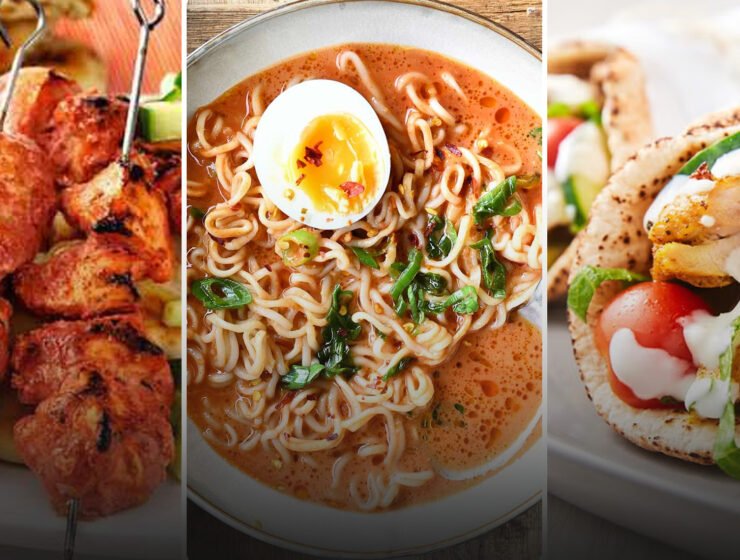
In many cultures, comfort food forms a pivotal part of tradition and rituals. For instance, in the United States, dishes like casseroles and pot roast are often associated with family gatherings and festive occasions, bringing loved ones together around the dining table. In contrast, countries like Japan have their own variations, such as bowls of ramen that embody comfort in every slurp. Each culture has its own rendition, yet all share a common thread: they provide emotional nourishment in addition to their caloric content.

People often gravitate towards these meals during times of stress or melancholy. The reason is twofold. Firstly, the rich flavors and hearty nature of these dishes provide immediate physical satisfaction. Secondly, and perhaps more importantly, they carry sentimental value, acting as a culinary bridge to the past, linking individuals to moments of joy and togetherness. Whether it’s a dish passed down through generations or a personal favorite from childhood, comfort foods act as a refuge, offering a temporary escape from daily hardships.

Indeed, the potency of comfort food in uplifting spirits and granting emotional respite cannot be overstated. As we dive into this collection of time-honored recipes, let us celebrate not just the ingredients and methods, but also the intangible warmth they bring into our lives. Embrace these classics and cherish the simple, yet profound, joy they offer during your nights in.

Hearty Soups and Stews: Warming Bowls of Goodness

As the temperature dips, there is nothing quite as comforting as a steaming bowl of soup or stew to warm you from the inside out. Classic recipes such as chicken noodle soup, beef stew, and creamy tomato basil soup are not only delicious but also versatile, enabling you to customize them according to personal preferences and dietary needs. These hearty meals embody the essence of comfort food, combining rich flavors and nourishing ingredients.

Chicken noodle soup is a timeless favorite, particularly effective at soothing on cold nights. Start with a base of chicken broth, then add bite-sized pieces of chicken, thick-cut carrots, celery, and egg noodles. Season with thyme and bay leaves for aromatic warmth. Not only does this soup provide a delightful, savory experience, but it also offers significant health benefits. Chicken is high in protein, while the vegetables contribute vitamins and minerals, making each bowl a well-rounded meal.

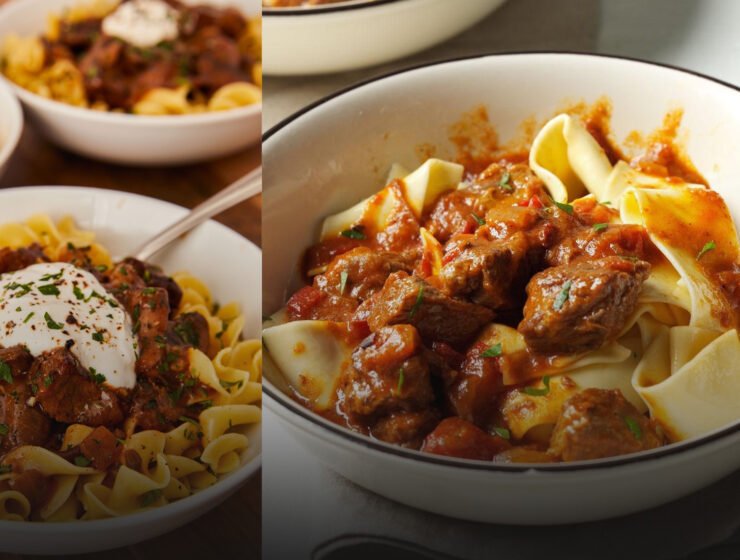
Beef stew stands out as another hearty option. Tender chunks of beef, slow-cooked with potatoes, carrots, and onions in a rich, savory gravy, create a robust meal that sticks to your ribs. For an added layer of flavor, incorporating red wine or Worcestershire sauce can elevate the overall taste. Slow-cooking ensures the beef becomes melt-in-your-mouth tender, and the vegetables absorb the intense flavors of the broth. This dish offers substantial portions of protein and dietary fiber, providing long-lasting energy and satiety.

For a creamier alternative, consider creamy tomato basil soup. This classic balances the acidity of tomatoes with the smoothness of cream, enhanced by fragrant basil. Begin by sautéing onions and garlic, then add canned or fresh tomatoes, chicken or vegetable broth, and allow to simmer before blending into a silky texture. A splash of cream and a garnish of fresh basil add the finishing touch. Tomatoes are rich in antioxidants like lycopene, beneficial for heart health, while the creamy base offers a comforting richness.

Variations of these dishes can be easily tailored to accommodate different dietary restrictions. For instance, gluten-free noodles can be used in chicken noodle soup, and vegetable broth can replace chicken broth for a vegetarian version of tomato basil soup. Additionally, adding or substituting various vegetables can introduce new textures and flavors, allowing you to create a unique bowl of comfort each time.

Savory Bakes: Casseroles and Pot Pies

When the temperatures dip and the evenings grow longer, there’s something undeniably comforting about a hearty baked dish fresh from the oven. Savory bakes like casseroles and pot pies epitomize cozy, wholesome meals that are perfect for family gatherings or quiet nights at home. The inviting aroma wafting through the house, the bubbly, golden crust, and the rich, flavorful fillings make these dishes true comfort food classics.

Macaroni and cheese, for instance, is a beloved staple that never fails to delight. A classic recipe might involve a creamy béchamel sauce, a blend of sharp cheddar and Gruyère cheeses, and a touch of Dijon mustard for depth. Once combined with al dente macaroni, it’s baked to perfection with a crispy breadcrumb topping, achieving a gratifying balance of textures that both adults and children adore.

Another cherished dish is shepherd’s pie. This hearty bake layers seasoned ground lamb or beef with sautéed onions and vegetables, typically carrots and peas, then blankets them with creamy mashed potatoes. A brush of butter atop the potatoes before baking yields a beautifully browned, slightly crisp surface that contrasts wonderfully with the savory filling beneath.

Chicken pot pie is yet another comforting classic, perfect for utilizing leftover roast chicken. The velvety filling consists of tender chicken pieces, peas, carrots, and a rich, thyme-scented gravy, all encased in a flaky, buttery pastry crust. Pre-made pie dough can simplify the process, making this dish an achievable weeknight dinner without sacrificing any of its homely charm.

For those with dietary restrictions, there are plenty of satisfying alternatives. A gluten-free macaroni and cheese can be made using gluten-free pasta and a béchamel thickened with cornstarch or tapioca instead of flour. Shepherd’s pie can be adapted for vegetarians with a filling of lentils or hearty mushrooms, and a dairy-free chicken pot pie can employ coconut milk for a creamy, comforting texture without traditional cream.

Ultimately, casseroles and pot pies shine as quintessential comfort foods for their ease of preparation and the unparalleled comfort they bring. They invite moments of togetherness and joy, providing warmth and satisfaction in every bite.

Pasta Perfection: Noodles that Soothe the Soul

Pasta dishes have long been the epitome of comfort food, offering both solace and satisfaction in each bite. These classic recipes stand the test of time, combining simple ingredients with rich flavors to create meals that truly warm the heart. Among the many beloved pasta recipes, lasagna, spaghetti carbonara, and fettuccine Alfredo hold special places in the realm of comfort food.

Lasagna, with its layers of pasta, savory meat sauce, creamy béchamel, and gooey cheese, is a dish that embodies indulgence. Despite its seemingly complex structure, lasagna is straightforward to prepare. The key lies in using fresh ingredients—homemade marinara sauce, fresh ground meats, and quality cheeses—which elevate the dish to new heights.

Spaghetti carbonara offers a different kind of comfort, with its velvety sauce created from eggs, Parmesan cheese, pancetta, and a touch of black pepper. This dish’s notable simplicity does not compromise on flavor; it’s a perfect marriage of creamy and savory, bringing utter satisfaction with every forkful. The success of this recipe hinges on technique—melding the hot pasta with the egg mixture to achieve that luscious, silky sauce.

Fettuccine Alfredo, a dish originally created in Rome, has become a staple in comforting pasta meals. Traditional Alfredo sauce, made from butter and Parmesan cheese, creates a rich, creamy coating for the fettuccine noodles. Adding a splash of pasta cooking water emulsifies the sauce, giving it an ideal consistency. Fresh, high-quality ingredients are non-negotiable for replicating this classic dish at home.

While these recipes are inherently rich and indulgent, they can be adapted for healthier versions without sacrificing their comforting essence. Whole grain pasta, lean proteins, and reduced-fat cheeses can be incorporated to create lighter versions of these classic dishes. Seasonal vegetables also add nutritional value and enhance flavors. The importance of fresh ingredients cannot be overstated, as they significantly affect the overall taste and quality of the dish.

In conclusion, to master these pasta dishes, one must pay close attention to ingredient quality and technique. Whether through lasagna, spaghetti carbonara, or fettuccine Alfredo, these comforting classics offer the perfect way to unwind on a cozy night in.

Classic Comfort Breakfasts: Starting the Day Right

There’s something inherently comforting about waking up to the enticing aroma of a hearty breakfast. Whether it’s the sizzle of golden-brown pancakes, the crispness of waffles, the rich, sweet notes of French toast, or the savory goodness of biscuits with gravy, these classic comfort breakfasts offer more than just sustenance—they provide a warm, nostalgic start to the day.

Pancakes, a timeless breakfast staple, can be effortlessly elevated by incorporating fresh berries, bananas, or a drizzle of pure maple syrup. For a nutritious twist, consider using whole wheat flour or adding a touch of cinnamon to the batter. Waffles, with their delightful crunch, are equally versatile. Experiment with different toppings, such as whipped cream, nuts, or even a dollop of yogurt for a balanced meal that feels luxurious yet nourishing.

French toast is another beloved classic, made by immersing slices of bread in a mixture of beaten eggs, milk, and a hint of vanilla. To add a nutritious spin, opt for whole grain or multigrain bread and sprinkle some chia seeds or flaxseeds into the egg mixture. This simple adjustment can boost the nutritional content while maintaining the decadent flavor that makes French toast a morning favorite.

Biscuits with gravy epitomize comfort food, especially when served warm and flaky with a rich, velvety sauce. To enhance the nutritional value, whole grain biscuits can be substituted for traditional ones and the gravy can be lightened using low-fat milk and lean sausage. Adding herbs and spices, like sage or thyme, can further enrich the flavor without additional calories.

Adding fresh fruits, such as berries, sliced melons, or even a medley of citrus, can brighten up these comfort breakfasts, making them not just indulgent but also healthy. For an extra special touch, a sprinkle of powdered sugar, a splash of high-quality syrup, or a dash of chocolate shavings can transform these dishes into a morning feast that feels both familiar and exquisite. Thus, starting the day with a classic comfort breakfast not only provides warmth and satisfaction but sets a cozy, uplifting tone for the rest of the day.

Decadent Desserts: Sweet Endings

No comfort food journey is truly complete without the indulgence of classic desserts. These timeless sweets not only bring joy but serve as the perfect ending to a cozy night in. Among the favorites taking center stage in any comfort food repertoire are apple pie, chocolate chip cookies, and bread pudding. Each offers its unique blend of flavors and textures, providing a satisfying conclusion to any meal. Let us explore these beloved desserts and the essential tips for achieving the ideal balance of sweet and satisfying.

Apple pie stands out as an all-time favorite in the realm of comfort desserts. The marriage of tart apples, warm spices, and flaky pastry creates an irresistible treat. To achieve the best results, use a variety of apples like Granny Smith and Honeycrisp for a balanced flavor and texture. Par-baking the crust ensures it remains crisp even after the filling is added. For a twist, try adding a crumb topping or serving the pie with a scoop of vanilla ice cream.

Chocolate chip cookies hold a universal appeal, cherished for their crispy edges and gooey centers. The secret to perfecting these cookies lies in using quality chocolate and balancing the ingredients. Incorporate a mix of brown and white sugar for a deeper flavor and soft texture. Chilling the dough before baking can help prevent the cookies from spreading too much, resulting in a thicker, chewier consistency. For those with dietary restrictions, substitute regular flour with almond flour and use dairy-free chocolate chips.

Bread pudding, a delightful way to repurpose stale bread, offers a creamy, custardy delight. Choose bread like brioche or challah for a rich base. The addition of ingredients such as raisins, cinnamon, and a splash of bourbon elevates the dish. To cater to different dietary needs, consider using coconut milk in place of regular milk for a dairy-free version, and opt for a natural sweetener like maple syrup instead of sugar.

These classic desserts not only provide comfort but also allow for creativity and adaptation. By experimenting with variations and catering to different dietary requirements, these recipes can be enjoyed by everyone, ensuring sweet and satisfying endings to any meal.

Healthy Comfort: Nutritious Twists on Classic Dishes

Embarking on a journey to balance comfort food indulgence with a healthy lifestyle can be incredibly satisfying. Classic dishes, renowned for their hearty and rich flavors, can be thoughtfully transformed into healthier alternatives without compromising on taste or comfort. Integrating more vegetables, whole grains, and lean proteins can result in nutritious versions of beloved favorites.

Take vegetable lasagna, for example. By substituting traditional pasta sheets with thinly sliced zucchini or eggplant, you can reduce the carbohydrate content and add a substantial nutrient boost. To keep the classic flavors intact, layering with a rich tomato sauce, low-fat ricotta, and plenty of fresh herbs and spices ensures a delectable outcome. Using whole grain or gluten-free pasta is another viable option for those seeking additional fiber and dietary variety.

Another ideal comfort food makeover is cauliflower mac and cheese. By incorporating blended cauliflower into the cheese sauce, you retain the creamy texture of traditional mac and cheese while significantly reducing calories and enhancing the dish’s nutritional profile. Adding whole grain pasta and topping with a hint of nutritional yeast can further elevate the health benefits and mouthwatering flavors of this classic dish.

Turkey chili presents yet another opportunity to enjoy comfort food with a healthy twist. Lean ground turkey is a fantastic substitute for ground beef, offering lower fat content while maintaining the robust flavors that chili is known for. Enriching the chili with an array of colorful vegetables like bell peppers, tomatoes, and sweet potatoes not only boosts its nutritional value but also adds a delightful texture and taste. Including whole grains like quinoa or brown rice can further enhance the meal, providing a hearty yet balanced composition.

Incorporating these healthier variations into traditional comfort food recipes emphasizes the importance of mindful eating and maintaining balance. Such adaptations support overall well-being and can be deeply rewarding, allowing one to savor comforting meals without neglecting nutritional goals. Embracing these nutritious twists ensures that comfort food remains a beloved part of a healthy lifestyle.

Tips for Creating the Perfect Cozy Night In

Creating a cozy night in starts with setting the right atmosphere, turning an ordinary evening into a comforting retreat. One of the simplest ways to achieve this is by lighting candles. Opt for a mix of soft, warm lighting with scented candles to evoke a sense of tranquility. Scents such as vanilla, cinnamon, or lavender can enhance the comforting ambiance, enveloping your space in a soothing aroma that complements cozy comfort food perfectly.

Music also plays a crucial role in creating a serene environment. Choose soft, melodic tunes that can subtly underscore the evening without overwhelming the conversation or moments of quiet. Instrumental jazz, classical pieces, or acoustic tracks can provide a gentle backdrop that enhances relaxation and enjoyment.

The right beverages can elevate your cozy night in. A steaming cup of hot chocolate, a glass of fine wine, or herbal tea can be the perfect companions to your comfort meal. These drinks not only pair well with classic comfort foods but also contribute to the overall warmth and relaxation of the evening.

But beyond these elements, the essence of a cozy night in lies in taking the time to unwind and savor the experience. Encourage a mindset of relaxation, free from daily stresses or distractions. Turn off or silence digital devices to minimize interruptions, allowing yourself to be fully present in the moment. Engage in enjoyable activities such as playing board games, reading a good book, or watching a favorite movie.

Ultimately, the goal is to create a sanctuary within your home, where comfort food and a peaceful atmosphere meet. By focusing on lighting, music, beverages, and, most importantly, your mental presence, you can transform an evening into a memorable and restorative experience, perfect for recharging and relishing the simple joys of a cozy night in.

The Rise of Plant-Based Eating : Benefits and Recipes

Introduction to Plant-Based Eating

Plant-based eating refers to a dietary approach that emphasizes consuming whole, minimally processed foods derived from plants, which includes fruits, vegetables, grains, nuts, seeds, and legumes. Unlike veganism, which strictly avoids all animal products, plant-based diets may still permit occasional consumption of animal products, but the emphasis remains heavily on plant-derived foods.

The growing popularity of plant-based eating has been significant in recent years, largely driven by an increasing awareness of its potential health benefits. Scientific studies have demonstrated that plant-based diets can contribute to lower risks of chronic diseases, such as heart disease, diabetes, and certain types of cancer. Furthermore, plant-based eating is often associated with improved weight management and better overall nutritional intake.

In addition to personal health benefits, environmental concerns have also fueled interest in plant-based diets. The production of plant-based foods generally requires fewer natural resources and emits fewer greenhouse gases compared to animal-based food production. This has led many individuals to adopt plant-based eating as a means of reducing their carbon footprint and contributing to sustainable food systems.

As more people become informed about the advantages of plant-based eating, a range of plant-based products and recipes have accordingly emerged in the market, catering to diverse tastes and dietary needs. This increased availability and variety make it easier for individuals to transition to and maintain a plant-based diet.

In the following sections, we will explore the health benefits in more detail, provide some practical tips for adopting a plant-based diet, and share delicious plant-based recipes that demonstrate how flavorful and satisfying this way of eating can be. Whether you are considering a complete dietary overhaul or simply looking to incorporate more plant-based meals into your routine, this guide will offer valuable insights and inspiration.

Health Benefits of Plant-Based Eating

Transitioning to a plant-based diet has been linked to a multitude of health benefits, as demonstrated by numerous scientific studies and supported by leading health experts. One of the most significant benefits is the reduced risk of chronic diseases. For instance, a comprehensive study published in the Journal of the American Heart Association noted that individuals who follow a diet rich in fruits, vegetables, whole grains, and legumes are significantly less likely to develop heart disease. This dietary pattern helps to maintain healthy cholesterol levels and reduce blood pressure.

Furthermore, plant-based diets are associated with a lower risk of certain types of cancer. Research highlighted in the American Journal of Clinical Nutrition revealed that populations with high consumption of plant-based foods exhibit lower incidences of colorectal, breast, and prostate cancers. The high levels of antioxidants, fiber, and phytochemicals found in plant-based foods are believed to play a pivotal role in neutralizing harmful free radicals and promoting cellular health.

Another critical advantage of plant-based eating is improved digestion and gut health. Consuming a variety of fiber-rich foods such as fruits, vegetables, and whole grains enhances the growth of beneficial gut bacteria. This is crucial for maintaining a balanced gut microbiome, which plays a vital role in nutrient absorption and immune function. A study from the World Journal of Gastroenterology highlighted that individuals on plant-based diets reported fewer digestive issues, including constipation and bloating.

Weight management is another area where plant-based diets excel. Due to their high fiber and nutrient density, these diets tend to be lower in calories yet more filling, which can aid in weight loss and prevent obesity. A publication in Obesity Reviews found that plant-based eaters generally have a lower body mass index (BMI) compared to those consuming animal-based products, attributing this to the lower calorie intake and higher satiety levels from plant foods.

Finally, there’s growing evidence to suggest that a plant-based diet can enhance mental clarity and mood. Foods rich in vitamins, minerals, and omega-3 fatty acids, such as leafy greens, nuts, and seeds, are essential for brain health. According to a study in the Nutrition Journal, individuals who adopt a plant-based diet report better overall mental wellbeing, reduced anxiety, and fewer symptoms of depression.

Environmental Impact of Plant-Based Diets

Adopting a plant-based diet offers significant environmental advantages, contributing positively to sustainability and ecological balance. One of the most notable benefits is the reduction in greenhouse gas emissions. Studies indicate that livestock farming is responsible for approximately 14.5% of global greenhouse gas emissions, with cattle alone accounting for 65% of those emissions. By shifting to plant-based eating, individuals can help decrease the carbon footprint attributable to food production.

Another critical aspect is water usage. Animal agriculture is highly water-intensive compared to plant-based farming. Producing one kilogram of beef, for instance, requires an estimated 15,000 liters of water, whereas the same amount of some plant-based foods, such as potatoes or tomatoes, requires only 290 and 180 liters respectively. Thus, plant-based diets significantly lower the demand for freshwater resources, which is crucial in regions facing water scarcity.

Plant-based eating also plays a role in reducing deforestation. The expansion of agricultural land for livestock feed crops, such as soy and maize, is a primary driver of deforestation, particularly in regions like the Amazon rainforest. By reducing the demand for animal-based products, there is less pressure to convert forests into farmland, thereby preserving these vital ecosystems and the myriad species that call them home.

Furthermore, plant-based diets help conserve biodiversity. Monoculture farming, often linked to animal feed production, can diminish soil health and reduce habitat diversity. In contrast, diversified plant farming can support a wider variety of species and promote soil regeneration. This not only sustains agricultural productivity but also ensures the survival of crucial native species and the overall health of the environment.

In summary, the shift towards plant-based diets has clear and measurable benefits for the environment. From reducing greenhouse gas emissions and conserving water to preventing deforestation and protecting biodiversity, plant-based eating is a powerful tool for fostering a more sustainable and resilient planet.

Common Myths and Misconceptions

When exploring the concept of plant-based diets, a number of myths and misconceptions often surface, potentially deterring individuals from adopting this nutritious and sustainable way of eating. One of the most prevalent myths is the concern about protein intake. Many believe that plant-based diets are deficient in protein, which is fundamentally untrue. Numerous plant-based foods, such as legumes, lentils, chickpeas, tofu, and quinoa, are rich in protein, providing ample amounts to meet daily nutritional requirements. Incorporating a variety of these sources ensures balanced and sufficient protein intake.

Another widespread misconception revolves around nutrient deficiencies. It’s a common belief that plant-based diets are lacking essential nutrients, such as vitamin B12, iron, and omega-3 fatty acids. While it’s true that certain nutrients are found in abundance in animal products, plant-based eaters can still obtain these vital nutrients through careful planning and mindful choices. Fortified foods, such as plant-based milks or cereals, provide vitamin B12, while iron can be found in leafy greens, beans, and seeds combined with vitamin C-rich foods to enhance absorption. Additionally, flaxseeds, chia seeds, and walnuts are excellent plant-based sources of omega-3 fatty acids.

Lastly, the notion that plant-based meals are bland or unsatisfactory is another significant misconception. Plant-based cuisine offers a rich tapestry of flavors and textures, thanks to a wide array of fruits, vegetables, grains, and spices. International culinary traditions showcase how plant-based dishes can be both flavorful and fulfilling. From vibrant salads and hearty stews to spicy curries and comforting pasta dishes, plant-based eating is far from boring. Experimentation with herbs, spices, and cooking techniques uncovers a world of delicious, satisfying, and healthful meal options.

By dispelling these myths and providing factual information, we can alleviate concerns and encourage more individuals to embrace the diverse and nutritious landscape of plant-based eating.

Getting Started with Plant-Based Eating

Embarking on a journey towards plant-based eating can seem daunting at first, but with a few strategic steps, it can be smooth and rewarding. One effective approach is to gradually phase out animal products from your diet. Begin by replacing meat and dairy in your meals with plant-based alternatives. For example, you can substitute hamburgers with bean burgers or tofu and swap cow’s milk for almond or oat milk. This gradual transition allows your palate and lifestyle to adjust without feeling overwhelmed.

Stocking your pantry with essential ingredients is pivotal for maintaining a plant-based diet. Key staples include whole grains such as quinoa, brown rice, and oatmeal, which provide a hearty base for meals. Legumes, including lentils, chickpeas, and black beans, are excellent sources of protein. Fresh and frozen fruits and vegetables, nuts, seeds, and a variety of herbs and spices are crucial for flavor and nutrition. Having these on hand ensures you can always prepare a nutritious, plant-based meal, even on short notice.

Strategic meal planning can simplify your transition to plant-based eating. Begin by planning your meals for the week, focusing on plant-based recipes. Cook in bulk and reuse leftovers creatively to save time and effort. For example, a pot of chili can be used in tacos, over baked potatoes, or in a hearty salad. Additionally, embracing a variety of cuisines, such as Mediterranean, Asian, and Middle Eastern, can expose you to a wealth of plant-based dishes to keep your meals exciting and varied.

Affordability is a common concern, but plant-based eating can be budget-friendly. Purchasing ingredients like beans, lentils, and whole grains in bulk can significantly reduce costs. Seasonal produce is typically cheaper and more flavorful. There are many budget-friendly recipes available that make use of these economical ingredients, from simple vegetable stir-fries to wholesome soups and stews.

Incorporating these practical tips can make your transition to plant-based eating healthier, more manageable, and enjoyable, setting a solid foundation for a sustainable lifestyle change.

Essential Nutrients in a Plant-Based Diet

Ensuring that a plant-based diet is nutritionally balanced necessitates an understanding of essential nutrients and their sources. A well-rounded plant-based diet can provide all the necessary nutrients if planned thoughtfully. Key nutrients that often need special attention include protein, iron, calcium, vitamin B12, and omega-3 fatty acids.

Protein is crucial for muscle repair and overall health. Excellent plant-based protein sources include lentils, chickpeas, black beans, quinoa, tofu, tempeh, and nuts. A balanced diet incorporating a variety of these protein-rich foods can easily meet daily protein requirements without any animal products.

Iron plays a vital role in oxygen transport and energy production. Plant-based iron sources include lentils, chickpeas, spinach, pumpkin seeds, and fortified cereals. Consuming vitamin C-rich foods such as bell peppers, citrus fruits, and strawberries alongside iron-rich foods can enhance iron absorption, making it an effective strategy for ensuring adequate iron intake.

Calcium is essential for bone health, and plant-based food options like fortified plant milks (almond, soy, and rice milk), tofu, kale, broccoli, almonds, and tahini can help meet calcium needs. Ensuring a variety of these foods in daily meals can provide the necessary calcium for maintaining strong bones.

Vitamin B12 is primarily found in animal products, making it a nutrient of concern for those on a plant-based diet. Fortified foods such as plant-based milks, breakfast cereals, and nutritional yeast, or a B12 supplement, are essential to compensate for the lack of naturally occurring vitamin B12 in plant foods.

Omega-3 fatty acids, which support heart and brain health, are typically sourced from fish. However, plant-based sources include flaxseeds, chia seeds, hemp seeds, and walnuts. Incorporating these foods into salads, smoothies, and baked goods can help ensure sufficient omega-3 intake.

By diversifying food choices and incorporating a variety of nutrient-rich plants into daily meals, it is entirely feasible to maintain a nutritionally balanced plant-based diet. Being mindful of these essential nutrients helps prevent deficiencies and supports overall well-being.

Delicious Plant-Based Recipes to Try

With the increasing awareness about the benefits of plant-based eating, there has never been a better time to explore delicious recipes that cater to this lifestyle. Transitioning to plant-based eating can be seamless and delightful with an array of diverse recipes for every meal. Here, we offer a variety of breakfast, lunch, dinner, and snack ideas that are not only nutritious but also cater to different tastes and dietary needs.

Breakfast

Kickstart your day with a wholesome and satisfying breakfast. Try a Chia Seed Pudding by mixing chia seeds with almond milk, a sweetener of your choice, and fresh berries. Let it sit overnight for a ready-to-eat morning meal. For something warm, a Tofu Scramble made with crumbled tofu, colorful vegetables, and a pinch of turmeric is both filling and flavorful, mimicking a traditional scrambled eggs dish.

Lunch

Enjoy a hearty lunch with a Quinoa Salad. Combine cooked quinoa with cucumbers, cherry tomatoes, red onions, black beans, corn, and a zesty lime vinaigrette. This salad is perfect for meal prep and can be eaten cold or at room temperature. Alternatively, a Roasted Vegetable Wrap filled with oven-roasted sweet potatoes, bell peppers, onions, hummus, and spinach offers a burst of flavors and a fulfilling texture.

Dinner

Dinner can be both delectable and elaborate with a Vegetable Stir-Fry. Sauté a mix of broccoli, bell peppers, snap peas, and carrots in a savory soy-ginger sauce, served over brown rice or noodles. For special occasions, try a Stuffed Bell Peppers filled with a mixture of brown rice, black beans, corn, tomatoes, and spices, baked to perfection and topped with a vegan cheese alternative.

Snacks

For snacking, keep it simple yet nutritious. Try Roasted Chickpeas seasoned with smoked paprika, garlic powder, and sea salt for a crunchy and satisfying treat. Another option is Avocado Toast spread on whole grain bread and topped with cherry tomatoes, radishes, and a sprinkle of hemp seeds for an added nutrient boost.

Embracing plant-based eating is a journey filled with colorful, nutrient-rich, and tasty options for every meal. These recipes not only make plant-based meals accessible but also ensure you never compromise on flavor or variety.

Success Stories and Inspirations

Transitioning to a plant-based diet can be a transformative journey, and there is no shortage of inspiring success stories from individuals who have made the change. Take, for instance, John Matthews, a 45-year-old software engineer. John struggled for years with obesity and high cholesterol. After his doctor’s recommendation, John decided to switch to a plant-based diet focusing on whole foods, fruits, and vegetables. Within six months, John lost 50 pounds, his cholesterol levels significantly improved, and he reported having more energy and a clearer mind than ever before.

Another remarkable story is that of Sarah Kim, a young mother who battled chronic fatigue and digestive issues. After numerous unsuccessful attempts with various diets, Sarah explored plant-based eating. Initially, she faced challenges, such as learning new recipes and combatting cravings for her favorite non-plant-based foods. However, the benefits were soon evident. Sarah’s energy levels soared, her digestive issues subsided, and she also noticed an improvement in her skin health and mood. The plant-based diet played a crucial role in restoring her overall well-being.

Then there’s the story of Mark and Lisa Thompson, who embraced plant-based eating as a couple. Both were long-time meat lovers but decided to embark on this new path together after learning about the environmental and health benefits. Their journey wasn’t without its hurdles; they faced social pressures and had to navigate their way through plant-based meal prepping. Still, the couple persevered, and now both report improved cardiovascular health, reduced inflammation, and deeper connection through shared cooking and dining experiences.

These anecdotes and success stories serve as powerful testaments to the positive impacts of adopting a plant-based diet. They highlight personal growth, significant health improvements, and the challenges overcome along the way. By showcasing real-life examples, we hope to motivate and inspire readers to consider the potential benefits of incorporating more plant-based foods into their daily regimen.

Exploring World Cuisines: Recipes from Around the Globe

Introduction to Global Cuisines

In a rapidly globalizing world, delving into the diverse array of global cuisines offers more than just new flavors to savor; it provides a gateway to understanding the rich tapestry of cultures, traditions, and histories that shape our societies. Exploring world cuisines is akin to embarking on a culinary journey, where each dish tells a story of its roots, environment, and the people who perfected it over generations. Food is a universal language, and by immersing ourselves in the different recipes and cooking techniques from around the globe, we not only broaden our palates but also promote cultural appreciation and connection.

The joy of discovery inherent in this culinary exploration cannot be overstated. Each cuisine introduces unique ingredients and methods that can transform our cooking perspectives. Take, for instance, the robust spices of Indian curry, the intricate techniques of French patisserie, or the simplicity of Japanese sushi – each brings a novel approach to dining that can reinvigorate our taste buds and cooking style. It is this exhilaration of uncharted tastes and the amalgamation of various culinary traditions in our daily meals that enriches our gastronomic adventures.

Moreover, the significance of world cuisines stretches beyond mere sustenance; they are indicative of historical events, migration patterns, and cultural exchanges. The fusion of flavors in Southeast Asian cuisine, for example, reflects centuries of trade and colonization, while the hearty stews of Eastern Europe speak to the region’s agrarian past. Through understanding and experimenting with these recipes, we gain a deeper insight into the life and heritage of distant communities, fostering empathy and global unity.

As we embark on this exploration of world cuisines, we invite you to open your kitchen to the myriad of possibilities that await. Embrace the culinary diversity, experiment with new ingredients, and relish the distinctive flavors that world cuisines bring to the table. Such an endeavor promises not only a more varied and enjoyable eating experience but also a more profound appreciation for the cultures that contribute to our shared human heritage.

Asian Cuisine: Aromatic and Flavorful Dishes

Asian cuisine is celebrated for its diverse and robust flavors, owing to a rich tapestry of culinary traditions from East Asia, Southeast Asia, and South Asia. These regions each bring unique ingredients, cooking methods, and cultural histories that have shaped their distinct dishes, which have captivated palates worldwide.

Chinese cuisine, originating from one of the world’s oldest culinary traditions, offers dishes like Kung Pao Chicken. This iconic Szechuan dish, characterized by its bold use of spices, features stir-fried chicken with peanuts, vegetables, and chili peppers. The dish’s history traces back to the Qing Dynasty, where it was named after Ding Baozhen, a governor of that era, often referred to as “Gong Bao.” Its aromatic and spicy flavor profile makes it a favorite in Chinese cuisine.

Moving to Japan, sushi exemplifies the delicate and artistic approach to food that underpins Japanese culinary traditions. Sushi, particularly its modern form, gained prominence in the Edo period through street vendors. Nigiri sushi, a popular style, consists of small rice balls topped with various fresh fish or seafood. Traditional ingredients like pickled ginger and wasabi not only enhance the taste but also serve historical preservation and health purposes.

Thai cuisine, known for its harmonious blend of sweet, sour, salty, and spicy flavors, offers dishes like Green Curry (Gaeng Keow Wan). This dish features a creamy and aromatic coconut milk-based curry, with ingredients such as green curry paste, bamboo shoots, eggplant, and Thai basil. Its origins lie in Central Thailand, and it is celebrated for its balance of vibrant flavors.

Indian cuisine, rich with varied spices and herbs, provides globally cherished dishes like Butter Chicken (Murgh Makhani). Originating from Delhi, it was created in the early 20th century by accident, when leftover chicken was cooked in a creamy tomato sauce. Today, its velvety texture and mildly spiced flavor make it a staple in Indian restaurants around the world.

These dishes illustrate not just the richness of Asian cuisine but also their deep cultural significance and historical roots. Through the recipes and stories of Kung Pao Chicken, sushi, Thai Green Curry, and Butter Chicken, we gain insight into the heritage and diversity that define Asian culinary traditions.

European Delicacies: A Tour of Continental Flavors

The culinary landscape of Europe is a rich tapestry, weaving together centuries of history, culture, and innovation into a delightful spectrum of flavors. European cuisine is celebrated for its diversity, with each country offering distinct and sophisticated dishes that have stood the test of time. Let’s embark on a gastronomic journey through Italy, France, Spain, and Germany to explore some quintessential recipes that epitomize the essence of each nation’s culinary tradition.

Italy, renowned for its remarkable pasta dishes, brings us the classic Pasta Carbonara. This beloved Italian recipe, originating from the Lazio region, combines pasta with a creamy sauce made of eggs, Pecorino Romano cheese, pancetta, and pepper. Its simplicity highlights the finesse of Italian culinary craftsmanship, where high-quality ingredients and meticulous technique create an unforgettable experience on the palate.

From the charm of Italy, we venture to the culinary sophistication of France. Coq au Vin, a traditional French dish, symbolizes the art of French cooking. This recipe involves braising chicken with wine (often Burgundy), lardons, mushrooms, and garlic. The slow cooking process melds these ingredients into a harmony of rich and complex flavors, elevating rustic ingredients into an elegant feast synonymous with French gastronomy.

Our next stop is Spain, home to the vibrant and flavorful Paella. Hailing from the Valencia region, Paella showcases Spain’s love for communal and festive dining. Traditionally cooked in a wide, shallow pan, this dish combines rice with a medley of ingredients including seafood, chicken, rabbit, and an array of vegetables, all perfectly seasoned with saffron and paprika. The result is a colorful and aromatic centerpiece that captures the heart of Spanish cuisine.

Finally, we arrive in Germany, where hearty and robust flavors dominate. German Bratwurst, a type of sausage typically made with pork, beef, or veal, is a staple in German cuisine. Often seasoned with caraway, nutmeg, and ginger, these sausages are grilled to perfection and enjoyed with mustard and sauerkraut. Bratwurst captures the essence of German cooking: comfort food that is flavorful and hearty.

Each of these dishes—Pasta Carbonara, Coq au Vin, Paella, and Bratwurst—offers a window into the rich culinary traditions of Europe. They reflect the diverse techniques and cultural influences that have shaped European cuisine into one of the most beloved and varied gastronomic landscapes in the world.

The Mediterranean diet has gained widespread recognition for its remarkable health benefits and its delectable flavors. Characterized by a high consumption of fresh vegetables, olive oil, and lean proteins, this diet not only delights the palate but also promotes well-being and longevity. Central to the Mediterranean diet are dishes like Greek Moussaka, Lebanese Falafel, Turkish Baklava, and Moroccan Couscous, each reflecting the rich culinary heritage of the Mediterranean region.

Greek Moussaka

Starting with Greek Moussaka, this dish is a comforting casserole made of layers of minced meat, sliced eggplant, and a bechamel sauce. The combination of savory, creamy, and herbaceous flavors makes it a beloved staple. Ingredients like olive oil and fresh vegetables underscore the diet’s emphasis on wholesome, unprocessed foods.

Lebanese Falafel

Lebanese Falafel showcases another facet of the Mediterranean diet. Made from ground chickpeas or fava beans mixed with herbs and spices, these crispy balls are typically served in pita bread with fresh vegetables and tahini sauce. Falafel’s high protein content and rich fiber contribute to its nutritional benefits, making it a popular choice for both vegetarians and meat-eaters alike.

Turkish Baklava

Desserts also play a role in this balanced diet. Turkish Baklava, a sweet pastry made of layers of filo dough filled with chopped nuts and sweetened with honey or syrup, provides a delightful end to any meal. Although indulgent, it is often enjoyed in moderation, aligning with the Mediterranean approach to eating.

Moroccan Couscous

Finally, Moroccan Couscous epitomizes the diet’s reliance on grains and fresh produce. This dish features steamed couscous topped with a mélange of vegetables and sometimes lean meat, all flavored with exotic spices. It is both hearty and nutritious, reflecting the diet’s ability to be satisfying while still being health-conscious.

Research consistently shows that the Mediterranean diet can lead to numerous health benefits, including reduced risk of heart disease, improved blood sugar control, and enhanced mental health. Its incorporation of fresh, whole foods and a balanced approach to eating is not just a diet but a lifestyle that promotes overall health and longevity.

Latin American Cuisine: Spice and Passion

The diverse culinary traditions of Latin America boast vibrant and flavorful dishes, deeply rooted in local culture and history. At the heart of Latin American cuisine lies the creative use of spices and herbs, alongside unique cooking methods that define and distinguish the region’s gastronomic identity. Each plate not only tells a story of heritage and tradition but also presents an opportunity to savor the excitement and passion of Latin American culinary arts.

Mexican cuisine is renowned globally, with tacos standing as one of its most celebrated dishes. The classic Mexican taco can vary significantly across regions but generally features a soft corn tortilla filled with an array of ingredients such as seasoned meat, fresh vegetables, and a punchy salsa. The harmonious blend of cumin, chili powder, and other spices creates an explosion of flavors, making tacos a beloved dish worldwide.

Moving southward, Brazilian cuisine offers the hearty feijoada, a rich stew of beans with beef and pork. Traditionally served with rice, collard greens, and oranges, feijoada showcases Brazil’s agricultural bounty and the influence of Portuguese, African, and indigenous culinary practices. This dish is more than a meal; it is an integral part of Brazilian culture, often enjoyed during family gatherings and national celebrations.

Argentinian empanadas, another staple of Latin American cuisine, are savory pastries filled with a variety of ingredients such as minced beef, onions, hard-boiled eggs, and olives. Each bite of an empanada reveals layers of texture and flavor, displaying the perfect balance between a crispy exterior and a succulent filling. Empanadas are a versatile dish, enjoyed as street food or during festive occasions.

Peruvian ceviche, a refreshing and zesty dish, epitomizes the finesse of Latin American culinary techniques. Fresh fish marinated in citrus juices, typically lime or lemon, and spiced with chili peppers, onion, and cilantro, ceviche is a celebration of Peru’s coastal abundance and bold flavors. This dish not only highlights the freshness of local ingredients but also underscores the region’s inventive approach to cooking.

The culinary traditions of Latin America go beyond mere sustenance; they are a critical component of social and cultural expression. Festivals and everyday meals are opportunities to honor and share these cherished dishes, reflecting the spirit and soul of Latin American life. Through its cuisine, Latin America invites the world to experience its heartfelt and exuberant passion.

African Culinary Traditions: Rich and Diverse Flavors

Africa’s culinary landscape is as diverse as its cultures and histories, with each region presenting a unique flavor profile that is deeply rooted in local traditions. The continent’s cuisine is a vibrant tapestry of flavors, ingredients, and cooking methods that come together to tell the stories of its people.

Nigerian Jollof Rice is a staple dish that exemplifies the West African kitchen. This one-pot dish is famed for its vibrant red hue, derived from tomatoes, and a blend of spices including thyme, curry, and bay leaves. Its origins are steeped in West African history, particularly among the Wolof people of Senegal, and it has since become a beloved dish across many West African nations, each adding their twist to the recipe.

Heading east, Ethiopian cuisine offers a distinctive experience with Injera and Doro Wat. Injera is a sourdough flatbread made from teff flour, serving as both the base and utensil for various stews known as ‘wat’. Doro Wat, a spicy chicken stew with hard-boiled eggs, reflects Ethiopia’s deep appreciation for spice and heat. Traditionally enjoyed during special occasions, Doro Wat is often eaten communally, fostering a sense of togetherness and shared culture.

Moroccan Tagine, named after the earthenware pot in which it is cooked, showcases North African culinary sophistication. This slow-cooked stew features an aromatic combination of spices like cumin, coriander, saffron, and cinnamon, often coupled with meats, dried fruits, and nuts. Tagine is more than just a meal; it embodies the Moroccan approach to hospitality and communal dining.

Moving south, South African Bobotie presents a fusion of influences from Dutch settlers, Malaysian slaves, and indigenous African tribes. This baked dish combines minced meat, dried fruits, and a custard topping, reflecting the country’s rich, multicultural heritage. Traditionally served with yellow rice and sambal, Bobotie showcases how culinary practices adapt and blend to create new traditions.

Across Africa, food is not merely sustenance but a celebration of life, heritage, and community. Each dish tells a story, enriching our understanding of the continent’s rich culinary traditions and diverse flavors.

North American Favorites: Fusion and Innovation

North American cuisine is a vibrant tapestry woven from diverse cultural influences, melding traditional recipes with contemporary twists. This evolution has yielded unique dishes that have become staples in the culinary world. An emblematic example of this is American Barbecue Ribs, known for their slow-cooked tenderness and layered smokey flavor. The secret often lies in the marinade, which balances sweetness, spiciness, and umami from a blend of ketchup, brown sugar, apple cider vinegar, and chili powder, creating a complex taste profile.

Canadian Poutine stands as another testament to North America’s innovative spirit. This comfort food combines crispy fries, rich gravy, and cheese curds, offering a savory indulgence that has transcended its Quebecois roots. Recently, chefs have been adding their twists, such as pulled pork or foie gras, elevating the humble dish into gourmet territory.

New Orleans Jambalaya showcases the region’s Creole and Cajun influences beautifully. This hearty one-pot meal fuses Spanish, French, and African culinary traditions, blending sausage, chicken, shrimp, and a medley of spices with rice. The result is a zestful and aromatic dish that embodies the spirit of Louisiana’s vibrant cultural mosaic.

Then, there are the California Sushi Rolls, which epitomize the fusion concept. Originating in Los Angeles, these rolls are a Westernized adaptation of traditional Japanese sushi. They typically feature avocado, crab (or its imitation), and cucumber wrapped in nori and rice. This variant lacks raw seafood, making it more accessible to a broader audience while retaining the essence of sushi.

Beyond individual recipes, there’s a growing movement towards farm-to-table dining in North America. This trend emphasizes the use of locally-sourced, organic ingredients, supporting sustainable food systems and reducing carbon footprints. It has not only reshaped dining experiences but also sparked a deeper appreciation for seasonal and regional produce among chefs and consumers alike.

Tips for Cooking International Dishes at Home

Savoring the essence of global cuisines within the comfort of your home can be a delightfully enriching experience. To begin with, sourcing authentic ingredients is pivotal. Many specialized local stores and online marketplaces offer unique spices, condiments, and staples endemic to specific regions. Prioritizing high-quality ingredients can immensely elevate the authenticity of your dish, ensuring that the flavors are as close to the original as possible.

Embracing essential cooking techniques is equally crucial. For instance, mastering the art of stir-frying for Chinese cuisine, perfecting the simmering process for rich Indian curries, or grilling meats to precision for an authentic Brazilian barbecue, each technique plays an indispensable role in achieving the desired flavors and textures. Taking time to understand these techniques can significantly enhance your culinary prowess.

Equipping your kitchen with recommended tools can streamline the cooking process. A good wok, quality cast iron skillet, a mortar and pestle, or an immersion blender could be invaluable depending on the dish you’re preparing. These tools not only facilitate the cooking process but often are integral to achieving the authentic taste and presentation of international recipes.

Adapting recipes to accommodate dietary restrictions is another crucial aspect. Whether you’re substituting dairy products for vegan alternatives, using gluten-free flours, or finding suitable plant-based protein replacements, flexibility in your approach can ensure that everyone at the table enjoys the meal without compromising on flavor or authenticity.

Creating a global dining experience at home can extend beyond just the food. Setting the ambiance with appropriate cultural music, classic table settings, and even traditional drinking vessels can transport your dining experience. This immersive approach can make the experience particularly memorable and enjoyable for both you and your guests.

By incorporating these practical tips, you can seamlessly recreate international recipes in your kitchen, providing a window to the world through culinary exploration.

Introduction: The Importance of Healthy Eating

Maintaining a balanced and nutritious diet is a cornerstone of overall health and well-being. A diet rich in fruits, vegetables, lean proteins, and whole grains supports bodily functions, boosts the immune system, and combats chronic diseases. However, today’s fast-paced lifestyles often present obstacles to healthy eating, making convenience foods an appealing, albeit unhealthy, choice.

Many individuals find it challenging to adhere to a nutritious diet due to busy work schedules, family responsibilities, and social commitments. This incessant rush leaves little time for preparing meals, leading to reliance on fast food, processed snacks, and other quick-fix options that are typically high in unhealthy fats, sugars, and empty calories. The long-term consumption of such foods can result in numerous health issues, including obesity, cardiovascular diseases, and diabetes.

Given these challenges, the necessity for a viable solution becomes apparent. Integrating healthy eating into daily routines doesn’t have to be a daunting task. Simple, quick recipes emerge as an effective solution to bridge the gap between convenience and nutrition. These recipes are thoughtfully crafted to be time-efficient while retaining the essential nutrients required for a balanced diet. They cater to the demands of a hectic lifestyle, ensuring that wholesome meals can be prepared swiftly without compromising on health.

As we delve into various aspects of healthy eating and explore a range of quick and nutritious recipes, the goal is to demonstrate that maintaining a healthy diet is not only attainable but can also be seamlessly integrated into even the busiest of schedules. By adopting these practical and time-saving culinary practices, individuals can enjoy the multitude of benefits that come with a healthy diet, ultimately enhancing their quality of life.

Choosing Nutritious Ingredients

Selecting nutritious ingredients is the cornerstone of healthy eating and the first step in crafting wholesome meals. Focusing on whole foods, such as fruits, vegetables, lean proteins, and whole grains, is essential. These foods are rich in essential nutrients and free from the excess sugars, sodium, and unhealthy fats usually found in processed foods.

Fruits and vegetables should be a primary focus, as they provide vitamins, minerals, fiber, and antioxidants crucial for maintaining health. Lean proteins, like chicken, fish, beans, and legumes, are vital for muscle repair and overall body function. Whole grains, such as brown rice, quinoa, and oats, offer sustained energy and dietary fiber, supporting digestive health.

Understanding how to read nutrition labels is also vital. Look for items with minimal added sugars, sodium, and saturated fats. The ingredient list should be short and composed of recognizable items. Aim for foods where whole ingredients are listed first. Avoid items with long lists of artificial additives or those that are highly processed, as these often lack nutritional value.

Keeping a well-stocked pantry with versatile, nutritious staples can simplify meal preparation. Here are some essentials:

  • Whole grains: Quinoa, brown rice, whole wheat pasta, and oats.
  • Canned beans and legumes: Chickpeas, black beans, and lentils for a quick protein boost.
  • Nuts and seeds: Almonds, chia seeds, and flaxseeds for a healthy fat source.
  • Olive oil: High-quality extra virgin olive oil as a healthy fat for cooking and salads.
  • Herbs and spices: Basil, oregano, cumin, and cinnamon to add flavor without added salt or sugar.
  • Frozen fruits and vegetables: Convenient and nutrient-rich for smoothies and quick meals.

By prioritizing whole foods and keeping nutritious staples on hand, maintaining a healthy diet becomes easier, more practical, and sustainable in the long run.

Breakfast: Starting the Day with Energy

Breakfast is often hailed as the most important meal of the day, and for good reason. A balanced breakfast can kickstart your metabolism and provide the energy you need to tackle the day ahead. Incorporating proteins, healthy fats, and fibers into your morning meal can keep you full and satisfied while maintaining stable blood sugar levels. Here are a few quick and nutritious breakfast ideas to help you start your day right:

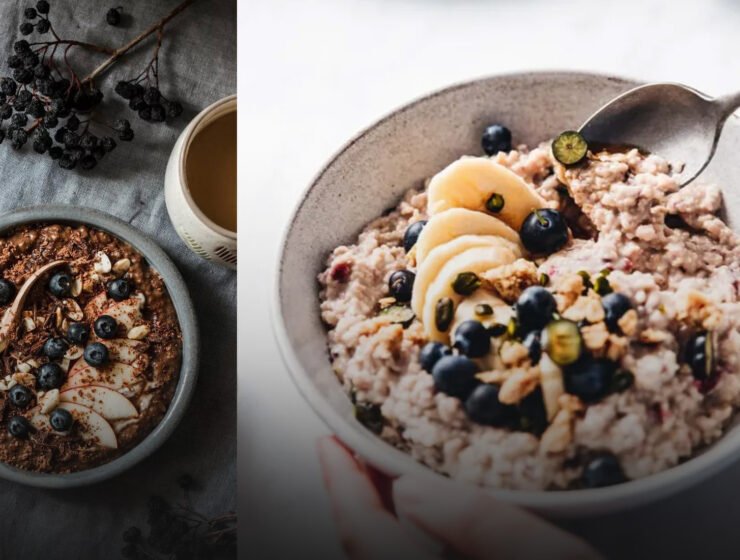
Overnight Oats: This easy, no-cook breakfast option can be prepared the night before, saving you time in the morning. Simply mix rolled oats with your choice of milk (dairy, almond, soy, etc.), and add in chia seeds for an extra fiber boost. For flavor, incorporate fruits like berries, bananas, or mangoes, and top with a handful of nuts or seeds. Let the mixture sit in the refrigerator overnight, and by morning, you’ll have a delicious, ready-to-eat meal.

Smoothies: Smoothies are a versatile way to pack a variety of nutrients into a single drink. Start with a base of your favorite liquid (water, milk, or juice), and add a combination of fruits and vegetables. Spinach and kale blend well and add an extra nutrient punch without altering the taste significantly. Enhance protein content by including Greek yogurt or a protein powder of your choice. A tablespoon of flaxseeds or chia seeds can introduce healthy fats and additional fiber. Blend all ingredients until smooth, and you have a nutritious breakfast that you can enjoy on the go.

Healthy Breakfast Wraps: For those who prefer a savory start, breakfast wraps can be both quick and satisfying. Use whole-grain tortillas to boost fiber content. Fill them with scrambled eggs or a tofu scramble for a plant-based option. Add avocado for healthy fats, and include vegetables such as bell peppers, spinach, and tomatoes. For extra flavor, sprinkle with a bit of cheese and your favorite herbs or spices. Wrap it up, and you’re ready to enjoy a balanced, energizing meal.

Starting the day with a balanced breakfast can make a significant difference in your overall energy levels and well-being. By incorporating easy-to-prepare, nutritious options like overnight oats, smoothies, and breakfast wraps, you ensure that your morning meal is both convenient and beneficial.

Snacking plays a pivotal role in maintaining energy levels and overall well-being throughout the day. It’s not merely about satisfying hunger; well-chosen snacks can contribute significantly to your daily nutritional intake, ensuring you stay energized and focused. Incorporating quick and healthy snacks into your routine can bridge the gap between meals, helping to prevent overeating and keeping your metabolism active.

Homemade Trail Mix

One excellent option for a nutrient-dense snack is homemade trail mix. Combining nuts, seeds, dried fruits, and a dash of dark chocolate, this mix offers a balanced blend of protein, healthy fats, and carbohydrates. Nuts and seeds are rich in essential nutrients like omega-3 fatty acids, fiber, and protein, which aid in satiety and sustained energy. Dried fruits provide a natural sweetness while contributing vitamins, minerals, and antioxidants.

Yogurt with Fresh Fruit

Yogurt paired with fresh fruit is another quick, wholesome snack that both tastes great and supports gut health. Opt for plain, unsweetened yogurt to avoid added sugars, and top it with a variety of fresh fruits such as berries, bananas, or apples. This combination delivers probiotics, essential for digestive health, along with a myriad of vitamins and fiber from the fruit. Including this snack in your diet can help maintain a balanced gut microbiome and provide a steady release of energy.

Vegetable Sticks with Hummus

Vegetable sticks served with hummus offer an easy and nutritious way to satisfy your hunger between meals. Veggies like carrots, celery, cucumbers, and bell peppers are low in calories but high in vitamins, minerals, and fiber. Pairing them with hummus, which is made from chickpeas, olive oil, and tahini, ensures an intake of healthy fats and protein. This snack not only helps in curbing hunger but also adds a variety of nutrients to your diet.

Balancing convenience and nutrition in snack choices is essential for sustaining energy levels and supporting overall health. Incorporating these quick, nutrient-dense options into your daily routine can make healthy eating easy and enjoyable, benefiting both your mind and body.

Lunch: Balanced and Satisfying Meals

Creating a nutritious and delicious lunch doesn’t have to be time-consuming. With a bit of preparation and the right ingredients, you can enjoy balanced and satisfying meals even on a tight schedule. One popular option is a grain bowl, a versatile dish that can be customized with a variety of ingredients to suit your taste and nutritional needs. Start with a base of quinoa, brown rice, or farro, then add a mix of colorful vegetables, such as roasted sweet potatoes, sautéed spinach, and cherry tomatoes. Incorporate a source of lean protein, like grilled chicken, chickpeas, or tofu, and top it off with a healthy fat, such as avocado slices or a drizzle of olive oil.

Salads are another quick and healthy choice for lunch. A well-constructed salad can be both satisfying and nutrient-packed. Begin with a variety of leafy greens, such as kale, arugula, or mixed lettuces. Add an assortment of vegetables, including cucumbers, bell peppers, and shredded carrots. For a protein boost, consider adding hard-boiled eggs, grilled shrimp, or beans. Sprinkle nuts or seeds for added texture and healthy fats, and finish with a dressing made from olive oil, lemon juice, and a pinch of salt and pepper. Meal prepping by chopping vegetables and pre-cooking proteins at the beginning of the week can significantly reduce preparation time.

Wraps offer another convenient and nutritious lunch option. Use whole-grain tortillas or lettuce leaves to wrap up your favorite ingredients. A simple yet flavorful combination can include grilled chicken, black beans, corn, shredded lettuce, and a dollop of Greek yogurt or salsa. For a vegetarian option, try a hummus and roasted vegetable wrap, filled with eggplant, zucchini, bell peppers, and feta cheese. Preparing wraps ahead of time and storing them in airtight containers can ensure a ready-to-go lunch that is both healthy and delicious.

By incorporating these quick and nutritious recipes into your routine, you can enjoy balanced midday meals without sacrificing taste or convenience. Meal prepping and selecting a variety of vegetables, proteins, and healthy fats can help streamline your lunch preparation and contribute to a more nutritious diet.

Dinner: Nutritious Meals in Less Time

Dinner often marks the culmination of a busy day, making it essential to prepare meals that are both quick and healthy. Fortifying your body with nutrient-dense dinners can be simple when you opt for one-pan meals, stir-fries, and sheet-pan dinners. These versatile cooking methods allow for a variety of vegetables and lean proteins to be integrated seamlessly, ensuring a balanced diet.

One-pan meals are a family favorite due to their simplicity and minimal cleanup. Start with a base of mixed vegetables—such as bell peppers, zucchini, and broccoli— and add a lean protein like chicken breast or tofu. Drizzle with olive oil, sprinkle with your favorite herbs and spices, and bake everything together. In just 30 minutes, you have a wholesome dinner ready to serve.

Stir-fries offer another delicious and quick avenue for dinner. Begin by sautéing onions and garlic in a bit of sesame oil until fragrant. Add in a medley of colorful vegetables like carrots, snow peas, and bell peppers, followed by a protein like shrimp, beef strips, or tempeh. Finish with a splash of soy sauce or a homemade stir-fry sauce. This method not only brings out the natural flavors of the ingredients but also retains their nutritional benefits.

For those who prefer a hands-off approach, sheet-pan dinners are an excellent choice. Arrange a combination of root vegetables— such as sweet potatoes or beets— along with lean proteins like salmon or turkey sausages on a baking sheet. Season with herbs and a sprinkle of salt and pepper, then roast until everything is cooked through. The beauty of sheet-pan dinners lies in their versatility and the ease of mixing and matching ingredients based on what’s available.

To simplify weeknight cooking further, consider meal prepping. Chop veggies and marinate proteins ahead of time to cut down on prep work during the busy evening hours. Store these prepped ingredients in airtight containers, ensuring a quick assembly when it’s time to cook. Another timesaver is using pre-cut or frozen vegetables, which retain their nutritional value and can be a fantastic resource on hectic nights.

Ultimately, nutritious dinners don’t have to be time-consuming. By focusing on one-pan meals, stir-fries, and sheet-pan dinners, you can put together balanced and flavorful dishes with minimal effort, ensuring that healthy eating remains both achievable and enjoyable.

Healthy Desserts: Satisfying Your Sweet Tooth

Indulging in dessert does not have to mean compromising on health. With the right ingredients, you can create delicious treats that are both nutritious and satisfying. Healthy desserts offer an excellent way to enjoy sweetness by leveraging naturally occurring sugars and nutrient-dense components.

One popular and easy-to-make option is fruit-based desserts. Fresh fruits like berries, apples, and bananas are naturally sweet and packed with vitamins, minerals, and fiber. A simple yet delightful dish is a mixed berry parfait, which can be made by layering Greek yogurt with fresh berries and a sprinkle of granola. This not only satisfies your sweet tooth but also provides probiotics and antioxidants.

Chia seed puddings are another fantastic option for healthy desserts. Chia seeds are rich in omega-3 fatty acids, fiber, and protein. To make chia seed pudding, mix chia seeds with a liquid of your choice—such as almond milk or coconut milk—and let it sit overnight in the refrigerator. You can enhance the flavor by adding vanilla extract, honey, or fresh fruit. The result is a creamy, nutritious pudding that feels indulgent without the guilt.

For those who prefer baked goods, there are numerous recipes that use whole grains and natural sweeteners to create healthier alternatives to traditional desserts. For example, whole grain banana bread made with whole wheat flour, ripe bananas, and a touch of honey or maple syrup can be a wholesome treat. Similarly, oatmeal cookies made with rolled oats, almond flour, and dried fruits are a nutritious way to satisfy cookie cravings.

Incorporating these healthier options can significantly improve your overall diet without sacrificing the joy of dessert. By focusing on natural sweetness and nutrient-dense ingredients, it is possible to create desserts that are both delicious and beneficial for your health. Through these recipes, enjoying a sweet treat becomes a guilt-free pleasure.

Tips and Tricks for Staying Consistent

Adopting and maintaining a healthy eating routine can be challenging, but with some practical strategies, it can become a seamless part of your daily life. One of the foundational elements is effective meal planning. Setting aside a specific day each week to outline your meals not only saves time but also helps you make mindful food choices. Utilize a calendar or a meal planning app to track your meals, groceries, and nutritional intake, ensuring that you cover all essential food groups.

Batch cooking is another invaluable technique that can simplify your healthy eating journey. Preparing meals in bulk allows you to enjoy nutritious home-cooked food throughout the week, reducing the temptation to opt for less healthy options. Dishes like soups, stews, and casseroles are excellent choices for batch cooking as they can be easily stored and reheated. Additionally, pre-cutting vegetables and pre-cooking grains and proteins can streamline your meal preparation process.

When it comes to grocery shopping, making a comprehensive list ahead of time is key. Focus on buying whole foods such as fruits, vegetables, lean proteins, and whole grains, which are the cornerstones of a healthy diet. Avoid shopping when you’re hungry to prevent impulsive purchases of unhealthy snacks. It’s also beneficial to become familiar with seasonal produce, as it is often fresher, more nutritious, and cost-effective.

Flexibility is crucial to maintain a sustainable healthy eating routine. Allow yourself the freedom to enjoy a variety of foods and adapt your meal plans as needed. This not only keeps your meals interesting and satisfying but prevents the monotony that can derail your consistency. Trying new recipes, incorporating different ingredients, and dining out occasionally can all be part of a balanced approach.

Finally, don’t be afraid to experiment and find what works best for your lifestyle. Healthy eating is not a one-size-fits-all approach, so personalize it to suit your preferences and daily commitments. By implementing these tips, you can develop a natural and enjoyable habit of eating well, making it easier to stay consistent in your healthy eating endeavors.