Category

Activism

Category

Introduction to Civil Rights Activism

Civil rights activism represents a concerted effort to challenge systemic inequalities and ensure that every individual receives fair treatment and an equitable share of societal benefits. At its core, civil rights activism seeks to uphold the fundamental principles of justice, equality, and non-discrimination. This form of activism often involves grassroots movements, legislative advocacy, legal challenges, and public demonstrations to address and rectifying injustices faced by marginalized communities.

The history of civil rights activism is punctuated by numerous significant moments and movements that have shaped its trajectory. One of the most pivotal movements in modern history was the Civil Rights Movement of the mid-20th century in the United States. Spearheaded by figures such as Martin Luther King Jr., Rosa Parks, and Malcolm X, this movement aimed to dismantle the institutionalized racial segregation and discrimination that African Americans faced, particularly in the southern states. Key events like the Montgomery Bus Boycott, the March on Washington, and the Selma to Montgomery marches profoundly impacted legislation and public consciousness, leading to landmark laws such as the Civil Rights Act of 1964 and the Voting Rights Act of 1965.

Beyond the American context, civil rights activism has taken on global dimensions. For instance, the anti-apartheid movement in South Africa sought to end racial segregation and discrimination enforced by the apartheid regime. Figures like Nelson Mandela and organizations such as the African National Congress (ANC) played crucial roles in this struggle, ultimately resulting in the dismantling of apartheid and the establishment of a multiracial democracy in 1994.

In more recent times, movements such as Black Lives Matter have continued to address ongoing issues of racial injustice and police brutality. Meanwhile, advocacy for LGBTQ+ rights, gender equality, and the rights of indigenous peoples continues to expand the scope of civil rights activism. By evolving to address the dynamic landscape of inequality and discrimination, civil rights activism remains a vital force in striving for a just and inclusive society.

Early Civil Rights Movements

The dawn of civil rights movements globally marks a pivotal era in the quest for equality and justice. These early movements laid down the critical foundations for subsequent strides in civil rights across diverse societies. One of the foremost endeavors was the abolition of slavery, a campaign championed by trailblazers such as Frederick Douglass. Douglass, a former slave, transformed his personal experiences into a powerful narrative, advocating tirelessly for the emancipation and rights of enslaved individuals through speeches, writings, and political engagement.

Parallelly, the women’s suffrage movement emerged as a formidable force. Women like Susan B. Anthony and Sojourner Truth became prominent figures in advocating for women’s right to vote and broader gender equality. Anthony’s relentless activism, characterized by her participation in national suffrage organizations and public speaking tours, underscored the importance of enfranchisement. Truth’s eloquent orations, highlighted by her famous “Ain’t I a Woman?” speech, resonated deeply, emphasizing the intersectionality of gender and racial equality.

Additionally, early labor movements played an integral role in shaping civil rights advocacy. The Industrial Revolution brought about significant social and economic changes, prompting workers to organize for better working conditions, fair wages, and the establishment of labor rights. These early labor movements laid crucial groundwork for future labor rights advocacies and regulations, aiming to protect the dignity and rights of industrial workers.

The interplay of these movements signifies a broader struggle for civil rights, addressing multifaceted dimensions of social justice encompassing race, gender, and labor. Their successes and limitations provided valuable lessons and inspiration for later generations of activists, underscoring the necessity of persistent and inclusive advocacy for enduring change.

The Civil Rights Movement of the 1950s and 60s

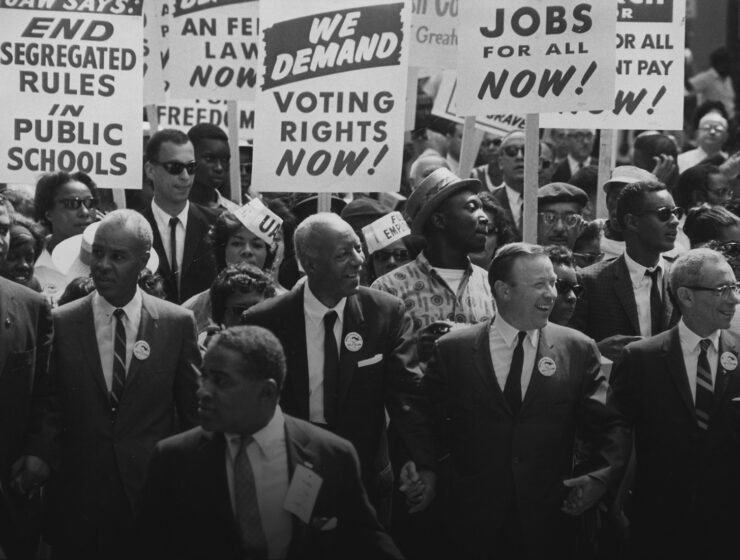
The American Civil Rights Movement of the 1950s and 60s was a pivotal era in the fight for racial equality. The movement sought to dismantle systemic racial segregation and discrimination facing African Americans. One of the earliest major events was the Montgomery Bus Boycott, which began in December 1955. Sparked by Rosa Parks’ arrest for refusing to give up her seat to a white passenger, the boycott was led by Dr. Martin Luther King Jr. This 381-day mass protest resulted in the Supreme Court ruling that segregation on public buses was unconstitutional, marking a significant victory for civil rights activists.

Another landmark event was the March on Washington for Jobs and Freedom on August 28, 1963. Over 250,000 demonstrators gathered in Washington D.C. to advocate for civil and economic rights for African Americans. It was during this event that Dr. King delivered his iconic “I Have a Dream” speech, articulating a vision of racial harmony and equality. The march significantly influenced public opinion and increased momentum for legislative changes.

The culmination of these efforts was the enactment of the Civil Rights Act of 1964. This landmark legislation outlawed discrimination based on race, color, religion, sex, or national origin. It also ended segregation in public places and banned employment discrimination, marking a watershed moment in the civil rights struggle.

Key figures such as Dr. Martin Luther King Jr., Rosa Parks, and Malcolm X had profound impacts on the movement, albeit through differing approaches. Dr. King advocated for nonviolent resistance, inspired by Mahatma Gandhi’s principles. In contrast, Malcolm X, a prominent figure in the Nation of Islam, originally promoted black nationalism and self-defense, later shifting towards a more inclusive approach after his pilgrimage to Mecca. Rosa Parks’ courageous defiance and steadfast demeanor earned her the title “mother of the civil rights movement.” Each of these leaders, through their distinct methods, played crucial roles in challenging and transforming the socio-political landscape of America.

International Civil Rights Struggles

The quest for civil rights has been a global phenomenon, seen across various countries and time periods. One of the most notable international civil rights movements was the anti-apartheid struggle in South Africa, spearheaded by Nelson Mandela. This movement revolved around dismantling the systemic racial segregation and domination by the white minority. Unlike the American Civil Rights Movement, which prominently featured nonviolent resistance efforts such as sit-ins and marches, the anti-apartheid effort involved both peaceful protests and armed resistance, culminating in Mandela’s long imprisonment and eventual release, signaling a historic victory for racial equality.

In contrast, the struggle against British colonial rule in India, largely led by Mahatma Gandhi, was highlighted by its unwavering commitment to nonviolence or “Satyagraha.” Gandhi mobilized mass civil disobedience campaigns, notably the Salt March, and effectively used nonviolent civil resistance to challenge and eventually dismantle British colonial governance. Similar to the American Civil Rights Movement, the Indian independence struggle demonstrated the transformative power of peaceful protest but was distinct in its context of colonial rule rather than racial segregation.

Other notable international civil rights movements include the anti-colonial strife in Algeria, the fight against dictatorship in Chile, and movements within the burgeoning democracies of Eastern Europe during the 1980s. Algerian revolutionaries, led by the National Liberation Front, engaged in a brutal conflict with French forces, differing markedly in tactics compared to the civil disobedience seen in the American context. The Chilean opposition utilized a blend of peaceful protests, strikes, and political activism against Augusto Pinochet’s regime, focusing on democratization rather than purely racial or colonial liberation.

Though diverse in their contexts and methodologies, these international civil rights movements share common themes of resistance against oppression, striving for equality and justice. Each movement, be it India’s push for independence or South Africa’s anti-apartheid struggle, has contributed significantly to the global understanding and implementation of civil rights, offering valuable lessons in the continuous fight for human dignity.

Methods and Tactics of Civil Rights Activism

Civil rights activism has employed a variety of methods and tactics to fight for equality and justice. Among the most effective and widely recognized methods is nonviolent protest. Inspired by Mahatma Gandhi’s principles, figures like Martin Luther King Jr. adopted nonviolent resistance, which includes peaceful marches, sit-ins, and boycotts. The Montgomery Bus Boycott (1955-56) and the March on Washington (1963) stand as monumental examples of nonviolent protest garnering national attention and legislative change.

Another key tactic in the arsenal of civil rights activists has been civil disobedience. This involves the deliberate and public refusal to obey unjust laws. One historic instance is the sit-in movement of the 1960s, whereby African American students would occupy seats at segregated lunch counters. Their persistence and principled stance challenged the status quo, leading to desegregation in various facilities.

Legal challenges have also been a cornerstone of civil rights activism. Organizations like the NAACP (National Association for the Advancement of Colored People) used lawsuits to fight discriminatory laws. A landmark case is Brown v. Board of Education (1954), wherein the U.S. Supreme Court ruled that racial segregation in public schools was unconstitutional. This ruling was a turning point, setting the stage for additional reforms.

Grassroots organizing has played an essential role as well. Local leaders and community members have come together to create networks of support and mobilization. The Freedom Summer campaign of 1964 demonstrated the power of grassroots efforts, as thousands of volunteers worked to register African American voters in Mississippi, significantly enhancing political participation and representation.

Influential writings and speeches have inspired and directed movements. Martin Luther King Jr.’s “Letter from Birmingham Jail” eloquently defended civil disobedience and criticized complacency in the face of injustice, while his “I Have a Dream” speech remains a galvanizing call for equality. Similarly, works like James Baldwin’s “The Fire Next Time” highlighted the urgency of confronting racial inequities.

Major Legislation and Legal Milestones

Civil rights activism has continuously shaped the legal and societal landscape through groundbreaking legislation and monumental Supreme Court decisions. One of the most significant victories was the 1954 case of Brown v. Board of Education, wherein the Supreme Court declared state laws establishing separate public schools for Black and white students to be unconstitutional. This landmark decision effectively overturned the previous precedent set by Plessy v. Ferguson and marked a pivotal step towards desegregation.

Another cornerstone in the canon of civil rights legislation is the Voting Rights Act of 1965. This act sought to eliminate racial discrimination in voting by banning practices such as literacy tests and poll taxes, which were widely used in Southern states to disenfranchise African American voters. By enabling greater political participation, this legislation significantly altered the political landscape and empowered minority communities.

Title IX of the Education Amendments Act of 1972 represents another profound legal milestone. This law prohibits gender discrimination in any education program or activity receiving federal financial assistance. Title IX has been instrumental in expanding opportunities for women, particularly in the realm of athletics, and has contributed to broader societal shifts towards gender equality.

Each of these legislative and judicial milestones has had far-reaching effects on society and the legal framework within the United States. Brown v. Board of Education catalyzed the Civil Rights Movement, inspiring further activism and legislative efforts. The Voting Rights Act reinforced democratic principles by ensuring more inclusive voter participation. Meanwhile, Title IX has fostered a more equitable landscape in education and sports, promoting gender parity.

These legal achievements underscore the transformative power of civil rights activism in advancing equality and justice. By dismantling institutionalized discrimination, they have collectively paved the way for a more inclusive and equitable society.

The Continuing Fight for Civil Rights

The quest for civil rights remains an enduring struggle, presenting a multitude of contemporary challenges. Issues such as voting rights, police brutality, LGBTQ+ rights, and immigrant rights lie at the heart of today’s civil rights activism, echoing the efforts of past generations but evolving to meet modern societal demands.

One of the most pressing issues is the battle for voting rights. Efforts to restrict access to the ballot box have manifested in various forms, from stringent voter identification laws to the reduction of early voting periods. These measures disproportionately affect minority communities, drawing parallels with historical voter suppression tactics. Activists continue to fight for legislation to safeguard and expand voting rights, reminiscent of the pivotal battles fought during the Civil Rights Movement of the 1960s.

Police brutality remains a critical concern, particularly within Black and other marginalized communities. The deaths of individuals like George Floyd and Breonna Taylor have sparked nationwide protests and led to a resurgent call for police reform. Movements such as Black Lives Matter have gained prominence, advocating for systemic changes to address racial injustice. Their approaches are deeply influenced by the legacy of civil rights leaders like Martin Luther King Jr. and Malcolm X, who also fought against institutionalized racism and inequality.

Similarly, the fight for LGBTQ+ rights continues to be a significant area of activism. Landmark achievements, such as the legalization of same-sex marriage, have been met with ongoing resistance in various forms, including discriminatory laws and social stigmatization. Organizations and activists work tirelessly to promote equality and safeguard the rights of the LGBTQ+ community, drawing inspiration from the broadly inclusive vision of earlier civil rights advocates.

Immigrant rights also remain a critical frontier in the civil rights struggle. The debates surrounding immigration policy, particularly those targeting asylum seekers and undocumented individuals, highlight the intersection of race, legality, and human rights. Activists aim to forge a more inclusive society that recognizes the contributions and rights of immigrants, continuing the tradition of advocacy for marginalized groups.

In addressing these modern civil rights issues, contemporary movements take cues from historical struggles, embracing both nonviolent protest and legal strategies to effect change. The enduring impact of past civil rights activism provides a foundation upon which today’s advocates build, demonstrating that the fight for equality and justice is far from over.

The Impact of Civil Rights Activism on Society

Civil rights activism has profoundly shaped modern society, driving significant advancements in equality and justice. The crusades for civil rights have catalyzed monumental changes, leading to the dismantling of institutionalized segregation and discrimination. Landmark legislations, such as the Civil Rights Act of 1964 and the Voting Rights Act of 1965, embody the transformative power of this activism. Today, we witness a more inclusive society where individuals, regardless of race, gender, or sexual orientation, have greater access to opportunities and protections under the law.

However, the journey towards equity is far from complete. While substantial progress has been made, systemic inequalities and injustices persist in various forms. Economic disparities, racial profiling, and unequal access to quality education remain prominent issues that demand continuous attention and action. The ongoing struggle for racial justice and the resurgence of movements like Black Lives Matter underscore the pressing need to address these entrenched problems.

Civil rights activism has also had a profound personal impact on individuals. Consider the stories of people like Ruby Bridges, whose brave act of desegregating an all-white school as a child paved the way for countless others, or John Lewis, whose lifelong dedication to the fight for civil rights inspired generations. Their lives, and many others, have been irrevocably altered by activism, illustrating the personal stakes that underpin this broader societal cause.

The importance of continuing to advocate for equal rights and justice cannot be overstated. Civil rights activism serves as a vital force in the ongoing quest for a just society. It reminds us that progress, no matter how significant, is always a work in progress. By honoring past achievements and confronting current challenges, society can strive toward a future where equality and justice are not just ideals, but lived realities for all.

Introduction to Digital Activism

Digital activism represents a transformative shift in how individuals and groups advocate for social and political changes. Emergent in the late 20th century with the advent of the internet, this form of activism leverages digital tools and platforms to promote, protest, or campaign for causes. Unlike traditional activism, which relies on physical presence and face-to-face interactions, digital activism uses online spaces to mobilize support, disseminate information, and engage a global audience.

The significance of digital activism in modern society cannot be overstated. It democratizes the process of advocacy, enabling individuals without substantial resources to amplify their voices and exert influence. Social media platforms like Twitter, Facebook, and Instagram have become the epicenters of digital activism. Hashtag campaigns, viral posts, and coordinated online movements illustrate the power of social media in rallying people around issues. A person with a smartphone can now contribute to a movement that influences public policy, alters discourse, and challenges entrenched power structures.

Key trends in digital activism highlight its growing impact. For instance, the Arab Spring of 2010-2012 demonstrated the potent role of social media in organizing protests and communicating with the global audience. More recently, movements like #BlackLivesMatter and #MeToo have shown how digital platforms can raise awareness and demand accountability, galvanizing millions worldwide. Each of these movements exemplifies the unique ability of digital activism to foster immediate and widespread communication, making social media an indispensable tool for modern advocacy.

As digital activism continues to evolve, it also faces significant challenges, such as censorship, misinformation, and digital divides. However, its potential to drive meaningful change and connect disparate groups is undeniable. The rise of digital activism marks a new era where the internet serves as a battleground for justice, equality, and human rights.

The Rise of Social Media as a Tool for Activism

Social media has evolved significantly from its early days as a simple communication tool to a formidable platform for advocacies and activism. This transformation is primarily driven by its unique features that cater to real-time updates, extensive reach, and high user engagement. The viral nature of social media content makes it an ideal medium for rallying support and fostering global conversations around critical issues.

Historic events like the Arab Spring mark the earliest instances of social media-driven activism. In 2010, platforms such as Facebook and Twitter were instrumental in organizing protests and disseminating information rapidly. Activists across the Middle East and North Africa leveraged social media to mobilize masses, bypass censorship, and document events as they unfolded. This not only garnered international support but also put considerable pressure on regimes to respond to the populace’s demands.

Similarly, the Black Lives Matter movement epitomizes the power of social media in contemporary activism. Initiated as a hashtag in 2013 following the acquittal of Trayvon Martin’s killer, #BlackLivesMatter evolved into a global outcry against systemic racism and police brutality. The widespread reach and immediacy of social media allowed for real-time dissemination of incidents, which galvanized protests and brought about greater awareness and, eventually, policy discussions and reforms.

The #MeToo movement is another testament to how social media can amplify marginalized voices. Triggered by actress Alyssa Milano’s 2017 tweet encouraging victims of sexual harassment to speak out, the hashtag quickly became a viral phenomenon. Individuals worldwide shared their experiences, making visible the pervasive nature of sexual misconduct across different industries. Social media facilitated an environment of solidarity and empowered many to seek justice and hold perpetrators accountable.

Key features of social media, such as its real-time updating capability, have allowed activists to swiftly respond to unfolding events, while the widespread reach has connected like-minded individuals across the globe. User engagement through comments, likes, and shares has enabled a participatory form of activism where everyone can contribute to the discourse. As such, social media has undeniably become an indispensable tool in the modern activism arsenal.

Impact on Awareness and Mobilization

Digital activism has transformed the landscape of social awareness and mobilization. Social media platforms serve as powerful tools that elevate social issues and causes to global audiences with unprecedented speed and reach. This democratization of information enables not only the spread of awareness but also the fostering of collective action. By leveraging the vast networks that social media provides, grassroots organizations can disseminate their messages more effectively than ever before.

One of the remarkable aspects of social media is its ability to mobilize supporters rapidly. For example, during natural disasters or humanitarian crises, campaigns on platforms like Facebook and Twitter can generate viral momentum. This immediate dissemination of information has been crucial in raising funds, gathering supplies, and even influencing policy decisions. The virality and sharability of content allow for the immediate engagement of a wide audience, which is essential for timely and effective action.

Significant campaigns have demonstrated the tangible outcomes of digital activism. The #MeToo movement, which originated on social media, sparked a global conversation about sexual harassment and led to substantial policy changes in various sectors. Another notable example is the Black Lives Matter movement, which organized protests and brought issues of racial injustice to the forefront of national and international discussions. These movements not only raised awareness but also led to real-world implications, including legislative reforms and increased funding for related causes.

The efficacy of social media in mobilizing support is evident in numerous fundraising efforts through platforms like GoFundMe and Kickstarter. Campaigns for disaster relief, medical bills, and educational initiatives have not only reached their financial goals but often exceeded them, showcasing the collective power that social media can harness.

In conclusion, the impact of social media on awareness and mobilization is profound. By providing a platform for disseminating information rapidly and widely, social media enables grassroots movements to achieve real and significant outcomes. Whether through influencing policy changes, organizing protests, or raising essential funds, digital activism has become an indispensable tool in the modern activism toolkit.

The Role of Influencers and Public Figures

In the landscape of digital activism, influencers and public figures play a pivotal role in promoting causes and advocating for change. With their expansive reach and relatable personas, these individuals have the unique ability to mobilize large groups and draw attention to social, political, and environmental issues. The considerable influence of celebrities and social media influencers can transform a local movement into a global phenomenon rapidly.

One notable example is the advocacy work of Greta Thunberg, a young environmental activist who gained international recognition through her social media presence. By leveraging platforms like Twitter and Instagram, Thunberg has galvanized millions to participate in climate strikes and demand policy changes. Similarly, public figures such as Leonardo DiCaprio have utilized their massive followings to highlight environmental challenges, using his platform to support various environmental organizations and initiatives.

In addition to environmental causes, influencers have also been instrumental in advocating for social justice. Selena Gomez, for instance, has consistently used her social media accounts to raise awareness about immigration issues and the Black Lives Matter movement. Her efforts contribute to fostering a public understanding of these pressing matters, subsequently cultivating a more informed and engaged audience.

The advantages of leveraging influencers in digital activism are manifold. Their wide reach enables instant dissemination of information, fostering greater awareness and engagement. Moreover, their capacity to personalize issues makes them relatable, which can evoke stronger emotional responses and mobilize action among their followers. However, there are potential drawbacks. The reliability of influencers may vary, and the commercialization of their platforms can sometimes overshadow genuine activism. The risk of performative activism—where actions are more about maintaining public image rather than achieving substantial change—can also undermine efforts.

Despite these challenges, the strategic use of influencers and public figures remains a powerful tool in digital activism, offering a promising avenue for fostering societal change and engaging wider audiences in crucial conversations.

Challenges and Limitations of Digital Activism

Despite its transformative potential, digital activism is not without challenges. One significant hurdle is censorship, which governments or platforms may enforce to suppress dissenting voices. For instance, authorities in certain countries have shut down social media platforms during periods of political unrest, stifling the reach of digital movements. Additionally, social media companies themselves employ algorithms that can inadvertently (or purposefully) curtail the visibility of activist content, thus limiting its impact.

Misinformation is another pervasive issue that digital activism faces. The rapid dissemination of false or misleading information can undermine the credibility of legitimate movements. For example, during the Arab Spring, both state actors and other interested parties spread false narratives, confusing the public and detracting from the authenticity of genuine activist efforts. Misinformation can dilute the message of a movement, leading to public skepticism and reduced support.

The digital divide presents a further obstacle. Activism reliant on internet access and digital literacy inherently excludes individuals without these resources, potentially marginalizing already underrepresented groups. This divide can result in a skewed representation of voices and interests, hampering the inclusivity and equity of digital activism. Additionally, the reliance on online platforms can sometimes cause activists to overlook traditional forms of activism, which remain crucial in many contexts.

Digital activism often struggles with sustaining long-term engagement and translating online actions into tangible offline outcomes. The hashtag #BringBackOurGirls, aimed at rescuing kidnapped Nigerian schoolgirls, garnered substantial global attention. However, the momentum slowed without adequate offline support structures, showcasing the limitations of relying solely on digital means. Movements that succeed online must concurrently build offline strategies to achieve sustained impact.

In conclusion, while digital activism has revolutionized how individuals organize and campaign for causes, it is essential to acknowledge the inherent challenges and limitations. Effective digital activism requires a multifaceted approach that addresses censorship, misinformation, and the digital divide, ensuring both online and offline integration to drive meaningful change.

Legal and Ethical Considerations

Digital activism has undeniably transformed the landscape of social advocacy, offering unprecedented access to tools and platforms for those championing various causes. However, the growth of digital activism brings with it significant legal and ethical considerations that activists and platforms must navigate. Key among these concerns are privacy, data security, and the pervasive issue of online harassment.

Privacy is a major consideration for digital activists. As social media platforms collect vast amounts of personal data, the potential for misuse or unauthorized access poses a real threat. Activists must be cautious about the personal information they share, as it can be exploited by malicious actors. Similarly, platforms have a responsibility to implement robust security measures to protect users’ data from breaches and cyberattacks. Legislation such as the General Data Protection Regulation (GDPR) in Europe has set stringent guidelines for data protection, compelling platforms to prioritize users’ privacy.

Data security is intrinsically linked to privacy concerns. The rise of digital activism means platforms store sensitive information about activists and their causes, creating a target for cybercriminals. Ensuring data security involves not only safeguarding information from breaches but also maintaining integrity and availability of data. Platforms must, therefore, adopt comprehensive security protocols, including encryption, regular security audits, and prompt incident response mechanisms.

Online harassment is another critical issue within digital activism. Activists often face targeted harassment campaigns, including threats and doxxing (the release of personal information). Such actions not only jeopardize their safety but also stifle their voices. Ethical behavior from both activists and platforms is essential in fostering a safe online environment. Platforms must enforce stringent anti-harassment policies and provide tools for users to report abusive behavior. At the same time, activists should adhere to principles of respect and accountability in their interactions.

Recent legislation and regulations have begun addressing these issues. For instance, laws like the Online Safety Bill in the UK aim to hold platforms accountable for harmful content and provide better protection for users. These legal frameworks are critical for curbing the negative aspects of digital activism and promoting a safer, more ethical digital space.

Future of Digital Activism

The landscape of digital activism is poised for significant transformation as new technologies and evolving social media dynamics come into play. One of the most pivotal emergent technologies is artificial intelligence (AI). AI has the potential to elevate digital activism by providing advanced tools for content creation, sentiment analysis, and audience targeting. Activists can leverage AI to amplify their messages, ensuring they reach the right demographics with maximum impact. Additionally, AI can be instrumental in detecting and countering misinformation, thereby maintaining the credibility of advocacy campaigns.

Blockchain technology also promises to be a game changer. Its decentralized nature ensures greater transparency and security for online transactions and communications. For digital activists, this means the ability to create tamper-proof records, facilitating trust and accountability in fundraising efforts and petitions. Blockchain can also support the development of decentralized social media platforms, which may offer activists more control and freedom away from the influence of large tech corporations.

Changes in social media algorithms and policies are another crucial factor influencing the future of digital activism. Platforms are increasingly prioritizing content moderation to combat fake news, hate speech, and other harmful behaviors. While these changes aim to improve the quality of discourse, they can also hinder activists if their content is mistakenly flagged or deprioritized. Therefore, digital activists must stay well-informed about these changes to adapt their strategies effectively.

The sustainability and longevity of digital activism are likely to be bolstered by the continuous integration of these advanced technologies. However, it’s essential to address the challenges posed by digital fatigue and short-lived viral trends. Activists will need to focus on creating long-term engagement and community building to sustain their movements. As the digital realm evolves, so too must the tactics and tools used by activists to ensure that their voices remain heard and influential.

Conclusion: The Road Ahead for Activists

Digital activism has undeniably transformed the landscape of social and political movements. Social media platforms have endowed activists with unprecedented tools to amplify their messages, mobilize supporters, and influence public opinion at a global scale. The immediacy and reach of these platforms have lowered the barriers to entry, enabling individuals and organizations to engage in advocacy swiftly and effectively.

Throughout the blog post, we delved into various dimensions of digital activism. We examined how social media empowers activists to organize campaigns, create viral content, and engage with diverse audiences across geographical boundaries. We also discussed the potential challenges, such as misinformation, digital surveillance, and the need for strategic communication to counteract these issues.

As the landscape of activism continues to evolve, it is crucial for actors within this sphere to harness the power of social media responsibly. Activists are encouraged to verify information before sharing, safeguard their online privacy, and engage constructively with their audiences. Leveraging data analytics to track engagement and adjusting strategies accordingly can further enhance the impact of digital campaigns.

While the rise of digital activism has been revolutionary, it is important to recognize the enduring value of traditional forms of advocacy. Offline efforts such as community organizing, lobbying, and public demonstrations remain vital components of effective activism. A balanced approach that seamlessly integrates digital tools with these conventional methods can pave the way for sustained and meaningful change.

Ultimately, the future of activism lies in the symbiotic relationship between digital and traditional strategies. By embracing the dynamic interplay of these approaches, activists can navigate the complexities of modern advocacy and continue to drive social progress. The road ahead is paved with opportunities – it is up to the activists to engage thoughtfully, act responsibly, and work collectively towards a more equitable world.

Introduction to Environmental Activism

Environmental activism encompasses a broad spectrum of efforts dedicated to the preservation and protection of our natural environment. At its core, environmental activism is about advocating for policies and practices that mitigate human impact on the Earth. The primary goals of environmental activism include the reduction of pollution, the conservation of natural resources, and the protection of biodiversity. It also aims to promote sustainable living practices that ensure a healthier planet for future generations.

The importance of environmental activism in today’s world cannot be overstated. With increasing evidence of climate change, deforestation, and pollution, it is clear that immediate and concerted efforts are essential to safeguard our environment. Environmental activism plays a critical role in raising awareness about these issues and driving policy changes at local, national, and global levels.

Environmental activism can take many forms, ranging from grassroots movements to global initiatives. Grassroots movements often consist of local communities and volunteers working together to address environmental issues within their immediate surroundings. These movements are vital as they empower individuals to take action and create tangible change in their own neighborhoods. Examples include community clean-up projects, local conservation efforts, and education campaigns.

On the other end of the spectrum, global initiatives involve large organizations and international collaborations that tackle environmental issues on a broader scale. Organizations such as Greenpeace, the World Wildlife Fund, and the United Nations Environment Programme work across borders to influence environmental policies, conduct research, and implement large-scale conservation projects. Their efforts ensure that environmental activism has a far-reaching impact, addressing systemic issues that require coordinated international responses.

Ultimately, both individuals and organizations play crucial roles in driving environmental change. Every action, whether small or large, contributes to the collective effort to protect our planet. Joining environmental organizations, participating in local conservation projects, or simply adopting sustainable practices in our daily lives can all make a significant difference. Through collective action and sustained commitment, environmental activism continues to pave the way toward a more sustainable and resilient future.

Historical Background of Environmental Activism

Environmental activism has a rich and evolving history, rooted in the early conservation movements of the 19th century. During this period, industrialization was driving significant changes in landscapes and natural resources, prompting figures like John Muir to advocate for the preservation of wilderness areas. Muir’s efforts led to the establishment of national parks and the founding of the Sierra Club in 1892, marking the beginnings of organized environmental activism.

As the 20th century unfolded, the movement gained momentum with several key events and legislation. The publication of Rachel Carson’s book Silent Spring in 1962 was a pivotal moment, raising public awareness about the dangers of pesticide use and spurring changes in environmental policies. Subsequently, significant legislation such as the National Environmental Policy Act (NEPA) of 1969 and the Clean Air Act of 1970 were enacted, providing frameworks for environmental protection.

A milestone in the environmental movement was the first Earth Day on April 22, 1970, organized by Senator Gaylord Nelson. This event mobilized millions of people and brought environmental issues to the forefront of public consciousness, leading to the establishment of key organizations like the Environmental Protection Agency (EPA). Earth Day remains an annual observance, symbolizing the enduring commitment to environmental advocacy.

Throughout the late 20th and early 21st centuries, environmental activism continued to evolve, addressing emerging issues such as climate change, biodiversity loss, and renewable energy. Influential figures like Al Gore and Greta Thunberg have played crucial roles in raising awareness and inspiring global action through their advocacy. Additionally, international accords like the Paris Agreement of 2015 have underscored the collective efforts to combat climate change on a global scale.

The history of environmental activism is a testament to the sustained efforts of individuals, organizations, and governments to protect our planet. From the early conservationists to contemporary climate activists, each milestone has contributed to the broader environmental movement, exemplifying the ongoing dedication to preserving the Earth’s natural resources for future generations.

Major Environmental Challenges Facing Our Planet

Environmental activists are at the forefront of addressing several critical issues that threaten the well-being of our planet. One of the most urgent among these is climate change. The result of decades of excessive greenhouse gas emissions from industrial activities, agriculture, and deforestation, climate change manifests in rising global temperatures, shifting weather patterns, and an increase in the frequency and intensity of extreme weather events. The impacts include melting ice caps, rising sea levels, and adverse effects on agricultural productivity, which collectively threaten both ecosystems and human communities worldwide.

Another pressing concern is deforestation. Forests are disappearing at an alarming rate due to logging, agricultural expansion, and urbanization. This loss not only diminishes biodiversity, displacing countless species and leading to extinction in severe cases, but also disrupts carbon storage. Trees absorb and store carbon dioxide, playing a crucial role in regulating the Earth’s climate. The reduction of forest cover thus exacerbates climate change, making deforestation a critical issue that requires immediate intervention.

Pollution, in its various forms, continues to pose a significant threat to environmental and human health. Air pollution, driven by fossil fuel combustion and industrial emissions, leads to respiratory illnesses and contributes to global warming. Water pollution, from chemicals, plastics, and untreated waste, degrades aquatic habitats and renders water unsafe for consumption and agriculture. Soil pollution, resulting from agricultural chemicals and improper waste disposal, leads to the accumulation of toxins, adversely affecting food security and human health.

Furthermore, the loss of biodiversity is a silent crisis unfolding globally. Habitat destruction, climate change, pollution, and overexploitation of species are driving an unprecedented rate of extinction. Biodiversity is essential for ecosystem resilience, food security, and natural resources. The loss of species destabilizes ecosystems, which can result in the loss of ecosystem services critical for human survival, such as pollination, clean water, and disease regulation.

Lastly, the degradation of the oceans is a multifaceted challenge. Overfishing, plastic pollution, and acidification, driven by increased atmospheric CO2 levels, are profoundly affecting marine life and habitats. Coral reefs, which support a quarter of all marine species, are particularly vulnerable. Ocean degradation affects food chains, diminishes fish stocks that communities depend on, and threatens the health of coastal regions.

These environmental challenges underscore the urgency for coordinated, global efforts in environmental activism. Addressing these issues is essential for the preservation of the planet and the well-being of all its inhabitants.

Prominent Environmental Activists and Organizations

Environmental activism has benefitted immensely from the efforts of influential figures and dedicated organizations. Among the most prominent activists is Greta Thunberg, a Swedish teen whose school strike for climate gained global attention. Thunberg’s straightforward message urged world leaders to address climate change with urgency. Her activism led to the formation of Fridays for Future, a global movement encouraging students to strike for climate action.

Wangari Maathai was another towering figure in environmental activism whose legacy continues to inspire. She founded the Green Belt Movement in Kenya, aiming to combat deforestation and promote sustainable development by involving local communities in tree planting. Maathai’s efforts were recognized with the Nobel Peace Prize in 2004, highlighting the interconnection between environmental sustainability and peace.

On the organizational front, Greenpeace is well-known for its fearless approach to protesting environmental degradation through direct action and lobbying efforts. Since its inception in 1971, Greenpeace has campaigned on issues ranging from anti-nuclear movements to whales and deforestation, drawing global attention to these pressing problems through impactful campaigns and advocacy.

The Sierra Club, one of the oldest environmental organizations in the United States, has played a pivotal role in conservation efforts. Founded in 1892 by John Muir, the Sierra Club has been influential in the establishment of national parks and championing clean energy. It continues to be deeply involved in protecting natural resources and promoting environmental policies.

Another significant entity is Extinction Rebellion, a global movement that uses nonviolent civil disobedience to compel government action on climate change. Established in the UK in 2018, their campaigns have succeeded in raising awareness and urgency about climate issues, contributing to the broader discourse on ecological preservation.

These activists and organizations exemplify the profound impact that dedicated efforts can have on promoting environmental protection and sustainability. Their ongoing work serves as a testament to the power of collective action in addressing one of the most critical challenges of our time.

Tools and Strategies for Effective Environmental Advocacy

Environmental activists employ a diverse array of tools and strategies to raise awareness and drive socio-environmental change. Peaceful protests are one of the most visible methods; these gatherings, marches, and sit-ins serve not only as a means of demonstrating public support but also as a platform for communicating the urgency of environmental issues to a broader audience. For instance, the global climate strikes led by youth activists have successfully mobilized millions and placed climate change prominently on international agendas.

Lobbying is another crucial strategy used by environmental advocates. By directly engaging with policymakers, activists can influence legislation and policy decisions that affect the environment. This often includes presenting scientific evidence, proposing new laws, or advocating for stronger enforcement of existing ones. A notable example is the successful lobbying efforts that led to the implementation of the Paris Agreement, a landmark international treaty to combat climate change.

Educational campaigns also play a vital role in environmental advocacy. These campaigns aim to inform and engage the public about specific issues, ranging from recycling initiatives to the dangers of single-use plastics. Through workshops, seminars, and informational materials, activists can drive community-wide changes in behavior and promote sustainable practices. Community organizing, which involves mobilizing local groups to address environmental concerns, has proven particularly effective in generating grassroots support. Local efforts, such as community clean-up drives or tree planting events, often yield tangible results and foster a sense of collective responsibility.

In today’s digital age, social media activism has emerged as a powerful tool. Platforms like Twitter, Facebook, and Instagram enable activists to reach a global audience quickly and efficiently. Hashtags, viral videos, and online petitions can generate widespread awareness and galvanize action. The success of movements like #FridaysForFuture showcases the potential of social media to amplify voices and rally support for environmental causes.

Lastly, legal action remains a critical instrument in the arsenal of environmental advocates. Lawsuits can hold corporations and governments accountable for environmental damages, compel compliance with regulations, and establish important legal precedents. Landmark cases, such as those challenging corporate pollution or defending endangered species, underscore the impact of litigation in securing environmental justice.

The Role of Technology in Environmental Activism

Technology has become an invaluable ally in the movement to protect our planet. Digital platforms such as social media and dedicated environmental advocacy websites empower activists to amplify their messages and reach a global audience. Technologies enhance awareness and galvanize action through petitions, educational campaigns, and real-time information sharing. For instance, platforms like Change.org and Facebook effectively mobilize communities around environmental causes, demonstrating the power of online advocacy.

Additionally, advancements in data collection and monitoring play a crucial role in environmental activism. The use of drones and satellites offers precise, real-time capabilities to track deforestation, monitor wildlife habitats, and assess pollution levels. These tools help collect data that is essential for substantiating claims, influencing policy decisions, and guiding conservation efforts. For instance, satellite imaging technologies have been instrumental in tracking illegal logging activities in the Amazon rainforest, enabling quicker responses to environmental threats.

Furthermore, renewable energy technologies are pivotal in combating climate change, a central focus of many environmental activists. Innovations in solar, wind, and hydroelectric power provide sustainable alternatives to fossil fuels, reducing carbon emissions and fostering a cleaner, healthier environment. For example, the development of more efficient solar panels and wind turbines has significantly increased the adoption of these renewable energy sources, contributing to a reduction in greenhouse gases.

Examples of technological innovations with significant environmental impacts abound. One notable innovation is the electric vehicle, which offers a cleaner alternative to traditional combustion engines and reduces reliance on fossil fuels. Another example is the deployment of smart grids that enhance the efficiency of energy distribution and minimize waste. These technological advancements illustrate the critical role innovation plays in addressing environmental challenges and advancing sustainable practices.

Challenges and Criticisms of Environmental Activism

Environmental activism, while essential for the protection of our planet, faces numerous challenges and criticisms. One significant hurdle is public apathy. Despite a growing awareness of environmental issues, many individuals remain indifferent, often prioritizing convenience and economic benefits over ecological concerns. This apathy can hinder the momentum of environmental campaigns and decrease participation in initiatives aimed at sustainability.

Political opposition also stands as a formidable obstacle. Environmental activists frequently confront resistance from policymakers and industry leaders who may view environmental regulations as impediments to economic growth. This opposition can lead to legislation that favors industrial interests over environmental preservation, complicating the efforts to enact meaningful environmental protections.

Moreover, financial constraints are a pervasive challenge. Activist organizations often operate on limited budgets, which can restrict their ability to launch large-scale campaigns, conduct comprehensive research, and engage with the public. Securing funding is a constant struggle, necessitating creative and resourceful approaches to sustain their mission.

The balancing act between economic development and environmental protection further complicates the landscape. Activists are frequently criticized for allegedly stifling economic growth and job creation by opposing industrial projects. Balancing the need for economic development with the imperative to protect natural resources remains a contentious issue, requiring nuanced solutions that do not compromise environmental integrity.

Despite these challenges, the resilience of environmental activists is noteworthy. Many have adapted by leveraging digital platforms to raise awareness, fostering grassroots movements that galvanize community support. Collaborations with academic institutions, NGOs, and even some forward-thinking businesses have amplified their reach and impact. The commitment of these activists continues to drive the movement forward, advocating for a sustainable and just future for all.

How Individuals Can Get Involved in Environmental Activism

Getting involved in environmental activism doesn’t necessarily require grand gestures or substantial upheaval in one’s life; small yet significant actions can also contribute to protecting our planet. One of the most accessible ways to begin is by joining local environmental groups. These organizations often host events, educational workshops, and community clean-up drives, fostering a collective effort to tackle environmental issues. Being part of such groups can provide not only a sense of community but also a platform to amplify individual efforts in environmental conservation.

Participating in clean-up drives is another practical approach. Whether in urban neighborhoods, parks, or remote beaches, organized clean-up efforts help in reducing litter and preserving natural habitats. These events, often run by local or national environmental organizations, provide an ideal opportunity to witness first-hand the impact of pollution and the immediate difference concerted clean-up activities can make.

Reducing one’s personal carbon footprint is also a powerful form of environmental activism. Simple lifestyle changes like using public transportation, adopting a plant-based diet, reducing single-use plastics, and conserving water and energy can collectively make a substantial impact. These actions not only benefit the environment but also often promote healthier and more sustainable living.

Advocacy for policy changes is essential in driving large-scale environmental improvements. Engaging in dialogues with elected officials, participating in public forums, and supporting campaigns that push for stronger environmental legislation are ways to champion systemic change. Writing letters, signing petitions, and spreading awareness through social media can pressure policymakers to prioritize environmental issues.

Additionally, supporting sustainable businesses can significantly influence market practices. Patronizing companies that prioritize eco-friendly operations, ethical sourcing, and minimal waste generation reinforces the demand for sustainable business models. This consumer behavior encourages more businesses to adopt greener practices, thus promoting overall environmental welfare.

While individual actions play a crucial role, the real strength lies in collective efforts. When numerous individuals commit to mitigating their environmental impact and advocating for greener policies and practices, the combined effect can drive substantial progress in protecting our planet. Environmental activism thrives on the power of community, demonstrating that every small action contributes to a larger positive change.

Introduction to Women in Activism Leading the Charge for Change

Women have been integral to the fabric of social, political, and economic movements throughout history. Their involvement in activism has been both a testament to their resilience and a pivotal force in driving significant societal change. Initially, their contributions were often overlooked or minimized, but over time, the essential role of women in activism has been increasingly recognized and celebrated.

From the suffragettes’ tireless campaign for women’s voting rights in the early 20th century to contemporary movements like #MeToo and Black Lives Matter, women have consistently led the charge for change. These efforts have challenged systemic inequalities, fought for civil rights, and sought to dismantle oppressive structures. Historically, women’s activism has not been limited to any one domain; it spans across various facets of society, addressing a broad spectrum of issues including gender equality, racial justice, environmental sustainability, and economic equity.

The significance of female leadership in these movements cannot be overstated. Women activists have often brought unique perspectives and approaches to the table, fostering inclusive and diverse coalitions that are crucial for sustained progress. Icons such as Susan B. Anthony, Rosa Parks, Malala Yousafzai, and countless others exemplify the diverse ways in which women have shaped and continue to influence the global activist landscape.

Exploring the historical context of women’s activism provides necessary insight into how past struggles and triumphs inform and inspire current initiatives. Understanding the complex dynamics of these movements allows us to appreciate the multifaceted contributions of women activists and recognize the ongoing challenges they face. The examination of women’s pivotal role in activism not only pays homage to their efforts but also underscores the importance of continued advocacy and leadership by women in the pursuit of social justice and equality.

Historical Milestones of Women in Activism

Throughout history, women have played a pivotal role in championing societal changes, often spearheading movements that have reshaped the course of history. The suffrage movement of the late 19th and early 20th centuries stands as a landmark in the quest for women’s rights. Figures like Susan B. Anthony and Elizabeth Cady Stanton fought tirelessly for women’s right to vote, culminating in the ratification of the 19th Amendment in 1920. This milestone was a significant triumph, setting the stage for future generations of women to seek further equality and representation.

As the 20th century progressed, women once again found themselves at the forefront of activism during the civil rights movement. Women such as Rosa Parks, who courageously refused to relinquish her bus seat in Montgomery, Alabama, and Ella Baker, a prominent behind-the-scenes organizer, were instrumental in the fight against racial segregation and injustice. Their contributions not only advanced civil rights but also highlighted the intersectionality of gender and racial discrimination.

The late 20th and early 21st centuries saw the emergence of women leaders in environmental activism as well. Rachel Carson’s seminal book “Silent Spring,” published in 1962, raised public awareness about the dangers of pesticides and is often credited with launching the modern environmental movement. Similarly, Wangari Maathai’s founding of the Green Belt Movement in Kenya not only focused on environmental conservation but also on empowering women, bringing global attention to their role in sustainable development.

These historical milestones represent just a few examples of the extensive and varied contributions women have made in activism. Their persistent efforts have not only catalyzed legislative and societal changes but have also inspired future generations to continue the fight for justice and equality. Understanding these historical contexts allows us to appreciate the progress made and the ongoing challenges that continue to confront women in activism today.

Prominent Women Activists and Their Contributions

Susan B. Anthony, a pivotal figure in the women’s suffrage movement in the United States, played a crucial role in advocating for women’s right to vote. Born in 1820, Anthony’s early exposure to the abolitionist cause shaped her lifelong commitment to social justice. Her steadfast efforts culminated in the introduction of the 19th Amendment to the U.S. Constitution, which granted women the right to vote in 1920. Anthony’s legacy as a trailblazer for women’s suffrage continues to inspire generations of activists fighting for gender equality.

Rosa Parks, often hailed as the “Mother of the Civil Rights Movement,” made history with her courageous refusal to surrender her bus seat to a white passenger in Montgomery, Alabama, in 1955. This act of defiance sparked the Montgomery Bus Boycott, a critical event that propelled the civil rights movement forward. Parks’s defiance and the subsequent boycott not only led to the desegregation of public transportation but also galvanized the fight against systemic racism across the United States.

Malala Yousafzai, a Pakistani advocate for girls’ education, gained international recognition after surviving a targeted attack by the Taliban in 2012. Born in the Swat Valley, Yousafzai became an outspoken critic of the Taliban’s oppressive regime, particularly their ban on girls attending school. Despite facing life-threatening danger, she continued to champion education and women’s rights, ultimately being awarded the Nobel Peace Prize in 2014. Malala’s relentless advocacy underscores the profound impact of education in driving societal change.

Other notable mentions include Wangari Maathai, an environmental and political activist from Kenya, who founded the Green Belt Movement aimed at reforesting degraded landscapes and empowering rural women. Her work earned her the Nobel Peace Prize in 2004. Similarly, Tarana Burke, the founder of the Me Too movement, shed light on the rampant issue of sexual violence, empowering survivors and driving global conversations around consent and justice.

These women, from diverse backgrounds and different eras, have significantly contributed to the advancement of social justice and human rights. Their enduring legacies serve as a testament to the transformative power of activism and the crucial role women play in leading the charge for change.

Challenges Faced by Women in Activism

Women in activism have historically faced a wide array of challenges that often hinder their efforts to advocate for change. One of the most pervasive obstacles is gender discrimination. Despite significant advancements, many women activists still encounter bias and prejudice in both public and private spheres. This discrimination can manifest in various ways, from curtailed opportunities for leadership roles to diminished media visibility and credibility compared to their male counterparts. Such treatment undermines their capacity to influence and mobilize movements effectively.

Additionally, social stigmatization presents a formidable barrier. Women who advocate passionately for causes may be unfairly labeled as overly emotional or aggressive, perceptions rooted in deeply ingrained gender stereotypes. These stigmatizing attitudes can dissuade potential supporters and undermine the activists’ legitimacy. The stigmatization is often compounded when women address issues perceived as controversial or radical, leading to further marginalization within both their communities and the broader social landscape.

Moreover, threats to personal safety are a constant reality for many women on the front lines of activism. From online harassment to physical violence, these threats aim to intimidate and silence women, discouraging their participation. Activism, particularly in regions with restrictive political climates, can expose women to heightened risks, jeopardizing their personal well-being and that of their families.

The challenges intensify for women of color, LGBTQ+ women, and other marginalized groups. Intersectionality plays a crucial role here, as these women face compounded layers of discrimination. Women of color, for example, must navigate the dual prejudices of sexism and racism. LGBTQ+ women often encounter a blend of homophobia and gender-based discrimination, further complicating their activism. These interconnected forms of oppression require a nuanced understanding and an intersectional approach to effectively address the multifaceted barriers these women encounter.

In summary, the obstacles faced by women in activism are numerous and multifaceted. Overcoming these challenges demands a concerted effort to dismantle systemic discrimination, promote inclusivity, and ensure the safety of all women advocates, regardless of their background or the causes they champion.

Modern-Day Women-Led Movements

In recent years, women-led activism has gained considerable traction, effectively driving pivotal social movements. The #MeToo movement, initiated by Tarana Burke in 2006, exemplifies this leadership. This global phenomenon has empowered millions of women to speak up against sexual harassment and abuse, significantly altering workplace policies and societal attitudes towards gender-based violence.

Similarly, the Black Lives Matter (BLM) movement, founded by Patrisse Cullors, Alicia Garza, and Opal Tometi, underscores the profound impact of women in activism. Initially sparked by the acquittal of Trayvon Martin’s killer in 2013, BLM has evolved into an international campaign against systemic racism and police brutality. These women organizers have been instrumental in rallying global support, staging protests, and advocating for legislative reforms.

Women’s leadership extends into environmental advocacy, with figures like Greta Thunberg at the helm of climate change activism. Thunberg’s passionate appeals have mobilized millions of young people worldwide, urging policymakers to take immediate action against global warming. Her efforts have spotlighted the environmental crisis, initiating dialogues on sustainable practices and influencing global climate policies.

Additionally, other contemporary issues have seen significant contributions from women activists. Malala Yousafzai’s advocacy for girls’ education has catalyzed global efforts to ensure educational access in conflict-affected regions. Yousafzai’s work underscores the broader fight for gender equality, emphasizing the critical role of education in empowering future generations.

These examples illustrate how modern-day women-led movements are not only addressing specific issues but also fostering broader social change. By leveraging their platforms and voices, women continue to spearhead transformative initiatives, driving progress and advocating for justice and equity on a global scale.

The Role of Social Media in Empowering Women Activists

Social media has fundamentally transformed the landscape of activism, offering an unprecedented platform for women activists to amplify their voices and effect change. The rise of digital activism allows for instantaneous communication, the rapid mobilization of supporters, and the dissemination of information on a global scale. Platforms like Twitter, Facebook, and Instagram have become instrumental in organizing campaigns, raising awareness, and galvanizing communities around critical issues.

One of the primary advantages of social media is its ability to reach global audiences. Women activists can now connect with individuals and organizations worldwide, fostering a sense of solidarity and support across borders. Issues that once struggled to gain attention in traditional media can now go viral, attracting millions of views and generating conversation on an international stage. This connectivity has empowered women to challenge systemic inequalities, share personal narratives, and advocate for policy changes with a reach that was previously unimaginable.

Moreover, the speed at which social media operates allows for quick mobilization. Hashtags such as #MeToo, #TimesUp, and #ShePersisted have become rallying cries, enabling women to unite and take collective action in real-time. Digital tools facilitate the organization of protests, fundraising efforts, and petitions, making it easier for women to lead and participate in activist movements. The immediacy of social media also means that issues can be addressed as they arise, keeping public attention focused and maintaining momentum for the cause.

However, digital activism is not without its challenges. Online harassment remains a significant issue, particularly for women. The anonymity of social media platforms can lead to targeted abuse, which can be both psychologically distressing and physically threatening. Harassment not only affects the well-being of activists but can also deter women from participating in online discourse. Platforms and communities must work together to create safer digital spaces where women can advocate without fear of retribution.

In summary, while social media has empowered women activists by providing them with powerful tools to reach, mobilize, and advocate, it is essential to address the accompanying challenges, particularly online harassment. Ensuring a supportive and safe environment will further enhance the impact of digital activism, enabling women to continue leading the charge for change.

How to Support and Engage with Women in Activism

Supporting women in activism involves taking a multifaceted approach that includes amplifying their voices, donating to women-led causes, participating in advocacy, and educating oneself on the issues at hand. Understanding and implementing these principles can significantly contribute to fostering a more inclusive and equitable movement.

Amplifying women’s voices is foundational to supporting their activism. This can be done by sharing their content on social media, attending their events, and echoing their messages in various forums. Encouraging diverse representation in media and public spheres ensures their perspectives gain the visibility they deserve. Also, supporting platforms dedicated to women’s voices can amplify their reach and impact.

Another crucial way to support women in activism is through financial contributions. Donating to non-profits, charities, and initiatives that are women-led or focus on women’s issues can provide the necessary resources to drive their mission forward. Regular contributions, whether large or small, enable these organizations to sustain and scale their efforts effectively.

Participation in advocacy is also vital. This includes engaging in campaigns, attending rallies, and volunteering for initiatives led by women activists. By being physically and vocally present, you contribute to the momentum needed to push for systemic change. Sign petitions, write to representatives, and use your platform to highlight their causes. Your proactive involvement can make a meaningful difference in advancing the goals of women activists.

Lastly, education plays a pivotal role. Taking the time to educate oneself on the issues women activists are fighting for is essential. This means reading books, articles, and reports, attending workshops, and listening to the experiences and insights of women on the frontlines. A well-informed supporter can argue more persuasively and rally others to the cause, thus broadening the base of support.

By amplifying voices, donating, participating in advocacy, and educating oneself, individuals can create a robust support system for women in activism. These actionable steps can help drive societal change and ensure that the vital contributions of women activists are recognized and valorized.

Looking to the Future: Women in Activism in the 21st Century

The 21st century continues to witness an evolution in the landscape of global activism, with women positioned as pivotal agents of change. The increasing visibility and engagement of women in activism activities reflect emerging trends towards greater inclusion and diversity. As movements become more interconnected and global, women from various backgrounds and communities are utilizing digital platforms to amplify their voices and advocacy campaigns.

One of the most promising trends is the integration of technology and social media in activism, which has facilitated the emergence of new leaders and movements. Women are leveraging these tools to organize, disseminate information, and mobilize support, breaking down geographical and societal barriers. This digital revolution allows for real-time communication and collective action on a global scale, making the efforts of women activists more effective and far-reaching.

Moreover, the evolving landscape of activism is seeing a shift towards intersectionality, acknowledging the interconnectedness of different forms of discrimination. Women activists are at the forefront of embracing this approach, advocating for policies and initiatives that address multiple layers of inequity. By recognizing and fighting against the diverse aspects of oppression, women are driving a more comprehensive and inclusive movement for change.

The future of women in activism also holds the potential for increased collaboration between different sectors, including non-governmental organizations, governmental bodies, and private enterprises. Such partnerships can enhance the impact of advocacy efforts, enabling women activists to scale their initiatives and achieve sustainable progress. Through collaborative efforts, the goal of creating a more equitable and just society becomes increasingly attainable.

In summary, the 21st century heralds an expansive and dynamic era for women in activism. With the relentless advancements in technology, an unwavering commitment to intersectionality, and growing cross-sector collaborations, women are poised to lead transformative changes. Their continued influence and leadership will undoubtedly shape a better, more inclusive world for future generations.

Introduction to Grassroots Movements

Grassroots movements represent a powerful force in societal change, championing local activism and community involvement. Unlike top-down, institutional approaches to social change, grassroots movements emerge organically from the collective efforts of individuals within a community. These movements are typically driven by citizens who seek to address issues that directly affect their lives, ranging from environmental causes and social justice to economic disparities and political reforms.

The history of grassroots activism traces back to various significant eras and regions. For instance, the Civil Rights Movement in the United States during the 1950s and 1960s stands as a quintessential example. Ordinary individuals, united by a common goal, played a pivotal role in challenging systemic racial segregation and discrimination. Similarly, grassroots movements have been instrumental across different geographies and periods, such as the environmental movement of the 1970s and the recent surge in global protest movements like the Arab Spring and the Fridays for Future climate strikes.

What sets grassroots movements apart from other forms of activism is their bottom-up approach. These initiatives often begin with a small group of committed individuals who rally others around shared concerns. The power of grassroots activism lies in its ability to mobilize community members, leveraging local knowledge and resources to push for change. This stands in stark contrast to centralized campaigns led by large organizations or governments, where decision-making is removed from those directly impacted by the issues at hand.

Moreover, grassroots movements thrive on inclusivity and democratic participation. They frequently employ horizontal organizational structures where leadership is distributed among many participants rather than concentrated in a few hands. This not only empowers individuals but also fosters a deep sense of ownership and commitment to the cause. The flexibility and adaptability of grassroots initiatives enable them to respond swiftly to emerging challenges and opportunities, often making them more effective and resilient than more rigid, hierarchical efforts.

The Historical Impact of Grassroots Movements

Grassroots movements have played a pivotal role in shaping the history and evolution of social and political landscapes across the world. Among the most prominent examples is the Civil Rights Movement in the United States, which emerged in the mid-20th century. Spearheaded by key figures such as Martin Luther King Jr., Rosa Parks, and Malcolm X, this movement sought to end racial segregation and discrimination against African Americans. Landmark events, including the Montgomery Bus Boycott and the March on Washington, galvanized national attention and led to significant legislative changes, notably the Civil Rights Act of 1964 and the Voting Rights Act of 1965.

Another profound example is the Suffragette Movement, which spans from the late 19th to early 20th century across various countries, most notably in the United Kingdom and the United States. This movement, led by influential activists such as Emmeline Pankhurst and Susan B. Anthony, fought for women’s right to vote. Through persistent advocacy, demonstrations, and sometimes radical actions, the suffragettes managed to alter the public’s mindset and achieved success with the passage of significant reforms, like the 19th Amendment to the U.S. Constitution in 1920 and the Representation of the People Act 1918 in the UK.

The anti-apartheid movement in South Africa stands as another monumental grassroots effort. This movement, gaining momentum in the mid-20th century, aimed to dismantle the system of racial segregation and oppression enforced by the apartheid regime. Key figures such as Nelson Mandela, Desmond Tutu, and Walter Sisulu dedicated their lives to this cause, utilizing various strategies, from peaceful protests to international lobbying. The enduring efforts of this movement resulted in the eventual downfall of apartheid and the establishment of a democratic South Africa in 1994, marking a significant triumph for human rights and equality.

These historical examples underscore the profound and lasting impact of grassroots movements. Through collective action, persistent advocacy, and formidable leadership, these movements have challenged injustices, reshaped societies, and laid the groundwork for future generations to build upon.

Strategies and Tactics of Grassroots Activism

Grassroots movements, grounded in community participation, employ various strategies and tactics to attain their objectives. Foremost among these methods is community organizing, a bottom-up approach that harnesses the power of local populations. By mobilizing individuals around common goals, community organizing fosters solidarity and collective action, making it a cornerstone of grassroots activism.

Protests represent another potent tactic utilized by grassroots movements. These public demonstrations serve as a direct means of expressing dissent and drawing attention to specific issues. Through marches, sit-ins, and rallies, activists create a visible and often powerful display of unity and resistance, which can compel policymakers to address the highlighted concerns.

Petitions are also a widely used tool in the grassroots arsenal. By gathering signatures from supporters, petitions quantify public backing for a particular cause, providing a measurable indicator of public sentiment. This tactic not only raises awareness but also exerts pressure on decision-makers, urging them to consider the expressed demands.

Social media campaigns have revolutionized the landscape of grassroots activism. Platforms such as Twitter, Facebook, and Instagram enable rapid information dissemination and facilitate the organization of events. Hashtags, viral posts, and online petitions turn local issues into global conversations, maximizing outreach and engagement. Through targeted social media strategies, activists can efficiently mobilize supporters and amass widespread awareness and advocacy.

Lobbying, though often associated with larger organizations, is equally crucial for grassroots movements. Engaging with policymakers through meetings, letters, and calls enables activists to present their case directly to those in power. Grassroots lobbying underscores the link between community needs and legislative action, advocating for policies that reflect the interests and welfare of local populations.

In combination, these strategies and tactics empower grassroots movements to build momentum, influence public opinion, and bring about meaningful change. Each method plays a critical role in galvanizing support, elevating issues to the public sphere, and ultimately achieving the desired outcomes.

The Role of Technology in Modern Grassroots Movements

In an era defined by rapid technological advancements, grassroots activism has experienced a transformation, driven predominantly by the internet and social media platforms. Such digital tools have redefined local activism, enabling movements to mobilize swiftly and efficiently. Traditional grassroots movements often relied on face-to-face interactions and local meetings, which, although effective, limited their reach and speed of organization.

With the advent of technology, the geographical constraints that once hampered grassroots movements have significantly diminished. Social media platforms like Twitter, Facebook, and Instagram have provided activists with means to disseminate information instantaneously and to a vast audience. A local issue can gain international attention within hours, thanks to the viral nature of content on these platforms. This broadened reach helps to amplify the voices of those who may have been marginalized or overlooked in a pre-digital age.

However, the integration of technology in grassroots movements is not without its challenges. Misinformation and cyber threats pose significant risks. False information can spread rapidly, causing confusion and potentially damaging the credibility of the movement. Activists also have to be vigilant against cyber-attacks, including hacking and data breaches, which can compromise sensitive information and hinder the progress of their cause.

Moreover, digital activism relies heavily on internet accessibility, which can be a limitation in regions with poor connectivity. Despite these challenges, the benefits of technology in modern grassroots movements far outweigh the drawbacks. It has become an indispensable tool for organizing, fundraising, and advocating for change, allowing voices from all walks of life to unite and fight for common causes with unprecedented power and efficiency.

Case Studies of Contemporary Grassroots Movements

Grassroots movements are a powerful force for change, often arising from a deeply rooted sense of necessity and community engagement. Recent examples such as Black Lives Matter, Fridays for Future, and the Women’s March illustrate how local activism can spark global conversation and action. By examining the origins, key events, strategies, and impacts of these movements, we can appreciate the structural and social transformations they strive to achieve.

The Black Lives Matter (BLM) movement began in 2013 as a response to the acquittal of George Zimmerman in the shooting death of Trayvon Martin. What started as a hashtag quickly transformed into a global initiative with the aim of combating systemic racism and violence against Black communities. Notable events include the protests following the deaths of Michael Brown in Ferguson and George Floyd in Minneapolis. The strategies employed by BLM range from organized marches and rallies to social media campaigns and policy advocacy. Their impact includes increased public awareness of racial injustices, legislative changes, and the defunding of police departments in some cities.

Fridays for Future, started by teenager Greta Thunberg in 2018, emphasizes the role of youth in environmental advocacy. Thunberg’s solitary climate strike outside the Swedish parliament grew into an international movement, mobilizing millions of students and activists to demand urgent action on climate change. Significant events include the Global Climate Strikes, which have taken place in numerous countries. Using social media as a critical tool, the movement focuses on grassroots organization and educational outreach. The impact of Fridays for Future includes influencing public discourse on climate policies and pressuring global leaders to commit to environmental sustainability.

The Women’s March, ignited by the 2016 U.S. presidential election, sought to address women’s rights and broader issues of social justice. The first major demonstration took place in January 2017, drawing millions of participants worldwide. Key strategies included the use of unifying symbols like the pink “pussyhat,” coalition-building, and inclusive messaging. The movement’s impacts are evident in increased political engagement among women, the rise in women running for office, and heightened awareness of gender inequalities and intersectionality.

These contemporary grassroots movements exemplify the power of local activism in shaping societal agendas. Each, through its unique methods and focuses, continues to drive significant progress in their respective areas, proving that unified grassroots efforts can indeed challenge and change the world.

Challenges Faced by Grassroots Movements

Grassroots movements, driven by localized efforts to bring about social, political, or environmental change, often encounter numerous challenges. One of the primary obstacles is funding. Limited financial resources can hinder the ability to organize events, disseminate information, and sustain long-term efforts. Unlike larger organizations, grassroots movements typically rely on donations and volunteer work, which can be inconsistent and insufficient.

Government opposition is another significant challenge. Grassroots movements often push for changes that may not align with official policies or interests, resulting in resistance from local or national authorities. This can manifest as legal restrictions, surveillance, or even suppression of movement activities. Such actions can demoralize members and create a hostile environment for further advocacy.

Public apathy also poses a substantial barrier. Engaging the community and garnering widespread support is crucial for the success of grassroots initiatives. However, indifference or lack of awareness about the issues being addressed can lead to low participation and support. This is particularly challenging in areas where people are already overwhelmed by other socioeconomic problems.

Internal conflicts within grassroots organizations can further impede progress. Diverging opinions on strategies, goals, and resource allocation can create rifts among members. This internal discord can weaken the cohesion and effectiveness of the movement, making it difficult to present a unified front in their activism efforts.

Sustainability is another pressing challenge. Keeping the momentum going over a long period requires continuous commitment, resources, and strategic planning. Many grassroots movements face burnout among their volunteers and leaders, making it hard to maintain their activities and achieve lasting impact.

To overcome these challenges, grassroots movements can adopt several strategies. Building strong networks and coalitions with like-minded organizations can provide additional resources and support. Leveraging social media and digital platforms can help raise awareness and engage a broader audience. Securing small grants and diversifying funding sources can alleviate financial constraints. Finally, fostering a transparent and inclusive decision-making process can minimize internal conflicts and bolster collective efforts.

The Importance of Local Communities in Grassroots Movements

Grassroots movements are fundamentally rooted in the engagement and support of local communities. In essence, local communities are the backbone of grassroots activism, providing the essential support system that propels a movement forward. When local individuals, groups, and organizations come together, they create a powerful collective force that is capable of driving significant change. The engagement of these local entities ensures that the movement is relevant to the community’s needs and garners the necessary momentum to succeed.

Effective community engagement strategies are critical for building a robust local foundation for any grassroots movement. These strategies often include organizing community meetings, leveraging social media platforms, and fostering partnerships with local organizations. By tapping into the unique strengths and resources of the local community, activists can mobilize support and create a sense of shared purpose among participants. Techniques such as participatory action research and community-led initiatives are also instrumental in ensuring that the movement reflects the community’s priorities and values.

One of the most significant advantages of strong local community involvement is the creation of a network of advocates who are deeply invested in the cause. These individuals and groups act as multipliers, extending the reach of the movement and ensuring that it can persist over time. Additionally, local community support often translates to greater legitimacy and credibility for the movement, making it more likely to attract broader public and media attention. This local foundation can serve as a springboard for larger-scale impact, as the movement gains traction and garners support beyond the immediate community.

In conclusion, the power of local communities in grassroots movements cannot be overstated. Their involvement is crucial for the success and sustainability of any activism effort. By focusing on engaging and mobilizing local individuals and groups, grassroots movements can build a strong foundation that enables them to achieve meaningful and lasting change.

The Future of Grassroots Activism

As we look forward, the future of grassroots activism appears promising, shaped by emerging trends and innovative strategies that reflect the changing landscape of societal engagement. The digital revolution has already transformed how grassroots movements operate, enabling activists to harness the power of social media and online platforms to mobilize support, share information, and organize events swiftly and efficiently. This trend is likely to continue, with advanced technologies such as artificial intelligence and big data analytics playing a key role in identifying critical issues, gauging public sentiment, and directing strategic action in real-time.

Moreover, the emphasis on intersectionality within social movements is expected to gain more traction. Advocates are increasingly recognizing that social, economic, and environmental issues are interconnected and cannot be effectively addressed in isolation. This holistic approach promotes inclusive activism that respects and integrates diverse perspectives, thus broadening the appeal and impact of grassroots initiatives. Such a unified effort can significantly contribute to more comprehensive and sustainable solutions to global challenges.

The rise of decentralized and leaderless movements is another trend shaping the future of grassroots activism. These movements, characterized by their fluid and adaptable structures, allow for greater participation and innovation. The flexibility inherent in decentralized models makes it easier for movements to adapt to changing circumstances and to attract a wider base of participants who might not conform to traditional hierarchical structures.

Global connectivity also enhances local activism. As grassroots movements address social, economic, and environmental issues, they can tap into a global network of supporters and resources, fostering a collaborative and supportive ecosystem. This interconnectedness not only amplifies their voice but creates opportunities for cross-border partnerships and knowledge sharing, crucial for tackling issues that are borderless in nature, such as climate change and human rights violations.

Despite the advancements and global reach, the continuous need for grassroots efforts remains evident. Local activism remains a powerful catalyst for change, often sparking broader movements that challenge and transform societal norms and policies. The evolving landscape of activism, supported by new strategies and technologies, ensures that grassroots movements will continue to be vital in addressing and overcoming the multifaceted issues facing our world today.