Category

STYLE

Category

Introduction to High Fashion

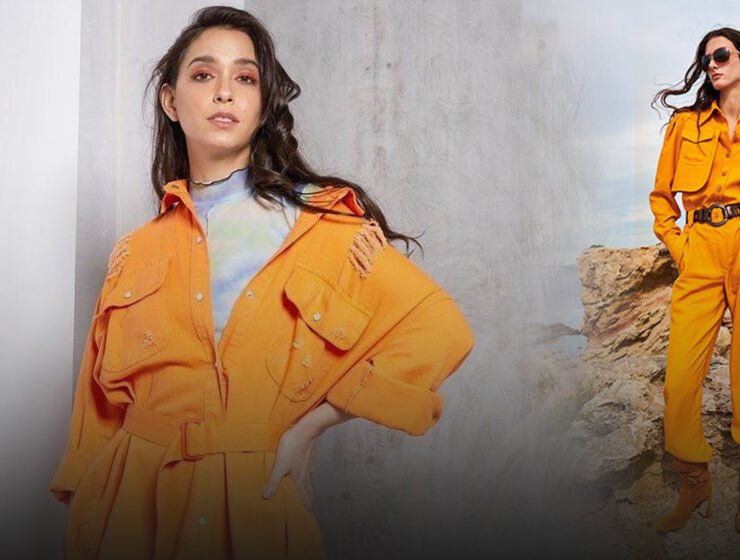
High fashion, often known as haute couture, represents the pinnacle of artistic expression within the fashion industry. It is intrinsically linked to luxury, exclusivity, and innovation, consistently pushing the boundaries of creativity. As a form of art, high fashion serves not just as apparel but as a canvas for designers to articulate their most avant-garde concepts. This domain operates at an intersection where fashion meets art, resulting in pieces that are often as much about aesthetic and conceptual richness as they are about wearability.

The significance of high fashion extends beyond its immediate visual impact—its influence permeates the broader fashion landscape. The runway collections showcased by iconic fashion houses set the tone for seasonal trends, trickling down and often inspiring ready-to-wear lines, high street fashion, and even budget apparel. Therefore, high fashion operates as a trendsetting force, shaping style directions that will be echoed across a spectrum of fashion markets.

The designers behind high fashion play a pivotal role in this process. Renowned for their craftsmanship and vision, these designers are, in many ways, the architects of contemporary style. Their artistry and ingenuity fuel high fashion’s perpetual evolution, making each collection a statement that reflects not only personal flair but broader cultural and social currents. By continuously challenging the status quo and reimagining the concept of clothing, high fashion designers cement their relevance and influence within the industry, perpetuating a cycle of innovation that drives fashion forward.

Understanding Runway Fashion

Runway fashion epitomizes the avant-garde of the style world, presenting bold, innovative trends that often seem experimental and fantastical. These events enable designers to showcase their artistic prowess and push the boundaries of fashion, producing aesthetically groundbreaking pieces. Fashion shows, hosted in prominent cities like Paris, Milan, and New York, underlie the significance of creativity and theatrics, setting the stage for what’s to come in the industry’s seasonal trends.

The primary purpose of runway presentations is to generate buzz and excitement among industry insiders, media, and the public. They serve as a launch pad for new collections, allowing designers to illustrate a comprehensive and visionary story through their work. The aesthetic qualities of runway fashion are typically characterized by meticulous attention to detail, extraordinary construction, and often, a sense of drama, all designed to leave a lasting impression on the audience.

It’s important to recognize that the extravagance of runway fashion is not always directly translatable to everyday wear. The exaggerated silhouettes, elaborate embellishments, and daring cuts seen on the catwalk are intended to highlight a designer’s concept rather than provide practical wardrobe options. However, these runway pieces often inspire more wearable adaptations, setting the tone for future trend developments.

Iconic runway shows, such as those by Chanel, Alexander McQueen, and Dior, have profoundly influenced the fashion industry over the decades. For instance, McQueen’s 1999 show, known for its dramatic, avant-garde elements, showcased his flair for combining art and fashion in a way that still resonates today. Similarly, Karl Lagerfeld’s elaborate sets for Chanel helped in crafting memorable experiences that elevated runway presentations into a form of high art. These shows have not only driven the direction of fashion but also cemented the reputations of the houses behind them as avant-garde leaders of the industry.

The Evolution of Fashion Trends

The evolution of fashion trends from haute couture runways to mainstream retail is a nuanced and intricate process. High fashion, often showcased in premier fashion weeks across Paris, Milan, and New York, serves as the bedrock for future styles and aesthetics. This diffusion of trends is facilitated by a constellation of fashion magazines, influencers, celebrities, and social media, which collectively function as intermediaries, bringing avant-garde designs into public consciousness.

Initially, fashion magazines like Vogue and Harper’s Bazaar play a pivotal role by featuring runway looks in their pages, offering curated interpretations of these trends. These publications distill high fashion concepts into accessible narratives, making bold styles more comprehensible and appealing to their readership. Alongside, iconic celebrities often don pioneer pieces from these collections at high-profile events, further amplifying visibility and desirability.

Concurrently, the rise of digital influencers has revolutionized the landscape. Social media platforms such as Instagram, TikTok, and Pinterest enable these influencers to instantly broadcast their adoptions of couture styles to millions of followers. Influencers, with their blend of personalized touch and wide reach, demystify and democratize high fashion by showcasing how runway trends can be seamlessly incorporated into everyday outfits. They act as fashion accelerators, bridging the gap between designer intent and consumer application.

As these trends gain momentum, retailers begin to interpret and adapt these styles, mindful of the general public’s demands and preferences. Fast fashion brands like Zara and H&M swiftly translate runway looks into more affordable, practical, and mass-appealing versions. This stage involves modifying extravagant designs to fit varied body types, climates, and daily wearability while retaining the essence of the original trend. These adaptations ensure that high fashion remains aspirational yet attainable for a broader audience.

The cyclic nature of fashion trends exemplifies a fascinating dialogue between high fashion and mainstream culture. By chronicling the journey from runway innovation to retail shelves, one can appreciate the multilayered processes that transform elite fashion statements into everyday wardrobe staples, continually shaping the sartorial expressions of the general populace.

Key Elements to Look Out for

High fashion, often perceived as exclusive and avant-garde, can seem out of reach for everyday wear. However, carefully identifying key elements from runway shows allows for the adaptation of these trends into practical, stylish outfits. One such element is color. Vibrant hues like neon green and pastel pink have made significant runway appearances and can be seamlessly integrated into casual wardrobe staples like sweaters and jackets.

Patterns are another adaptable element. Animal prints, florals, and geometric shapes have been prominent on the catwalk and can be toned-down for everyday use. For instance, a leopard print scarf or a geometric print blouse can introduce high fashion flair without overwhelming an outfit. Similarly, fabrics play a critical role in transitioning high fashion trends to real life. Luxurious materials like silk and velvet, frequently seen in high-fashion ensembles, can elevate a casual look when used in tops, dresses, or even accessories.

Silhouettes also offer a wealth of opportunity for integration. Oversized blazers and trousers, which dominate many recent runway shows, provide comfort while exuding a chic, modern vibe. Paired with simple pieces like jeans or plain t-shirts, these high fashion silhouettes can seamlessly meld with everyday wardrobes. A-line skirts and structured coats are other examples of silhouettes derived from high fashion that can be effortlessly worn on a day-to-day basis.

Examples of versatile trends abound. From the resurgence of the trench coat to the popularity of statement sneakers, many high fashion items have found their way into daily wear. Understanding these elements allows for a more accessible approach to fashion, bridging the gap between runway and reality. By focusing on colors, patterns, fabrics, and silhouettes, anyone can introduce high fashion elements into their daily outfits, making the cutting-edge style achievable for all.

Tips for Incorporating Runway Trends

Adapting high fashion trends from the runway into everyday wardrobes can be both exciting and daunting. The key to successfully incorporating these trends lies in balancing trendiness with personal style and making practical choices that suit your body type, budget, and lifestyle. Here are some tips to help you seamlessly include high fashion pieces in your wardrobe:

First, start with one statement piece. Runway trends often feature bold, extravagant elements that might seem overwhelming when worn altogether. Select a single standout piece, such as a unique jacket, a pair of avant-garde shoes, or an eye-catching dress, and build your outfit around it. This allows you to showcase the trend without overpowering your look.

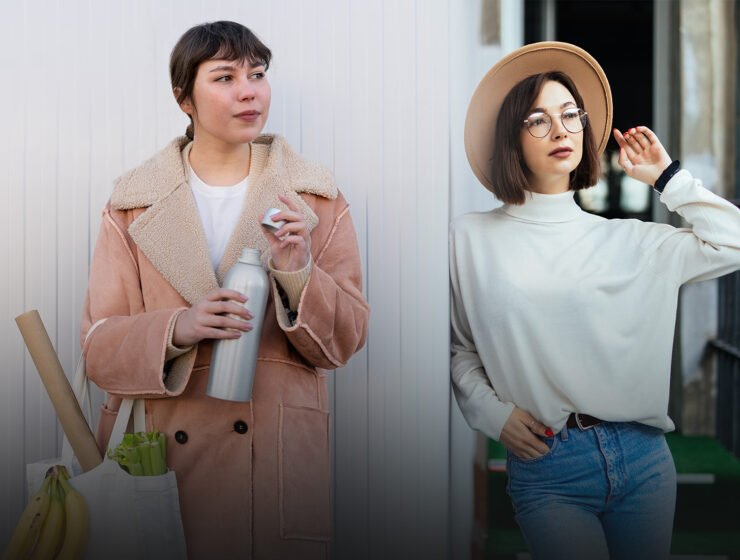
Next, mix high fashion with basic, everyday clothing. Incorporate runway trends by pairing them with your staple items like jeans, t-shirts, or neutral sweaters. This approach not only makes the high fashion elements more accessible but also ensures that your outfit remains wearable for various occasions.

Consider your body type when adapting runway trends. Fashion from the catwalk is designed to make a visual impact, but not all designs are universally flattering. Choose pieces that highlight your best features and make you feel confident. For instance, if a trend emphasizes voluminous silhouettes, ensure that the dramatised volume complements your shape rather than overwhelms it.

Budget is another critical consideration. Investing in high fashion can be expensive, but it’s possible to find trendy pieces at more affordable prices. Look for high street brands that translate runway trends into affordable styles or focus on purchasing a few key items rather than an entire new wardrobe each season.

Finally, be mindful of your lifestyle when adapting runway trends. Think about the functionality of the clothes in your everyday activities. For example, if you have a job that requires practical attire, opt for fashionable yet comfortable pieces that can transition seamlessly from work to social events.

With these tips, you can confidently incorporate high fashion trends into your everyday wardrobe, allowing you to express your style while staying true to your personal and professional life.

The Role of Accessories

Accessories play a crucial role in translating high fashion trends into wearable, everyday outfits. While high fashion runway shows often exhibit avant-garde designs that may seem impractical for daily wear, the right accessories can bridge the gap between high fashion and real-life attire. Shoes, bags, jewelry, and hats are instrumental in infusing a touch of high fashion into more conventional looks, enabling individuals to maintain a stylish appearance without overstepping practical boundaries.

Shoes, for instance, are an essential aspect of any outfit. Current trends from the runway include chunky sneakers, sleek pointed-toe boots, and embellished heels. These can be seamlessly incorporated into everyday attire. A simple pair of jeans and a blouse can transform into a chic ensemble with the addition of bold, runway-inspired footwear. Similarly, statement bags like oversized totes, mini bags, and belt bags are not only functional but also elevate an outfit by adding a fashionable edge.

Jewelry also holds significant sway in adapting high fashion trends. This season, layered necklaces, oversized earrings, and stackable rings dominate the runway. These pieces can be easily introduced into an everyday wardrobe. For example, pairing a single statement necklace or a set of chunky bangles with a basic dress or monochrome suit can inject an element of high fashion flair.

Hats are another versatile accessory that can make a substantial impact. From wide-brimmed styles to berets and bucket hats, the inclusion of a trendy hat can elevate a simple outfit into something more sophisticated and on-trend. A wide-brimmed hat paired with a tailored coat can give an effortlessly chic look, whereas a beret can add a Parisian twist to any casual ensemble.

In essence, accessories are the key to unlocking the potential of high fashion trends within the realm of everyday style. By carefully selecting and incorporating trend-focused shoes, bags, jewelry, and hats, anyone can bring a touch of runway magic into their daily looks, creating a harmonious blend of practicality and high fashion.

Case Studies: Successful Adaptations

Fashion has always been a dynamic realm where creativity meets practicality. Some runway trends transition seamlessly into everyday wardrobes, becoming cornerstone styles for the masses. Let’s delve into some notable case studies that illustrate this transformation.

One iconic example is the rise of athleisure, which brilliantly melds the sophisticated aesthetics of high fashion with the comfort of athletic wear. Initially showcased by leading designers like Alexander Wang and Givenchy, this trend gained massive traction for its versatility and ease. Practical adaptations, such as high-end sneakers teamed with tailored suits or yoga pants paired with chic blazers, made the style accessible and appealing to a broader audience.

Similarly, the trend of oversized outerwear, first seen on runways of Balenciaga and Vetements, captured public interest for its blend of comfort and statement-making presence. This high-fashion trend was adapted for daily wear through the introduction of more affordable, yet stylish, oversized coats and jackets. These pieces, often characterized by exaggerated silhouettes and luxurious fabrics, became must-have items, striking a chord with both fashion enthusiasts and those seeking comfort.

Another compelling case is the transformation of bold, vibrant prints from haute couture fashion shows into wearable pieces that resonate with everyday consumers. Designers like Versace and Dolce & Gabbana are known for their extravagant prints. These runway looks were simplified into more subtle versions like graphic t-shirts, patterned scarves, and print dresses, making them suitable for casual wear while retaining their flair.

Midi skirts, previously seen as a strictly formal garment, have also undergone successful adaptation. From Dior’s runways to street fashion, these skirts have been reimagined in versatile fabrics and neutral tones, allowing them to seamlessly integrate into both professional environments and casual settings.

The success of here-and-now fashion adaptations lies not just in retaining the essence of the original looks but also in tweaking them to meet everyday needs and preferences. These case studies demonstrate that well-executed adaptations can indeed bring high fashion trends from the runway into real life, resonating deeply with a wider audience.

Conclusion and Future Implications

The journey of adapting high fashion trends to real life is a dynamic and continuous evolution. Throughout this blog post, we have examined how runway styles transition from the elite catwalks to everyday wardrobes, underlining the importance of creativity and personal interpretation in fashion. The key takeaways reflect a significant shift towards more accessible fashion, where exclusivity is replaced by individuality and personal expression.

Fashion, as a constantly changing landscape, invites us to anticipate and embrace future trends with excitement and flexibility. The cyclical nature of fashion means that past trends often resurface, reinvented with a modern twist. Staying attuned to these changes enables enthusiasts to infuse their wardrobes with timeless elements while integrating contemporary flair. The seamless blend of the old and the new ensures that personal style remains both relevant and unique.

Moreover, the democratization of high fashion has made it more accessible than ever. Digital advancements and social media platforms have bridged the gap between luxury fashion houses and the general public, allowing trends to proliferate swiftly and organically. This newfound accessibility empowers individuals to experiment with trends, breaking traditional fashion boundaries and fostering a more inclusive fashion culture.

Individuality in fashion cannot be overstated. Encouraging readers to explore and adapt high fashion trends in ways that resonate with their personal style underscores the essence of what fashion represents – self-expression. By doing so, not only do we celebrate a diverse array of styles but also promote a sense of confidence and authenticity.

In conclusion, the landscape of fashion is brighter and more inclusive than ever before. With high fashion trends becoming increasingly adaptable to everyday life, the opportunity for personal expression through style has never been so attainable. Embrace the journey, experiment with new looks, and most importantly, let your fashion choices reflect your unique identity. The future of fashion is indeed promising, and it welcomes everyone to be a part of its exhilarating evolution.

Introduction to Beauty Hacks

In the bustling realm of daily routines, finding efficient and effective beauty solutions is a priority for many. Beauty hacks have emerged as innovative, time-saving techniques to address common beauty dilemmas without the hefty price tags or extensive effort commonly associated with traditional beauty regimens. These clever tricks, rooted in simplicity, have gained widespread recognition for their practicality and cost-efficiency.

The essence of beauty hacks lies in their accessibility, utilizing items that are often readily available in one’s home. From pantry staples to household products, these remedies offer an ingenious way to enhance one’s beauty routine. Whether it involves using a spoon to create the perfect winged eyeliner or employing coconut oil for a myriad of beauty benefits, such hacks are typically straightforward and budget-friendly. They provide an alternative to more conventional beauty solutions, which can sometimes be both time-consuming and expensive.

Furthermore, the appeal of beauty hacks extends beyond their simplicity and cost-effectiveness. They represent a creative approach to beauty, encouraging individuals to explore unconventional methods and repurpose everyday items to meet their personal grooming needs. This trend has led to a more inclusive beauty culture, where the focus is on resourcefulness and ingenuity rather than exclusive access to high-end products.

In essence, beauty hacks offer a blend of convenience, creativity, and economy, making them an appealing choice for those looking to navigate their beauty routines with ease. They serve as a testament to the notion that effective beauty solutions do not always necessitate grand gestures or significant expenditure but can be as simple as thinking outside the box with the tools at hand.

Dealing with Puffy Eyes

Puffy eyes are a common problem that can be caused by various factors such as lack of sleep, allergies, excessive salt intake, or even genetics. Fortunately, there are several quick and effective methods to reduce puffiness using simple home remedies. These solutions are not only easy to implement but also utilize readily available items. Here, we will cover some of the most effective techniques: chilled spoons, tea bags, and cucumber slices.

Chilled Spoons: One of the easiest and fastest ways to reduce puffiness is by using chilled spoons. The cold temperature helps to constrict blood vessels, reducing swelling and inflammation. Here’s how to use them:

1. Place a pair of metal spoons in the refrigerator for at least 15-20 minutes.
2. Once chilled, gently place the spoons on your closed eyelids.
3. Leave them on for at least 5-10 minutes before removing.
4. Repeat as needed for optimal results.

Tea Bags: Tea bags, especially those containing caffeine, are another effective remedy. The caffeine helps to constrict blood vessels and reduce fluid retention around the eyes. Additionally, the tannins in tea can help tighten skin. Follow these steps:

1. Brew two tea bags in hot water for a few minutes.
2. Remove the tea bags and let them cool to room temperature, then place them in the refrigerator for 10-20 minutes.
3. Once cooled, place the tea bags over your closed eyes.
4. Leave them on for 15-20 minutes before removing and rinsing your eyes with cool water.

Cucumber Slices: Cucumbers are well-known for their anti-inflammatory properties, which can be particularly effective in reducing puffiness and soothing tired eyes. Here’s how to use them:

1. Slice a chilled cucumber into thin rounds.
2. Lie down and place a slice over each closed eye.
3. Leave the cucumber slices on for 15-20 minutes.
4. Remove and enjoy the refreshed feeling.

These methods are not only quick fixes but also can be easily incorporated into your daily routine. Whether preparing for an important meeting or looking to refresh after a long day, these home remedies offer simple and effective solutions for dealing with puffy eyes.

Dealing with a broken nail can be an annoying and sometimes painful experience. However, there is a quick and efficient method to temporarily repair this common beauty issue using just a tea bag and nail glue. This simple fix can help you avoid cutting the nail off completely and maintain your manicure until a more permanent solution can be found.

Step-by-Step Guide

First, gather your materials: a tea bag, nail glue, a buffing block or nail file, scissors, and clear nail polish. Begin by cutting a small rectangular piece of the tea bag. Ensure that the piece is slightly larger than the break in your nail. The material of the tea bag will act as a patch to reinforce the broken area.

Next, apply a small amount of nail glue directly onto the broken nail. Carefully place the tea bag patch over the break and press it down gently, making sure it is securely adhered. Give it a moment to dry before proceeding to the next step.

Once the glue has dried, use the buffing block or nail file to gently smooth the surface of the nail, ensuring that the patch blends seamlessly with the natural nail. This helps to create an even surface for the next layers of product. After smoothing the area, apply another thin layer of nail glue over the patched area to seal it.

Finish by applying a coat of clear nail polish to reinforce the patch and restore a glossy finish to your nail. This additional layer not only conceals the repair but also provides extra durability.

Prevention Tips

To minimize the risk of future nail breakages, keep your nails trimmed and filed to a manageable length. Consider using a nail strengthener regularly to enhance their natural durability. Always moisturize your nails and cuticles to maintain flexibility, reducing the likelihood of breaking under pressure. Additionally, when engaging in tasks that may strain your nails, such as household chores or gardening, wearing gloves can provide an extra layer of protection.

By following these steps and prevention tips, you can effectively manage and mitigate the inconvenience of a broken nail, ensuring your hands remain looking their best.

Taming Frizzy Hair

Managing frizzy hair can be an ongoing battle for many, but several effective quick fixes can help in achieving smooth, manageable locks. One surprisingly effective remedy is the use of dryer sheets. These household items are infused with conditioning agents that combat static and smooth frizz. Simply rub a dryer sheet over dry hair, focusing on the problematic areas, for an immediate reduction in frizz and a subtle fresh scent.

Leave-in conditioners are another powerful tool in the fight against frizz. These products are formulated to provide intense hydration and nourishment to your hair throughout the day. To use, apply a generous amount of leave-in conditioner to damp, towel-dried hair. Distribute it evenly with a wide-tooth comb to ensure that each strand benefits from the moisture and protection. This method not only tames frizz but also enhances the overall health and shine of your hair.

Natural oils are also highly effective in managing frizzy hair. Options such as argan oil, coconut oil, and jojoba oil are renowned for their moisturizing properties. To apply, warm a small amount of your chosen oil between your palms and gently work it through your hair, concentrating on the ends and any particularly frizzy sections. The natural oils seal in moisture, providing a barrier against humidity and frizz, while also adding a healthy luster.

Each of these methods addresses the root causes of frizzy hair, whether it’s dryness, static, or lack of moisture. By incorporating dryer sheets, leave-in conditioners, and natural oils into your hair care routine, you can achieve smoother, more manageable hair with minimal effort. These quick fixes offer practical and effective solutions for taming frizz and ensuring your hair remains sleek and polished under all conditions.

Quick Fixes for Chapped Lips

Dealing with chapped lips can be both uncomfortable and unsightly. Fortunately, several home remedies provide quick and effective relief from this common issue. One popular option is sugar scrubs. Sugar, being a natural exfoliant, helps to remove dead skin cells from the lips, promoting smoother skin. To prepare a simple sugar scrub, mix one teaspoon of sugar with a few drops of olive oil or honey. Gently massage the scrub onto your lips in circular motions for about 1-2 minutes before rinsing it off with warm water.

Honey is another excellent remedy for chapped lips, renowned for its moisturizing and healing properties. Honey not only hydrates but also creates a barrier that helps to retain moisture. To use honey as a lip balm, simply apply a thin layer of raw honey to your lips before bed and leave it on overnight. Rinse it off in the morning to experience softer, healed lips.

Coconut oil is a versatile solution for dry lips, packed with fatty acids and vitamins that nourish the skin. It is easily absorbed, making it an effective moisturizer. To utilize coconut oil for chapped lips, apply a small amount directly to your lips multiple times throughout the day. For enhanced effects, mix coconut oil with a bit of beeswax to form a more robust lip balm.

These remedies—sugar scrubs, honey, and coconut oil—not only provide quick fixes but also contribute to long-term lip health. By incorporating these natural treatments into your skincare routine, you can ensure your lips remain smooth, hydrated, and healthy.

Brightening a Dull Complexion

Achieving a radiant and glowing complexion is a common skincare goal, especially when dull skin becomes a concern. Fortunately, there are simple and effective homemade masks that can revive your skin’s natural glow. Incorporating ingredients like yogurt, turmeric, and honey can provide significant benefits, giving your complexion a much-needed boost. Let’s explore the advantages of each ingredient and discover a quick and effective brightening mask recipe.

Yogurt is a popular base for homemade masks due to its lactic acid content, which gently exfoliates the skin, removing dead cells and revealing a smoother, brighter surface. The probiotics in yogurt also help to balance the skin’s microbiome, making it an excellent choice for improving overall skin health.

Turmeric, renowned for its anti-inflammatory and antioxidant properties, plays a crucial role in fighting dullness. Its active compound, curcumin, improves skin texture and reduces pigmentation, which contributes to an even and glowing complexion. The natural gold hue of turmeric can also impart a subtle glow to the skin instantly.

Honey, a natural humectant, helps to retain moisture in the skin, providing a plump and hydrated appearance. Its antibacterial and soothing properties make it suitable for all skin types, and it aids in healing and calming irritated skin. Together, these ingredients create a potent combination that brightens and revitalizes the skin.

Quick Brightening Mask Recipe

Ingredients:

  • 2 tablespoons of plain yogurt
  • 1 teaspoon of turmeric powder
  • 1 teaspoon of honey

Instructions:

  1. In a small bowl, mix the yogurt, turmeric, and honey until you form a smooth paste.
  2. Apply the mixture evenly over your face, avoiding the eye area.
  3. Leave the mask on for about 15-20 minutes.
  4. Rinse off with lukewarm water, and pat your face dry with a clean towel.

Regular use of this mask, once or twice a week, can significantly enhance your skin’s radiance. By utilizing these powerful natural ingredients, you can achieve a brighter, more luminous complexion with minimal effort and cost.

Concealing Blemishes Effectively

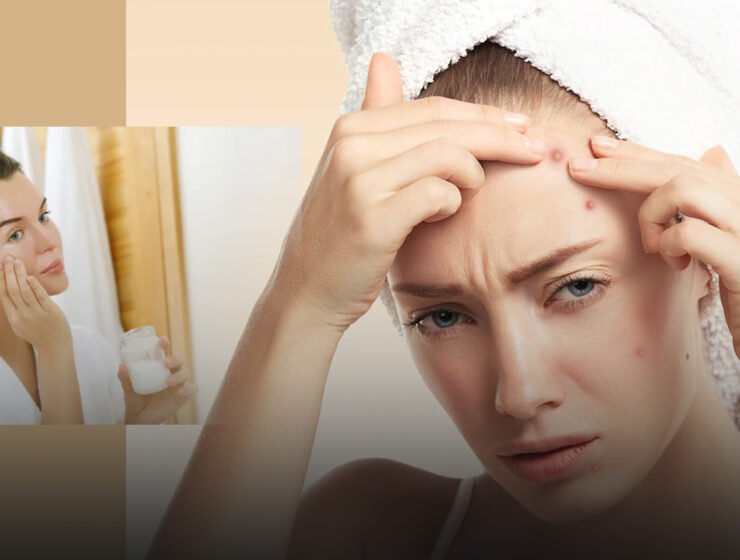
Dealing with blemishes can be a common yet frustrating aspect of skincare and makeup routines. However, employing the right techniques and products can make all the difference. One of the most effective methods to conceal blemishes begins with color correcting. This step involves using products that neutralize the discoloration caused by blemishes. For instance, a green color corrector can be used to counteract redness, while peach or orange correctors are ideal for dark spots or hyperpigmentation. Applying a thin layer of the corrector over the blemish and blending it out seamlessly ensures a smooth base for subsequent products.

Following color correcting, the next crucial step is the application of concealer. Choosing a concealer that matches your skin tone and has a high coverage formula is essential. Utilizing a small, precise brush or applicator, dot the concealer directly onto the blemish, then gently tap it into the skin using your finger or a makeup sponge. This technique allows the concealer to blend flawlessly with the rest of your makeup, providing a natural finish. For larger areas or more severe blemishes, a buildable concealer can be applied in layers until the desired coverage is achieved, ensuring each layer is well-blended before adding another.

To maintain the coverage throughout the day, setting the concealed area with powder is an indispensable step. A finely milled translucent powder works best to prevent caking and to keep the makeup in place. Lightly dust the powder over the concealed blemish using a small, fluffy brush, focusing only on the area to avoid disrupting the overall makeup. For added longevity, consider using a setting spray that provides a matte finish. This not only helps in locking the makeup but also controls oil and sheen, contributing to a flawless look that lasts.

By incorporating these techniques—color correcting, precise concealer application, and effective setting—you can effectively conceal blemishes and achieve a smooth and even complexion, boosting your confidence throughout the day.

Refreshing Your Makeup on the Go

Keeping your makeup fresh throughout the day can be a challenge, especially when you’re constantly on the move. However, with the right quick fixes, you can easily manage to look your best without needing a full reapplication. Here are some handy tips and must-have items to keep in your bag for those on-the-go touch-ups.

Firstly, blotting papers are an essential item for anyone looking to refresh their makeup quickly. These papers are perfect for soaking up excess oil and removing shine without disturbing your foundation or other makeup layers. Simply press a sheet gently against your T-zone or any particularly oily areas, and you’ll instantly notice a matte finish.

Travel-sized setting sprays are another crucial tool for maintaining a fresh look. A quick spritz can revive your makeup and help it last longer. These sprays can also give your skin a hydrated appearance, which is especially beneficial during dry or hot weather. Choose a setting spray that suits your skin type for optimal results.

Multi-purpose products are highly recommended for their versatility and convenience. A dual-purpose stick that serves as both a blush and lip color can be a lifesaver. With just one product, you can add a quick flush to your cheeks and a pop of color to your lips. This kind of multitasking tool minimizes the number of items you need to carry while providing a cohesive look.

Finally, don’t underestimate the power of a compact mirror and a set of mini brushes. These small yet mighty tools allow you to accurately touch up areas that need attention, ensuring precision and a polished finish. Keep a mascara and a small tube of concealer in your bag as well for those quick and necessary adjustments throughout the day.

By incorporating these items and tips into your routine, you can keep your makeup looking fresh and flawless all day long, no matter where your day might take you.

Introduction to the Science of Beauty

The concept of beauty has been a subject of fascination and evolution throughout human history. Historically, beauty standards have shifted dramatically across different cultures and eras, influenced by societal values, artistic trends, and technological advancements. Today, our understanding of beauty is increasingly informed by scientific research, resulting in a more nuanced and comprehensive perspective. The journey from traditional beauty practices to modern skincare and cosmetic formulations underscores the significant role that science plays in this field.

The evolution of beauty standards reflects our collective quest for an ideal aesthetic, one that often embodies health, youth, and symmetry. These ideals have been studied by scientists across disciplines, including psychology, biology, and dermatology. The scientific inquiry into beauty seeks to unravel the mechanisms behind skin aging, the efficacy of various ingredients, and the overall impact of these products on skin health. As a result, consumers today benefit from evidence-based products that promise not just aesthetic enhancement but also skin health and wellness.

The role of science in the beauty industry extends beyond superficial improvements. Researchers and developers are constantly exploring new ingredients and formulations through rigorous testing and trials. This scientific approach ensures that products are safe, effective, and tailored to meet diverse skin needs. For example, advancements in biotechnology have led to the discovery of powerful antioxidants, peptides, and other bioactive compounds that target specific skin concerns. The integration of these scientifically validated ingredients into everyday skincare regimens has revolutionized how we approach beauty.

As we delve deeper into the science of beauty, it’s essential to understand the foundations upon which modern skincare and cosmetic products are built. This knowledge not only empowers consumers to make informed choices but also highlights the importance of ongoing scientific research in advancing the beauty industry. The subsequent sections will explore various ingredients and products, unveiling the intricate science that makes them effective and beneficial for skin health and aesthetics.

Key Ingredients in Skincare Products

Skincare products often derive their efficacy from a combination of well-researched active ingredients that are known to improve skin health. Among the most common and effective of these ingredients are Alpha Hydroxy Acids (AHAs) and Beta Hydroxy Acids (BHAs), retinoids, hyaluronic acid, and antioxidants such as vitamin C. Each ingredient serves a unique function by interacting with the skin on a molecular level.

Alpha Hydroxy Acids (AHAs), such as glycolic acid and lactic acid, are water-soluble acids derived from fruits and milk. These acids work by exfoliating the surface of the skin, promoting cell turnover, and preventing the buildup of dead skin cells. As a result, AHAs help to improve skin texture, reduce the appearance of fine lines, and even out skin tone.

Beta Hydroxy Acids (BHAs), primarily salicylic acid, are oil-soluble acids that penetrate deeper into the pores. BHAs are effective in treating acne-prone skin as they help to dissolve excess sebum and exfoliate dead skin cells within the pores. This dual action reduces the occurrence of breakouts and minimizes pore visibility.

Retinoids, including retinol, are derivatives of vitamin A and are well-regarded for their powerful anti-aging properties. Retinoids work by stimulating collagen production and accelerating cell turnover. This helps diminish fine lines, wrinkles, and hyperpigmentation while improving overall skin tone and texture.

Hyaluronic acid is a naturally occurring polysaccharide that can hold up to 1,000 times its weight in water. This unique property makes it an exceptional hydrating agent, providing intense moisture to the skin without clogging pores. Regular use of hyaluronic acid helps maintain skin elasticity and plumpness, ensuring a youthful appearance.

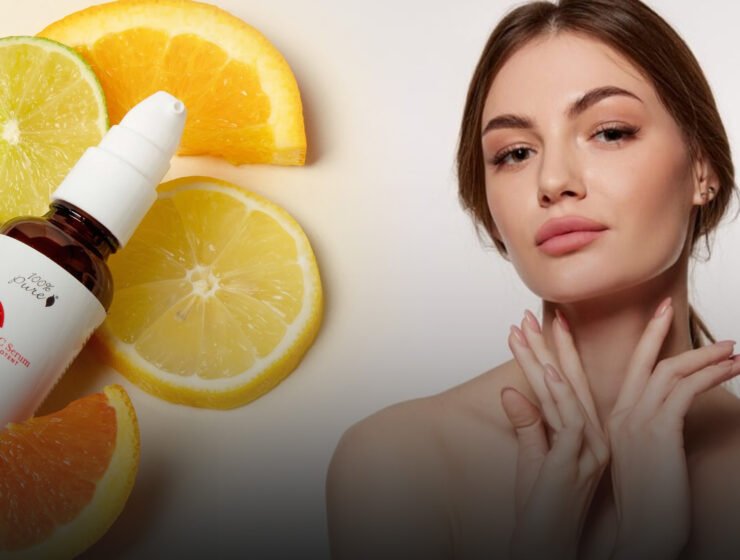
Antioxidants like vitamin C play a critical role in protecting the skin from environmental damage caused by free radicals. Vitamin C, in particular, helps to brighten the skin, reduce signs of aging, and increase the skin’s natural regeneration process. By neutralizing free radicals, antioxidants help to maintain healthy, glowing skin.

By integrating these key ingredients into your skincare routine, you can address a variety of skin concerns and achieve healthier, more radiant skin. Understanding the science behind these ingredients allows for informed choices, ensuring that your skincare products are both effective and suitable for your skin type.

The Role of Preservatives and Stabilizers

In the realm of beauty products, preservatives and stabilizers play a pivotal role in maintaining the product’s longevity, safety, and effectiveness. Without these ingredients, products would deteriorate rapidly, risking contamination and reduced efficacy. Preservatives are essential in beauty formulations to prevent the growth of harmful microorganisms such as bacteria, yeast, and mold. These microorganisms can not only spoil the product but also pose significant health risks to consumers.

Stabilizers, on the other hand, ensure that the product maintains its intended consistency and effectiveness throughout its shelf life. They help to sustain the chemical integrity and physical properties, preventing issues such as separation, crystallization, and color changes. Together, preservatives and stabilizers are crucial to the aesthetic and functional quality of the product from the moment of manufacture until it reaches the consumer.

Despite their importance, preservatives often face scrutiny from consumers who are concerned about the safety of chemical ingredients. This concerns largely stem from misconceptions and lack of information. It is paramount for consumers to understand that many preservatives used in beauty products are regulated and tested for safety by agencies such as the Food and Drug Administration (FDA) and the European Medicines Agency (EMA). For instance, parabens and formaldehyde-releasing agents are commonly used preservatives that have been extensively studied and deemed safe in the concentrations used in cosmetics.

Nonetheless, a segment of consumers seeks products free from traditional preservatives, leading to a rise in alternative preservation methods such as the use of natural preservatives and airless packaging. It’s essential for consumers to weigh their options and make informed choices grounded in scientific evidence rather than unfounded fears.

Understanding the role and safety of preservatives and stabilizers empowers consumers to make more informed decisions and appreciate the complex science behind beauty products’ longevity and efficacy.

Understanding Natural vs. Synthetic Ingredients

The debate between natural and synthetic ingredients in beauty products has been a topic of much discussion and research. Both types of ingredients bring their own set of benefits and challenges. Natural ingredients, often sourced from plants, minerals, or animals, are typically celebrated for their minimal processing and use of fewer chemicals. On the other hand, synthetic ingredients are manufactured through chemical processes and are often designed to mimic or enhance natural compounds.

Natural ingredients are perceived as safer and more environmentally friendly. For example, botanical extracts such as aloe vera or essential oils like lavender are praised for their soothing and therapeutic properties. However, it is essential to recognize that ‘natural’ does not always equate to ‘safe.’ Natural compounds can still cause allergic reactions or skin sensitivities. Moreover, the potency of natural ingredients can vary based on numerous factors, such as the harvest season or geographical location, leading to inconsistencies in product effectiveness.

Synthetic ingredients, while sometimes viewed with skepticism, offer the advantage of consistency and stability. These ingredients are engineered to have a predictable outcome and stable shelf life, ensuring that each product delivers the expected results. For instance, hyaluronic acid and retinoids—often synthesized in labs—are celebrated for their proven efficacy in skincare routines. Additionally, synthetic ingredients can be designed to avoid the allergens and irritants sometimes present in natural compounds.

From an environmental and ethical standpoint, both natural and synthetic ingredients present unique challenges. Natural ingredient sourcing can lead to sustainability issues, such as deforestation or over-harvesting, particularly when the demand is high. Conversely, synthetic production processes can involve the use of non-renewable resources and generate pollutants. However, the growing focus on green chemistry and sustainable practices is pushing the industry towards more environmentally responsible solutions for both natural and synthetic ingredients.

Understanding the composition and impact of both natural and synthetic ingredients allows consumers to make informed decisions. In the end, the choice between natural and synthetic ingredients in beauty products rests on individual preferences, informed by the balance of safety, effectiveness, and ethical considerations.

The Science of Fragrances and Sensory Attributes

Fragrances play an integral role in the realm of beauty products, enhancing user experience through their sensory appeal. The science behind creating these captivating scents is a complex interplay of chemistry and artistry. At the core, fragrances are composed of compounds that can be either natural or synthetic. Natural fragrances stem from plants, flowers, fruits, and even animal sources. Essential oils, often derived from steam distillation or cold pressing, are prominent examples. On the other hand, synthetic fragrances are concocted in laboratories to mimic or enhance natural scents while offering greater stability and longevity.

The creation of scents involves a process called perfumery, which integrates top, middle, and base notes. The top notes, or the initial impact scents, are usually light and volatile, lasting only a few minutes. The middle notes, also known as heart notes, emerge once the top notes dissipate, adding body to the fragrance. The base notes are the lasting impressions, often heavy and rich, that anchor the fragrance’s entire profile. This triadic structure assures a well-rounded and enduring olfactory experience.

From a psychological perspective, fragrances can deeply influence mood and behavior. Scents such as lavender and chamomile are widely recognized for their calming effects, while citrus and peppermint can invigorate and energize. This sensory interaction is vital for brands looking to evoke specific emotional responses through their products.

However, the use of fragrances is not without its caveats. Natural ingredients can be potent allergens, leading to reactions ranging from mild irritation to severe dermatitis. Conversely, synthetic fragrances, although designed for safety and consistency, have also been scrutinized for potential health impacts due to their constituent synthetic chemicals. As a result, consumers must be vigilant, reading ingredient lists and opting for products that align with their sensitivities and preferences.

Understanding the chemistry behind fragrances and their sensory effects enriches our appreciation of beauty products, guiding more informed and enjoyable choices.

The Importance of pH Levels in Skincare

The pH level of skincare products plays an integral role in maintaining skin health and ensuring the efficacy of these products. The pH scale ranges from 0 to 14, with 7 being neutral. Values lower than 7 are considered acidic, while those higher are alkaline. The skin’s natural pH hovers around 5.5, which is slightly acidic. This mild acidity is essential in keeping the skin’s barrier intact and protecting against harmful bacteria and pollutants.

Skincare formulations must align closely with the skin’s pH to be effective and non-disruptive. Products with a pH that diverges significantly from the skin’s natural pH can compromise the skin barrier. For instance, high pH (alkaline) cleansers can strip the skin of its natural oils, leading to dryness and irritation. Conversely, overly acidic products can cause redness, peeling, and discomfort.

Cleansers, moisturizers, toners, and other skincare products all come in varying pH levels tailored to their specific functions. For example, mild cleansers often have a pH close to 5.5 to gently cleanse without disrupting the skin’s acid mantle. On the other hand, certain exfoliating products containing alpha hydroxy acids (AHAs) or beta hydroxy acids (BHAs) are formulated with a lower pH to enhance their exfoliating power, shedding dead skin cells efficiently for a brighter complexion. However, they must be used judiciously to avoid over-exfoliation. Toners may come with balanced pH to restore the skin’s natural pH post-cleansing.

Understanding the science behind pH levels helps consumers make informed choices about their skincare routines. By selecting products with suitable pH levels, individuals can maintain the health and integrity of their skin, ensuring each product maximizes its intended benefits. Regularly checking the pH balance of skincare products is a proactive step towards achieving optimal skin health.

Innovations in Beauty Technology

The beauty industry is rapidly evolving, propelled by cutting-edge technological innovations that promise to redefine skincare and cosmetics. Personalized skincare is among the most transformative advancements. Utilizing sophisticated algorithms, personalized skincare systems analyze individual skin types, conditions, and environmental factors to recommend tailor-made products. By merging data analytics with dermatological science, these systems offer consumers a scientifically backed solution to their unique skincare needs, enhancing efficacy and overall satisfaction.

Artificial Intelligence (AI) is also revolutionizing product development within the beauty sector. AI-driven tools enable the creation of formulations that are precisely tuned to meet specific skin requirements, predicting consumer preferences with remarkable accuracy. This technology not only accelerates the research and development phase but also ensures that products are optimized for effectiveness. AI’s role extends to virtual try-on features, allowing consumers to visualize the application of makeup or skincare products in real-time before making a purchase, significantly improving the shopping experience.

Another notable innovation is the introduction of novel delivery systems for active ingredients. Traditional formulations often face challenges in delivering active ingredients effectively into the dermal layers where they can exert their desired effects. New technologies, such as encapsulation, micro-needling patches, and nanotechnology, promise to enhance the penetration and bioavailability of these active compounds. These methods ensure that vital ingredients reach their intended targets within the skin, resulting in improved performance of anti-aging, hydrating, and acne-fighting products.

These advancements are not just revolutionary but are also rigorously tested to meet scientific standards. Clinical trials and empirical research back the claims of these technologies, providing consumers with confidence in their efficacy and safety. The progressive nature of these innovations ensures that the future of beauty products is both scientifically validated and tailored to meet individualized needs, making beauty technology a cornerstone of modern skincare and cosmetics.

How to Make Informed Beauty Choices

Selecting the right beauty products can often feel like navigating through a maze, but being well-informed can make the journey more manageable and effective. The first step in making informed beauty choices is to develop a keen eye for reading ingredient labels. By understanding what goes into beauty products, you can assess which ingredients are beneficial or potentially harmful to your skin type. Ingredients like hyaluronic acid and niacinamide are frequently praised for their hydrating and brightening properties, respectively, while certain sulfates and parabens may need to be approached with caution due to their potential to irritate sensitive skin.

It’s equally important to decipher marketing claims found on product packaging. Words like “natural”, “organic”, or “dermatologist-tested” often carry a marketed allure but may not always align with stringent scientific definitions or personal needs. For instance, “natural” ingredients are not inherently safer and can sometimes be allergens or irritants. Understanding the science behind these terms can help you filter out products that do not align with your requirements.

Another critical aspect is choosing products aligned with your unique skin concerns and requirements. Conduct a thorough assessment of your skin type—whether it’s oily, dry, combination, or sensitive—and select products that address specific issues such as acne, hyperpigmentation, or premature aging. Personal research and, if necessary, consultations with skincare professionals can offer targeted recommendations. Testing new products on a small skin patch before full application can also preempt adverse reactions.

Additionally, customer reviews and clinical studies can provide valuable insight into a product’s efficacy. Products backed by credible research or positive user feedback often stand a higher chance of offering favorable results.

Ultimately, making informed beauty choices is an empowerment journey. By becoming knowledgeable about ingredients, skeptical of marketing hyperbole, and attuned to your skin’s needs, you pave the way for a more personalized, effective, and enjoyable beauty regimen.

How to Accessorize: Tips for Enhancing Any Outfit

Introduction to Accessorizing

Accessorizing is a multifaceted concept in the realm of fashion that involves the use of additional items to complement and enhance one’s outfit. These supplementary elements, known as accessories, play a crucial role in elevating a look from mundane to exceptional. By carefully selecting and coordinating various accessories, an individual can add personal flair, texture, and depth to their attire.

Accessories encompass a wide range of items, each serving a unique purpose and catering to different fashion sensibilities. Jewelry, for instance, including necklaces, bracelets, earrings, and rings, can add sparkle and sophistication. Scarves provide both warmth and a pop of color or pattern, while hats can be both functional and stylish, offering protection from the elements and a distinctive touch to any ensemble.

Bags are not only practical for carrying daily essentials but also act as a fashion statement, with countless styles ranging from clutches to totes. Belts can cinch to accentuate the waist or add a striking visual element with their design. Footwear, another vital category of accessories, includes everything from casual sneakers to elegant heels, each pair capable of dramatically influencing the outfit’s overall tone.

The potential of accessories extends beyond mere decoration; they serve as a powerful tool for personal expression. Whether embracing bold, statement pieces, subtle, understated details, or a mix of both, individuals can reflect their unique style and creativity. The strategic use of accessories allows one to experiment with different looks and adapt their wardrobe to various occasions, all while maintaining an inherent sense of individuality.

Ultimately, accessorizing is about balance and self-expression. When done thoughtfully, it transforms an outfit, making it not only aesthetically pleasing but also a true portrayal of one’s personality and taste. Accessorizing is therefore an indispensable aspect of fashion that empowers individuals to enhance their appearance and make a lasting impression.

Understanding Color Coordination

Color coordination is a fundamental aspect of accessorizing effectively, requiring a clear understanding of color theory and its principles. At its core, color theory helps in selecting and combining hues that either complement or contrast with each other, creating a cohesive and visually appealing ensemble.

A valuable tool in mastering color coordination is the color wheel, which organizes colors in a circular format. Primary colors (red, blue, and yellow) form the foundation, secondary colors (green, orange, and purple) result from mixing primary colors, and tertiary colors emerge from further blending. By utilizing this wheel, one can identify complementary colors, which are opposite each other on the wheel, and analogous colors, which are next to each other. Complementary colors, such as blue and orange, provide a vibrant contrast, while analogous colors like blue and green offer a harmonious combination.

When accessorizing, it’s crucial to carefully pair accessories with your outfit’s color palette. For instance, if wearing a green dress, complementary accessories in red can make a bold statement. Alternatively, opt for analogous colors, such as teal or lime green accessories, to achieve a more subdued yet stylish look. To avoid color clashes, stick to no more than three colors within your outfit and accessories. This ensures a balanced appearance without overwhelming the eye.

Neutral accessories, such as black, white, beige, and gray, play a pivotal role in providing versatility. These colors can seamlessly blend with any outfit, making them invaluable for individuals seeking a polished look without the complexities of color coordination. For example, a black handbag or beige shoes can complement practically any attire, from casual wear to formal outfits.

Effective color coordination in accessorizing not only enhances your appearance but also reflects a thoughtful and stylish approach to fashion. By understanding and utilizing color theory, you can create balanced and harmonious looks that make a lasting impression.

Balancing Proportions

Understanding how to balance proportions with accessories is crucial to elevating any outfit. The significance of proportion cannot be overstated, as it helps create harmony and keeps your look from being overwhelming. When choosing accessories, it is essential to consider the size and volume of each piece in relation to your outfit and overall aesthetic.

To avoid overwhelming your attire, large accessories should be paired with more understated pieces. For instance, if you opt for a bold statement necklace, balance it with smaller and subtler earrings and avoid oversized bracelets. This approach maintains a well-proportioned silhouette, allowing each accessory to shine without competing for attention.

Selecting the right size of accessories also varies according to the occasion, body type, and outfit structure. During formal events, understated and delicate accessories are often more appropriate, while casual settings can embrace bolder choices. In addition, consider how your body type influences the choice of accessories. Individuals with a petite frame might find that oversized pieces can overwhelm their figures, while those with larger frames may benefit from more substantial accessories to maintain balance.

Outfit structure also plays a crucial role. An intricately designed dress or top warrants simpler accessories to keep the ensemble from looking too busy, while a minimalist outfit can be enhanced with more elaborate pieces. Visual examples can illustrate the impact proportions have on an outfit. For example, a classic little black dress can be transformed with a chunky necklace for a twist of sophistication, or a simple turtleneck can be elevated with a pair of bold earrings.

Incorporating these principles of balance ensures that your accessories enhance rather than detract from your overall look, allowing you to present a polished and well-proportioned appearance regardless of the occasion. By mastering the art of balancing proportions, you can make confident and stylish accessory choices every time.

Layering Accessories

Layering accessories is an art that can elevate any outfit from ordinary to extraordinary. The key to mastering this technique lies in creating a balanced and cohesive look without overwhelming the ensemble. There are various elements to consider, such as the type of accessories, their textures, metals, and styles. Here are some detailed insights and step-by-step guidance on how to layer necklaces, bracelets, rings, and other accessories effectively.

When layering necklaces, start with a simple base piece, such as a delicate chain or pendant. Gradually add longer and more intricate pieces, ensuring that each layer remains visible and distinct. Aim for variety in length and thickness to create depth. For instance, a choker, a mid-length chain, and a longer necklace with a bold pendant can complement each other beautifully.

For bracelets, mix and match different textures and materials. Combining leather cuffs with delicate bangles or charm bracelets can create a dynamic and stylish wrist stack. The key here is balance; avoid overloading one arm while keeping the other bare. Instead, distribute the layers evenly – two or three pieces per wrist can make a noticeable impact. Remember to keep the color palette harmonious to avoid a cluttered look.

Layering rings can add an intricate touch to your outfit. Start with stacking rings on a few fingers, incorporating rings of varying sizes and designs. Mix metals—such as gold, silver, and rose gold—to add a bit of flair. However, avoid covering all your fingers; sticking to a few allows each ring to stand out without appearing excessive.

Mixing different textures, metals, and styles is key to achieving a dynamic appearance. For instance, pairing a rugged leather bracelet with a sleek silver bangle or combining various ring styles—such as minimalist with ornate—can create a look that is both cohesive and interesting. The subtle contrast can elevate your overall outfit, making it stand out effortlessly.

The essential aspect of layering accessories is to experiment and find a combination that suits your personal style. Pay attention to proportions, balance, and harmony to create an ensemble that feels deliberate and well-composed. By following these guidelines, you can master the art of layering, adding depth and interest to any outfit.

Statement Pieces vs. Subtle Accents

When it comes to accessorizing, understanding the distinction between statement pieces and subtle accents is essential for elevating your outfit. Statement pieces are bold, eye-catching items designed to capture attention and serve as the focal point of your ensemble. These can include items such as oversized earrings, bold necklaces, standout shoes, or an intricately designed handbag. On the other hand, subtle accents are understated accessories that complement your overall look without overpowering it. Examples of subtle accents include delicate bracelets, simple stud earrings, and minimalist rings.

Statement pieces are particularly effective for special occasions or events where you want to make a lasting impression. For instance, a bold necklace can dramatically enhance a little black dress, or a pair of standout shoes can add flair to a neutral-colored outfit. These items are best paired with minimalistic clothing to prevent the ensemble from appearing cluttered. For example, pairing a bold necklace with a simple blouse allows the necklace to shine as the centerpiece, while the clothing remains understated.

On the other hand, subtle accents are more appropriate for everyday wear or professional settings, where a more restrained appearance is often preferred. These accessories add a touch of elegance and sophistication without drawing too much attention. For instance, adding a delicate bracelet to a work outfit can enhance your look subtly and professionally. Moreover, subtle accents can also be layered to add depth and dimension, creating a balanced and cohesive appearance.

When accessorizing, it’s important to strike a balance between statement pieces and subtle accents based on the occasion and your personal style. By thoughtfully integrating these two types of accessories, you can create versatile and polished outfits, each with its own unique flair. Whether you’re aiming for a dramatic entrance or a refined, everyday look, choosing the right accessories can significantly elevate your fashion game.

Accessorizing for Different Occasions

Mastering the art of accessorizing to suit different occasions is an essential skill for enhancing any outfit. The right accessories can elevate your look, make a statement, and convey the appropriate tone for various settings. Here, we explore guidelines to help you choose the ideal accessories for casual outings, professional environments, formal events, and social gatherings.

Casual Outings

For casual outings, comfort and simplicity should drive your choices. Opt for minimalistic jewelry like stud earrings, stackable rings, and simple bracelets. A crossbody bag or a tote can add functionality without compromising style. Footwear should be practical yet chic, with options like stylish sneakers or neutral-toned sandals. Additionally, hats, scarves, or belts can add a touch of personal flair to a relaxed look.

Professional Environments

In professional settings, accessories should be understated yet polished. Select elegant pieces such as pearl earrings, a delicate necklace, and a classic wristwatch. Structured handbags, such as a leather tote or briefcase, convey a sense of professionalism. Shoes should be clean and sophisticated, with pumps or loafers being optimal choices. Keep accessories coordinated with your outfit to maintain a cohesive and professional appearance.

Formal Events

When attending formal events, indulge in more glamorous accessories. Statement jewelry, such as chandelier earrings, cocktail rings, and embellished clutches, can elevate a formal ensemble. Consider classic timepieces and sophisticated footwear like high heels or formal flats. Ensure that your accessories complement the tone and color of your attire, providing an elegant and refined finish to your look.

Social Gatherings

Social gatherings offer an opportunity for playful and expressive accessorizing. Layered necklaces, bold bracelets, and colorful scarves can add a vibrant touch. Crossbody bags or fashionable clutches work well for these settings. Experiment with trendy sunglasses or hats to enhance your outfit. Mixing and matching diverse accessories can create a unique and lively appearance suitable for social events.

Transitioning from Day to Night

Transitioning accessories from day to night can be seamless with a few adjustments. Swap casual or modest jewelry with more striking pieces like statement earrings or a bold necklace. Replace daytime bags with a sleeker evening clutch. Additionally, consider changing into more formal footwear and adding a chic wrap or shawl for an elegant nighttime look.

Ultimately, successfully accessorizing for different occasions requires understanding the nuances of the event and selecting pieces that reflect its spirit while staying true to personal style. By following these guidelines, you can accessorize skillfully and appropriately for any setting.

Incorporating Personal Style

When it comes to accessorizing, one of the most vital aspects is infusing your unique personal style into each choice. Personal style is an outward expression of inner identity, and accessories are the perfect medium to showcase this individuality. Various fashion styles provide a spectrum of opportunities to incorporate distinct elements that make your look uniquely yours.

For those with a bohemian flair, think of incorporating earthy tones, layered necklaces, and handcrafted jewelry. The boho style thrives on the natural and eclectic, so don’t shy away from mixing different textures and materials. Vintage enthusiasts, on the other hand, can delve into the charm of bygone eras with heirloom pieces, antique brooches, and delicate lace gloves that hark back to a classic elegance.

Minimalist style adherents often lean towards the ‘less is more’ philosophy. However, simplicity does not equate to dullness. A sleek watch, a pair of stud earrings, or a geometric pendant can serve as sophisticated touches that complement the minimalist aesthetic without overwhelming it. These subtle details speak volumes about a refined and understated taste.

Experimenting with new accessory trends can breathe fresh life into your wardrobe, but it’s important to stay true to your personal tastes. If a bold trend like chunky chains or oversized hats catches your eye, try integrating it in a way that aligns with your comfort zone. It’s all about balance; let your personal style be the anchor while you delve into new trends.

Confidence is the cornerstone of pulling off any accessory choice. If you wear an accessory with authenticity, it will invariably enhance your outfit. Whether it’s a vibrant scarf that stands out or an elegantly subtle bracelet that finishes off your look, confidence in your choices will shine through and elevate your entire ensemble.

Accessorizing on a Budget

Accessorizing doesn’t require a substantial financial outlay. By applying a few savvy strategies, it’s possible to enhance any outfit stylishly while remaining budget-conscious. One of the most effective methods of accessorizing on a budget is by exploring affordable accessory options. These include stores offering costume jewelry, seasonal sales, and clearances where stunning pieces can often be found at a fraction of their original cost.

Thrift shopping is another excellent avenue for finding unique and budget-friendly accessories. Consignment stores, pawn shops, and online marketplaces often carry pre-loved items with timeless appeal. The thrill of treasure hunting through these channels can yield distinctive and high-quality pieces that add a unique flair to your outfits.

DIY accessories provide a personal touch whilst saving money. Tutorials abound online, demonstrating how to create elegant earrings, necklaces, or bracelets with minimal material costs. Re-purposing household items like buttons, ribbons, or old jewelry parts can breathe new life into your accessory collection without extra spending.

Harnessing the savings offered by online deals and sales can also significantly cut down costs without sacrificing style. Websites and apps dedicated to flash sales, discount codes, and voucher offers can unlock fantastic bargains. Additionally, subscribing to newsletters from accessory brands will ensure you are notified of upcoming sales and exclusive deals.

When building a wardrobe of accessories on a budget, prioritize versatile pieces. Items such as a classic watch, simple stud earrings, or a neutral belt can be mixed and matched with numerous outfits, maximizing their utility. Scarves, hats, or brooches that can transition from casual to formal settings ensure your limited budget stretches further.

Lastly, creativity in repurposing existing items can bolster your accessory game without additional expenditure. Transform a pendant into a brooch or use a colorful scarf as a headband. Layering various modest accessories together can yield a sophisticated look. By adopting these methods, accessorizing fashionably can be comfortably achieved within budget constraints.

Introduction to Effortless Style

In today’s fast-paced world, looking good doesn’t have to be complicated or expensive. Elevating your everyday look involves making simple style upgrades that not only enhance your appearance but also boost your confidence. The essence of effortless style lies in its simplicity and accessibility, allowing anyone to improve their daily attire without breaking the bank.

When you dress well, you feel good about yourself, and this self-assurance can positively affect various aspects of your life, from personal interactions to professional engagements. Effortless style is not about keeping up with ever-changing trends but about making subtle, timeless changes that reflect your personality and complement your lifestyle.

Simple style upgrades can range from incorporating a few key accessories into your wardrobe to experimenting with different color palettes and fits. These small yet impactful changes can be easily integrated into your daily routine, ensuring that you always present the best version of yourself.

Moreover, feeling confident in your attire doesn’t have to come with a hefty price tag. By being strategic with your purchases and focusing on versatility, you can create a wardrobe that works for various occasions without the need for constant updates. This approach not only saves money but also reduces the overwhelming task of choosing an outfit every day.

Ultimately, the goal of elevating your everyday look is to make you feel empowered and ready to take on whatever the day brings. With a few thoughtful adjustments, anyone can achieve a polished and sophisticated appearance that exudes confidence and poise.

Assess and Refresh Your Wardrobe

Enhancing your daily style begins with a keen evaluation of your existing wardrobe. The first step is to carry out a thorough closet audit. This process entails pulling out every item in your closet and critically analyzing each piece. Ask yourself a few pertinent questions: When was the last time I wore this? Does this item still fit me well? Is this piece still in style, and does it align with my current taste? Doing so will help you identify outdated or rarely worn items that no longer add value to your wardrobe.

Once you’ve evaluated your closet’s contents, create two piles: one for items you will keep and another for items you will donate or repurpose. Embrace the opportunity to give back by donating gently worn clothes to charity organizations, or explore creative avenues to repurpose certain pieces, thus contributing to a sustainable cycle of fashion.

After purging unnecessary items, focus on identifying essential, versatile pieces that can serve as the backbone of your daily outfits. Think of classic items such as a tailored blazer, a pair of well-fitted jeans, crisp white shirts, and a quality pair of shoes. These foundational pieces are not only timeless but also serve as versatile building blocks for a multitude of looks, whether you’re dressing for a casual day out or a more formal occasion.

Once your closet contains a streamlined selection of essentials, consider strategically integrating a few trend-driven pieces to keep your style current without overwhelming your wardrobe. Scarves, statement jewelry, and seasonal accessories can refresh your look with minimal investment.

By regularly assessing and refreshing your wardrobe, you ensure that it remains a source of inspiration rather than a source of frustration. These mindful practices are valuable steps toward establishing a cohesive and functional wardrobe that elevates your everyday style effortlessly.

Invest in Quality Basics

Investing in high-quality basics is a cornerstone of achieving a polished and versatile wardrobe. Classic pieces such as well-fitting jeans, white shirts, and neutral-colored sweaters are more than mere garments— they form the foundation of any wardrobe, suitable for a variety of occasions and styles. Their understated elegance and timeless appeal make them indispensable for creating a myriad of stylish looks.

When it comes to jeans, a pair that fits perfectly can work wonders for your everyday style. Opt for a cut that flatters your body shape and is versatile enough to be worn with various tops and shoes. High-quality denim not only enhances your silhouette but also offers longevity, making it a worthwhile investment that outlasts fleeting trends. Whether dressed up with a blazer or dressed down with a casual tee, well-fitting jeans are a wardrobe essential that can seamlessly transition between different settings and seasons.

Similarly, the classic white shirt is a wardrobe staple that exudes sophistication and simplicity. Its versatility allows for countless styling options—from pairing it with tailored trousers for a professional look to wearing it with a skirt for a more relaxed yet chic appearance. The crispness of a finely made white shirt adds a touch of refinement to any outfit, solidifying its position as a must-have in any fashion-conscious individual’s collection.

Neutral-colored sweaters, too, play a pivotal role in enhancing your everyday look. These understated yet elegant pieces can be layered over shirts, under blazers, or worn alone. Their ability to seamlessly blend with various colors and patterns ensures they remain versatile and relevant year after year. The durability and comfort of high-quality fabric further signify their value, providing both warmth and style without compromising on longevity.

In essence, prioritizing quality basics like jeans, white shirts, and neutral sweaters creates a robust wardrobe foundation. These timeless pieces not only offer endless outfit possibilities but also epitomize enduring style, making them worthy investments for elevating your everyday look.

Add Statement Accessories

Accessorizing can significantly impact one’s style by offering easy and effective upgrades to everyday outfits. These supplementary elements, if chosen wisely, provide a personal touch and a sense of completeness without overwhelming the ensemble.

Bold jewelry, for instance, is a versatile addition that can elevate a simple, neutral outfit. Consider a striking necklace or a pair of oversized earrings; such accessories draw attention and add a focal point. Mixing metals or opting for pieces that incorporate colorful gemstones can also enhance the aesthetic appeal without being overly extravagant.

Stylish belts are another excellent example of statement accessories. A well-chosen belt not only adds definition to the waistline but also introduces an element of interest to even the most basic attire. Wide belts with unique buckles or those in vibrant colors and patterns can transform a plain dress or a pair of jeans and a tee into a chic outfit.

Trendy handbags and shoes are indispensable in any fashion enthusiast’s arsenal. A fashionable handbag can act as both a practical and stylish element of your ensemble. Whether it’s a structured tote, a minimalist clutch, or an avant-garde crossbody bag, the right handbag can tie your outfit together seamlessly. Moreover, footwear can make or break an outfit. Shoes in bold colors, unique prints, or innovative designs have a powerful impact. Consider ankle boots with metallic details or sneakers with a pop of color; they can instantly lift a casual look.

Ultimately, the beauty of statement accessories lies in their ability to enhance everyday outfits through small yet significant changes. By integrating bold jewelry, stylish belts, and trendy handbags or shoes into your wardrobe, you can infuse your personal style and elevate your look effortlessly.

Master the Art of Layering

Layering is a versatile technique that can dramatically enhance your everyday look by adding depth and visual interest to your outfits. By mastering the art of layering, you can create a stylish and cohesive ensemble that’s both practical and fashionable for any occasion.

One of the fundamental principles of layering is to start with a solid base. This often involves a simple, neutral top such as a t-shirt or blouse, which serves as the foundation for more elaborate layers. From there, you can introduce a variety of textures and colors to build a rich and dynamic look. For instance, a lightweight knit sweater can be layered over your base piece, followed by a structured jacket or a cozy cardigan.

Combining different textures and fabrics is essential in creating a visually appealing outfit. Think about mixing silk with wool, or denim with chiffon, to create a contrast that’s both sophisticated and intriguing. It’s also beneficial to play with colors—sticking to a unified color palette can tie your outfit together seamlessly, while a bold, contrasting piece can add a pop of excitement.

Seasonal considerations are crucial when it comes to layering. In cooler months, opt for heavier fabrics like wool or fleece to provide warmth without sacrificing style. A coat with a scarf and gloves can be layered over your outfit, ensuring you stay comfortable and chic. During warmer seasons, choose lightweight layers such as linen or cotton, and keep your layers breathable to prevent overheating. A light cardigan or denim jacket can be perfect for a breezy summer evening.

Layering isn’t just about piling on clothes; it’s about strategically combining pieces to enhance your overall look. By paying attention to textures, colors, and seasonal needs, you can master the art of layering and elevate your everyday style with ease and confidence.

Incorporate Current Trends Subtly

Incorporating current fashion trends into your everyday look need not be an overwhelming endeavor. Rather than undertaking a complete wardrobe overhaul, subtle additions can seamlessly blend the latest styles with your personal aesthetic. Start with minor incorporations such as adding a trendy pattern or a popular color. For instance, if animal prints are a significant trend, consider integrating a leopard print scarf or a pair of zebra-striped shoes, rather than opting for a full animal print outfit.

Furthermore, when choosing to incorporate trends, select elements that resonate with your personal style. It is essential to stay true to yourself while embracing the new. If bold colors are in vogue, and you prefer a more subdued palette, look for accessories in vibrant hues. A bright handbag or a statement necklace can inject life into your ensemble without deviating from your comfort zone.

Layering is another effective method to integrate trends subtly. Consider using a trendy item as part of your layering strategy. A fashionable jacket or a chic outer layer over a classic outfit can instantly modernize your look. By doing so, you add a touch of contemporary flair while maintaining a well-loved foundation.

Moreover, focus on the details. Sometimes, the smallest changes can have the most significant impact. Updated footwear, trendy jewelry, or modern belt designs can serve as perfect trend incorporations that don’t overpower your style. Keeping the balance ensures you remain stylishly relevant without compromising your individuality.

Lastly, adapt the trends to the context of your daily activities. If your routine involves formal settings, opting for trend-aware yet understated accessories can be more suitable. Conversely, if your day-to-day is casual, you can afford to be a bit bolder with your choices. The key is to blend current trends subtly to enhance, rather than overshadow, your unique fashion sense.

Pay Attention to Grooming

Personal grooming plays an indispensable role in enhancing your overall appearance. Regular attention to grooming not only complements your stylish wardrobe but also radiates confidence and care in one’s personal presentation. Crucial components include maintaining clean and well-styled hair, neat nails, and healthy skin.

Taking time to care for your hair can greatly influence your daily look. Whether you prefer a classic cut or a modern style, visiting a barber or hair stylist regularly ensures your hair remains well-trimmed and neat. For at-home care, invest in quality shampoos and conditioners tailored to your hair type to keep it looking healthy and vibrant. Daily styling with appropriate products helps maintain your chosen look without appearing unkempt.

Neat nails are also central to a polished appearance. For men, keeping nails trimmed and clean reflects well on personal tidiness. For women, periodic manicures ensure nails look their best, whether you prefer a natural look or enjoy experimenting with nail colors and designs. Simple steps like moisturizing your hands and nails contribute to their overall health and appearance.

Healthy skin forms the foundation of an elevated look. Develop a skincare routine that suits your skin type, whether that involves cleansing, exfoliating, moisturizing, or applying sunscreen. Proper skincare prevents issues like acne and dryness, ensuring your skin looks its best. Incorporate products with SPF to protect against sun damage, making your skin look more youthful over time.

Quick grooming tasks like brushing your teeth twice a day, shaving or trimming facial hair, and using deodorant add to a well-groomed appearance. Even on busy days, maintaining these simple habits is crucial.

Incorporating these grooming practices into your daily routine ensures that your style upgrades are complemented by a polished and well-maintained personal appearance. This harmonious blend of grooming and fashion elements can significantly elevate your everyday look, making you feel confident and well-prepared for any occasion.

Building a Capsule Wardrobe

A capsule wardrobe is a carefully curated collection of essential clothing items that transcend transient trends, allowing for easy mixing and matching. This approach not only simplifies daily outfit choices but also promotes sustainability and mindful consumption in fashion. Creating your own capsule wardrobe begins with understanding your personal style and daily needs, as well as considering the versatility and longevity of each piece.

Begin by assessing your current wardrobe. Identify items you frequently wear and pieces that align with your lifestyle and personal style. Remove clothing that is rarely used, out of fashion, or doesn’t fit properly. This step helps in decluttering and sets a clear foundation for your capsule wardrobe.

Next, consider the key categories that form the backbone of everyday attire. Typically, these include tops, bottoms, outerwear, and a few statement pieces. For tops, invest in classic shirts and blouses in neutral colors, such as white, black, and navy. These items serve as versatile bases that can be dressed up or down. Bottoms should include a pair of well-fitted jeans, tailored trousers, and a comfortable skirt—each offering different looks while maintaining ease of coordination.

Outerwear is crucial for a capsule wardrobe. A classic trench coat, a versatile blazer, and a cozy knit sweater are ideal choices that provide both function and style. These pieces should be suitable for various weather conditions and seamlessly integrate with other wardrobe items.

Including a few statement pieces can add individuality to your capsule wardrobe. Think of a patterned scarf, a bold handbag, or a unique piece of jewelry. These items inject personality without overwhelming the simplicity and cohesion of the capsule approach.

Maintaining a well-balanced capsule wardrobe requires mindful shopping and periodic reassessment. Prioritize quality over quantity, selecting timeless pieces made from durable materials. This strategy not only ensures the longevity of your wardrobe but also makes the process of dressing each day effortless and satisfying.

Introduction to the Year’s Makeup Trends

Over the years, makeup trends have continually evolved, mirroring broader cultural shifts and advances in the beauty industry. Keeping abreast of the latest makeup trends not only enables individuals to stay stylish and relevant but also allows for personal expression through the latest beauty innovations. This year is no exception, with exciting trends emerging that are set to redefine beauty standards.

One of the most significant driving forces behind these evolving trends is the pervasive influence of social media. Platforms like Instagram, TikTok, and YouTube serve as virtual runways where influencers and makeup enthusiasts showcase their creativity. Their reach is immense, democratizing makeup trends and making them accessible to a broader audience. These influencers often collaborate with big cosmetic brands, further setting the stage for what’s deemed fashionable.

Moreover, celebrities continue to hold a notable sway in shaping makeup trends. From red carpet looks to everyday street style, their choices often spark widespread interest and imitation. For instance, when a celebrity adopts a particular makeup style or color, it often quickly becomes a trend. Their prominent presence across various media channels amplifies these trends, ensuring they gain traction and popularity.

Staying updated with makeup trends not only provides a boon for personal style but also reflects a connection with the zeitgeist. It allows for experimentation, and the exploration of new techniques, and often leads to the discovery of innovative products that cater to the changing needs and preferences of beauty enthusiasts. As this year unfolds, the makeup landscape is set to embrace both the bold and the subtle, ensuring there is something for everyone.

Trending Makeup Looks for the Year

This year, the makeup landscape is seeing a fascinating blend of styles and techniques, each contributing to an ever-evolving definition of beauty. A cornerstone of this year’s trends is the natural makeup look. Celebrated for its minimalist approach, this style emphasizes subtle enhancement of one’s features, often using lightweight foundations, nude lip colors, and soft, earth-toned eyeshadows. This trend aligns perfectly with the growing preference for easy, everyday wearability.

On the other end of the spectrum, bold eyes have made a notable comeback. Vivid eyeshadow palettes, striking eyeliners, and dramatic lashes are all tools being used to create statement looks that are anything but subdued. Graphic eyeliner, a standout technique within this trend, employs sharp, geometric lines and pops of color to draw attention to the eyes, making them the focal point of any makeup routine.

Glossy lips are another trend capturing attention this year. Shifting away from the matte lipsticks that dominated past seasons, the glossy lip look exudes an effortless glamour. Lip glosses and balms are being used to add a touch of shine and dimension, while also providing hydration. Whether in a sheer tint or high-shine finish, glossy lips can elevate an understated makeup look or complement a more elaborate style seamlessly.

Dewy skin continues to be a much-loved trend, reflecting a healthy, radiant complexion. Achieving this look often involves the strategic use of hydrating primers, luminous foundations, and highlighters. Techniques such as strobing, which focuses on highlighting the high points of the face, play a crucial role in attaining that coveted lit-from-within glow. Incorporating skincare into makeup routines ensures that the dewy skin trend not only looks good but also benefits one’s skin health.

Among the new techniques gaining traction, the use of makeup tools like beauty blenders and silicone applicators are revolutionizing the application process. These tools allow for more precise, flawless finishes and are becoming must-haves in makeup kits. This year’s trends embrace both simplicity and bold expression, ensuring there is something for everyone in the ever-vibrant world of makeup.

Colors and Palettes Dominating the Scene

This year, makeup enthusiasts are witnessing a dynamic shift in color trends that are influencing the beauty landscape. Among the most notable changes is the predilection for earthy and natural tones. Eye shadows, in particular, are gravitating towards muted greens, deep browns, and soft taupes. These colors evoke a sense of groundedness and are versatile enough to be worn both day and night, aligning with the current emphasis on understated yet sophisticated aesthetics.

Lipsticks, on the other hand, are embracing richer and bolder hues. Dark reds, plums, and berry shades are reigning supreme, catering to a diverse array of skin tones and preferences. These vibrant colors not only make a strong fashion statement but also enhance the overall facial structure. The reason behind this shift towards more striking lip colors can be attributed to the growing desire for makeup that can transition seamlessly from professional settings to social gatherings.

Blushes are seeing a resurgence in popularity, with a clear trend towards warmer, sun-kissed tones. Apricot, coral, and terracotta blushes are becoming go-to choices for achieving a healthy, radiant look. These shades mimic the natural flush of the skin, offering a youthful and fresh appearance. The influence of seasonal colors is evident here, as these warm hues are particularly resonant with the spring and summer months, reflecting a broader trend towards embracing natural beauty.

The overall palette preferences this year suggest a significant move towards embracing individuality and self-expression through makeup. The choice of earthy eye shadows, bold lipsticks, and warm blushes speaks to a broader cultural moment that values both subtle sophistication and vibrant expression. This balance allows for endless creativity while remaining rooted in timeless elegance.

Makeup Routines and Product Innovations

The landscape of daily makeup routines has transformed significantly, driven in part by the demand for efficiency and new product innovation. The trend leans towards a minimalist approach, focusing on quick yet effective results. This evolution is characterized by the rise of multi-functional products that combine several steps into one, such as tinted moisturizers with SPF and serums that double as primers. These products not only simplify the routine but also cater to the needs of busy individuals.

One standout trend is the integration of skincare within makeup products. For instance, foundation formulas now often include hydrating ingredients like hyaluronic acid and vitamin C, aiming to enhance skin health while providing coverage. These innovations have been well-received, with many users noting their convenience and dual benefits.

Time-saving makeup hacks have also gained popularity. Techniques like “face mapping,” where different zones of the face are addressed with specific products, streamline makeup application. Furthermore, the use of beauty sponges and brushes designed for multi-use purposes helps in quick blending and application, reducing overall makeup time.

Experts like celebrity makeup artist Lisa Eldridge emphasize the importance of these innovations. According to Eldridge, “The convergence of skincare and makeup is a game-changer. Products that are easy to apply yet deliver professional results are precisely what modern beauty enthusiasts are looking for.”

Brands continuously push the boundaries with innovative products. Magnetic lashes and eyeliners, for example, simplify the otherwise daunting task of applying false eyelashes. These products use magnetic properties to effortlessly attach the lashes, offering a significant upgrade over traditional adhesives.

Overall, the shift in daily makeup routines and the introduction of new products highlight an industry that is both adaptive and consumer-focused, ensuring beauty enthusiasts can achieve a polished look efficiently.

The Rise of Sustainable and Clean Beauty

In recent years, the beauty industry has experienced a significant shift towards sustainable and clean beauty products. Consumers are increasingly concerned about the environmental and health impacts of the products they use, driving a demand for eco-friendly and non-toxic makeup.

This shift has led many brands to innovate and adapt, focusing on sustainable packaging and the use of organic, clean ingredients. Sustainable packaging often includes the use of recycled materials, biodegradable containers, and minimalistic designs aimed at reducing waste. For example, brands like Tata Harper and RMS Beauty have pioneered the use of glass and recyclable packaging materials in their product lines, significantly reducing their environmental footprint.

Furthermore, consumers are seeking products free from harmful chemicals and synthetic ingredients. As a result, clean beauty products, which emphasize the use of natural and non-toxic components, have surged in popularity. Ingredients such as parabens, sulfates, and synthetic fragrances are being replaced with safer, plant-based alternatives. Brands like Ilia and INIKA Organic focus on transparency and integrity, ensuring their products are cruelty-free, vegan, and free from harmful substances.

This movement has not only influenced small, niche brands but also driven major beauty corporations to rethink their product formulations and packaging strategies. Estee Lauder and L’Oréal have made significant strides in incorporating sustainable practices into their business models, pledging to achieve ambitious sustainability goals in the coming years.

Leading the way in this trend, products like the Tata Harper Resurfacing Mask, Ilia True Skin Serum Foundation, and RMS Beauty Living Luminizer have garnered strong consumer loyalty for their performance and adherence to clean beauty standards. These products exemplify the possibility of achieving high performance without compromising ethical and environmental values.

Sustainable and clean beauty is no longer a niche market but a burgeoning movement shaping the future of the makeup industry. As more consumers prioritize health and sustainability, we can expect even more brands to follow suit, embracing these principles in their products and practices.

What’s Out: Makeup Trends That Are Fading Away

The ever-evolving world of beauty is witnessing a notable shift, and several previously popular makeup trends are now losing their charm. One such trend is the “baked” makeup look, characterized by heavy usage of translucent powder to set the foundation under the eyes and on the high points of the face. According to makeup artist Jane Smith, “This trend has fallen out of favor because it often results in an overly matte and cakey finish, which can appear unnatural.” In its place, the beauty industry is embracing more lightweight and natural finishes that enhance skin’s natural texture.

Another trend on the decline is the exaggerated, ultra-defined Instagram brows. These perfectly sculpted eyebrows, once the epitome of beauty, are now being replaced by more natural, feathery brows. Beauty influencer Sarah Johnson mentions, “People are moving towards a softer, more believable look with their brows, focusing on enhancing their natural shape rather than creating an entirely new one.” This shift further emphasizes the larger movement toward subtle and authentic beauty standards.

Eccentric and overly glittery highlighter has also seen a decrease in popularity. The once-coveted blinding highlight, meant to be visible from miles away, is being replaced by more subtle, dewy skin finishes. Renowned makeup artist Carlos Diaz explains, “Clients are now asking for products that give them a healthy, luminous glow rather than something that looks like straight-up glitter.” This move from shimmer-packed highlights to more hydrating products reflects growing consumer preference for sophisticated, skin-friendly beauty solutions.

Lastly, the trend of bold, neon eyeshadows is waning as more muted and earthy tones take center stage. These softer hues provide versatility and elegance, making them suitable for various occasions. Beauty expert Emily Rodriguez points out, “Neutral shades are timeless and versatile, fitting seamlessly into both day and night looks. They complement an array of skin tones and preferences.” Overall, the shift towards more natural and minimalist trends signifies a broader acceptance of personalized and skin-enhancing beauty practices.

Celebrity and Influencer Impact on Makeup Trends

In the ever-evolving world of makeup, celebrities and influencers wield significant influence over what’s trending. Their visibility and iconic style choices can catapult certain makeup trends into the mainstream. Red carpets and social media platforms serve as pivotal stages where these figures showcase groundbreaking looks, setting the tone for what becomes popular among the general public.

A prime example of this phenomenon is the resurgence of bold, graphic eyeliner, popularized by artists like Doja Cat and influencers such as NikkieTutorials. Doja Cat’s dramatic eye looks during award shows and NikkieTutorials’ detailed tutorials on YouTube have significantly heightened the trend’s visibility, making it a must-try for makeup enthusiasts. Similarly, the soft, natural “no-makeup” look, often sported by celebrities like Alicia Keys and proliferated by wellness influencers on Instagram, continues to see widespread appeal.

Makeup artists play a crucial role in shaping these trends by collaborating closely with celebrities and influencers to craft memorable looks. For instance, Pat McGrath’s work with Kim Kardashian on a shimmering smoky eye created waves across social media, emphasizing the allure of metallics and glitter in makeup. These collaborations are meticulously planned, aiming to not only enhance the celebrity’s features but also to push the boundaries of conventional makeup artistry.

Moreover, social media influencers like James Charles and Huda Kattan have the capacity to sway their millions of followers with innovative makeup tutorials and product reviews. Their ability to break down complex looks into achievable steps empowers their audience to experiment with new styles and techniques, democratizing access to professional-level makeup artistry.

In essence, the combined efforts of celebrities, influencers, and their makeup artists create a dynamic landscape where trends can emerge and evolve rapidly. This intertwined relationship continues to define and redefine the beauty standards embraced by the wider public, making the analysis of celebrity and influencer impact on makeup trends an essential element in understanding contemporary beauty culture.

Conclusion and Future Predictions

Throughout this blog post, we’ve explored the dynamic landscape of makeup trends, distinguishing what’s in vogue this year and what’s fallen by the wayside. From the resurgence of bold, expressive eyeliner looks and the growing preference for clean, minimalist makeup to the decline of heavily contoured faces and overdrawn lips, the beauty industry is continually evolving. Each trend shift reflects a broader cultural movement, blending creativity with an increasing desire for simplicity and authenticity.

As we look ahead, it’s exciting to envision how makeup trends will continue to innovate. Given the current trajectory, we can anticipate a sustained emphasis on natural beauty, with makeup serving to enhance rather than alter one’s features. Tools and techniques that promote a seamless, effortless appearance are likely to gain more traction. Additionally, expect the integration of advanced technology in makeup products, such as smart foundations that adapt to skin tones and conditions, to become more prevalent.

The pursuit of sustainability will also shape the future of makeup. Eco-friendly packaging, cruelty-free formulations, and ethically sourced ingredients will no longer be optional but rather essential features demanded by a growing base of conscious consumers. Additionally, the ongoing diversification of beauty standards means brands will continue to expand their range of shades, formulations, and marketing campaigns to be more inclusive.

We invite our readers to share their thoughts and favorite trends from this year in the comments below. Your insights and experiences help enrich the discussion and offer a broader view of how makeup trends resonate across different communities and cultures. Predicting the future of beauty is an exhilarating journey, and your participation adds a valuable perspective to the ever-evolving narrative of makeup trends.