Category

Zero Waste

Category

Zero Waste Shopping: How to Reduce Packaging Waste

In a world where sustainability is becoming increasingly important, zero waste shopping offers a practical and impactful way to reduce your environmental footprint. At its core, zero waste shopping is about minimizing packaging waste and making conscious choices that contribute to a healthier planet. If you’re looking to reduce packaging waste and embrace a more sustainable lifestyle, here are some actionable tips and strategies to get you started.

1. Plan Your Shopping List

One of the most effective ways to reduce packaging waste is to plan your shopping ahead of time. Creating a detailed shopping list helps you avoid impulse purchases, which can often lead to buying products with excessive packaging. Consider organizing your list by category (e.g., produce, dairy, grains) to ensure you get everything you need without unnecessary extras.

2. Embrace Bulk Buying

Bulk buying is a fantastic way to cut down on packaging waste. Many grocery stores and health food shops offer bulk sections where you can purchase grains, nuts, spices, and other staples without packaging. Bring your own reusable containers or bags to fill up. Not only does this reduce waste, but it also often saves money in the long run.

3. Choose Products with Minimal Packaging

When shopping, be mindful of the packaging used for each product. Opt for items with minimal or recyclable packaging. Many brands are now offering products with eco-friendly packaging or even packaging-free options. By choosing these products, you support companies that are making efforts to reduce their environmental impact.

4. Use Reusable Bags, Containers, and Utensils

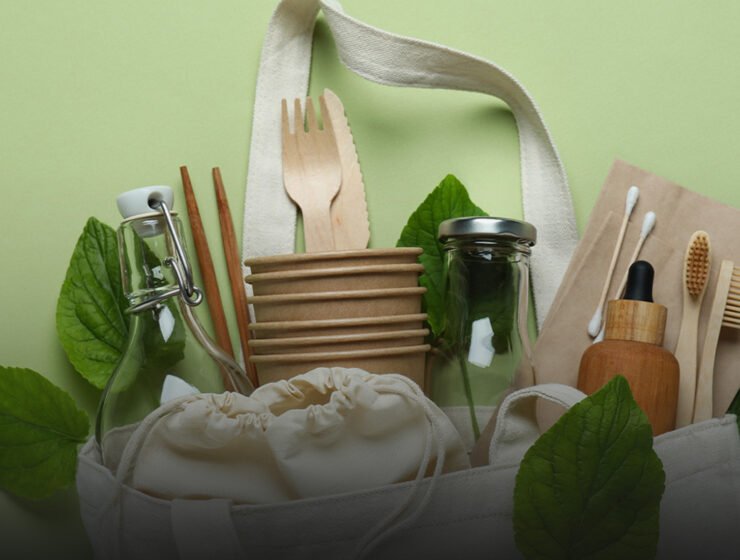
Invest in high-quality reusable shopping bags, produce bags, and containers. When you go shopping, always bring these items with you. Use reusable produce bags for fruits and vegetables and store dry goods in glass jars or stainless steel containers. This practice not only reduces waste but also keeps your food fresh and organized.

5. Shop at Local Markets

Local farmers’ markets and co-ops are excellent places to find fresh, unpackaged produce and other goods. Many vendors offer products in bulk or with minimal packaging. Shopping locally also supports small businesses and reduces the carbon footprint associated with long-distance transportation.

6. Bring Your Own Containers

For items like deli meats, cheese, or baked goods, bring your own containers to the store. Many places are happy to accommodate this request if you ask politely. This simple habit can significantly reduce the amount of single-use packaging you accumulate.

7. Opt for Refillable Products

Choose products that offer refillable options, such as cleaning supplies, personal care items, and pantry staples. Some stores have refill stations where you can bring your own containers to refill with products like soap, shampoo, or even coffee. This practice helps cut down on single-use plastics and encourages a circular economy.

8. Avoid Single-Use Items

Single-use items, such as plastic straws, cutlery, and plates, contribute significantly to packaging waste. Instead, opt for reusable alternatives made from materials like stainless steel, bamboo, or glass. Keep a set of reusable utensils and a straw in your bag or car to avoid the temptation of disposable options.

9. Educate Yourself on Packaging Materials

Understanding the different types of packaging materials and their recyclability can help you make more informed choices. For example, glass and aluminum are often more easily recyclable than plastics. Look for packaging that clearly states its recyclability or compostability.

10. Support Zero Waste Brands

Many brands are committed to zero waste principles and offer products designed to minimize environmental impact. Support these brands by purchasing their products and spreading the word about their efforts. Your support can encourage more companies to adopt sustainable practices.

11. Practice DIY and Upcycling

For certain items, consider DIY options or upcycling existing materials. For instance, you can make your own cleaning products using simple ingredients or repurpose glass jars and containers for storage. This not only reduces waste but also allows you to control the ingredients and quality of the products you use.

12. Reduce Food Waste

Reducing food waste is closely tied to reducing packaging waste. Plan your meals, store leftovers properly, and use up ingredients before they spoil. By minimizing food waste, you reduce the need for additional packaging and contribute to a more sustainable lifestyle.

13. Engage with Your Community

Participate in or start local initiatives focused on zero waste practices. Community efforts, such as clothing swaps, zero waste workshops, or bulk buying groups, can amplify your individual efforts and foster a culture of sustainability.

Conclusion

Adopting zero waste shopping habits may require some adjustments, but the positive impact on the environment is well worth the effort. By planning ahead, choosing minimal packaging, and embracing reusable and refillable options, you can significantly reduce your packaging waste. Every small action contributes to a larger movement toward a more sustainable future.

For more tips and resources on zero waste living, explore our website and join the conversation on how we can collectively make a difference. Together, we can reduce waste and build a cleaner, greener world for future generations.

DIY Zero Waste Products: Simple Swaps You Can Make

Embracing a zero waste lifestyle doesn’t mean overhauling your entire life overnight. Sometimes, the smallest changes can have the most significant impact. If you’re looking to reduce your environmental footprint and minimize waste, making DIY zero waste products is a fantastic way to start. Here are some simple swaps you can make to reduce your reliance on single-use plastics and packaged goods, all while saving money and getting creative.

1. Reusable Grocery Bags

Swap: Single-use plastic bags
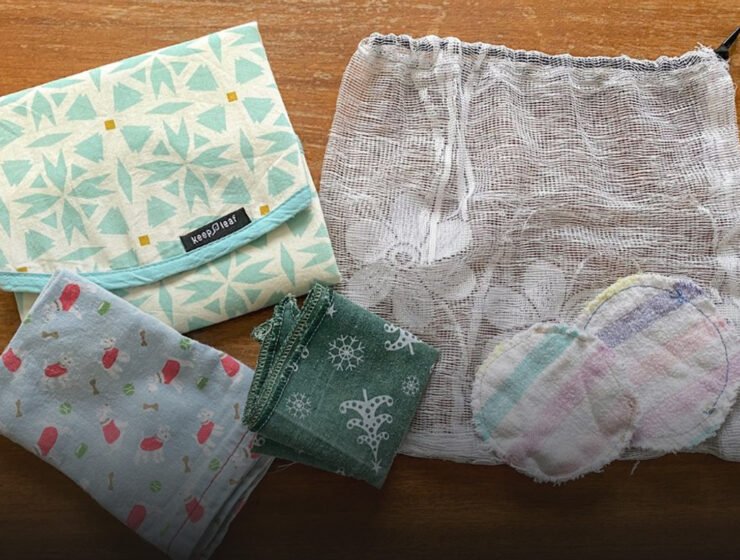
DIY: Make your own reusable grocery bags using fabric scraps or old T-shirts. Simply cut and sew the fabric into tote bags. There are many free patterns available online that can guide you through the process.

2. Beeswax Wraps

Swap: Plastic wrap
DIY: Create your own beeswax wraps to cover food and store leftovers. You’ll need fabric squares, beeswax pellets, and a little bit of pine resin and jojoba oil. Melt the beeswax mixture, brush it onto the fabric, and let it dry. These wraps are washable and reusable.

3. Homemade Cleaning Products

Swap: Store-bought cleaning supplies with plastic bottles
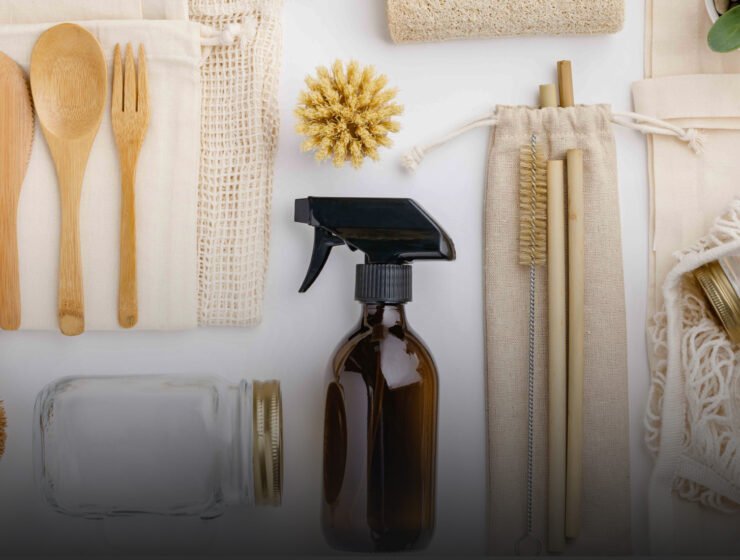
DIY: Mix simple ingredients to create effective cleaning solutions. For an all-purpose cleaner, combine 1 cup of water, 1 cup of white vinegar, and a few drops of essential oil (like lemon or lavender). Store in a reusable spray bottle.

4. Reusable Coffee Filters

Swap: Single-use paper coffee filters
DIY: Sew your own coffee filters from cotton fabric or use pre-made fabric filters. They are easy to clean and can be used repeatedly, reducing waste and saving you money in the long run.

5. Homemade Toothpaste

Swap: Toothpaste in plastic tubes
DIY: Make your own toothpaste using baking soda, coconut oil, and a few drops of essential oil for flavor. Mix 2 tablespoons of baking soda with 2 tablespoons of coconut oil and add essential oils to taste. Store in a small glass jar.

6. DIY Shampoo Bars

Swap: Liquid shampoo in plastic bottles
DIY: Create shampoo bars using a combination of natural ingredients like coconut oil, shea butter, and essential oils. There are many recipes available online that guide you through the process of making your own solid shampoo bars.

7. Homemade Deodorant

Swap: Plastic-wrapped deodorant sticks
DIY: Combine coconut oil, baking soda, and cornstarch to make your own natural deodorant. Melt the coconut oil and mix with baking soda and cornstarch until well combined. Add essential oils for fragrance. Pour into a reusable container and let it solidify.

8. Reusable Snack Bags

Swap: Disposable plastic snack bags
DIY: Sew your own reusable snack bags using fabric with a waterproof lining. They’re perfect for packing lunches and snacks without creating waste. You can use patterns and instructions available online to help with the sewing process.

9. Homemade Body Scrub

Swap: Scrubs in plastic containers
DIY: Mix sugar or coffee grounds with coconut oil to create a natural exfoliating body scrub. Add essential oils for a pleasant fragrance. Store in a glass jar and use as needed for a refreshing skin treatment.

10. DIY Cleaning Cloths

Swap: Disposable paper towels
DIY: Reuse old T-shirts, towels, or fabric scraps to make cleaning cloths. Cut the fabric into squares or rectangles and use them to clean surfaces. These can be washed and reused multiple times, reducing your need for paper towels.

11. Homemade Lip Balm

Swap: Lip balm in plastic tubes
DIY: Create your own lip balm using beeswax, coconut oil, and shea butter. Melt the beeswax and mix with the other ingredients. Pour into small reusable containers and let it set. Add essential oils for a hint of flavor.

12. DIY Lotion Bars

Swap: Lotion in plastic bottles
DIY: Make lotion bars using a mixture of beeswax, shea butter, and coconut oil. Melt the ingredients together, pour into silicone molds, and let them harden. These bars are convenient for travel and easy to use.

13. Homemade Fabric Softener

Swap: Fabric softener in plastic jugs
DIY: Combine 1 cup of white vinegar with 1/2 cup of baking soda and a few drops of essential oil. Add this mixture to your laundry as a natural fabric softener that helps soften clothes and reduce static.

14. DIY Air Fresheners

Swap: Air fresheners in disposable cans
DIY: Fill small glass jars with baking soda and a few drops of essential oil. Cover with a lid that has holes poked in it. Place these jars in various rooms to naturally freshen the air.

15. Reusable Makeup Remover Pads

Swap: Disposable cotton pads
DIY: Sew your own reusable makeup remover pads using soft cotton fabric. These can be washed and reused, making them a more sustainable alternative to single-use cotton pads.

Conclusion

Making these simple DIY zero waste products not only helps reduce your reliance on single-use items but also empowers you to take control of what goes into your home and onto your body. Each small swap contributes to a larger movement towards a more sustainable lifestyle. Start with one or two of these ideas and gradually incorporate more as you get comfortable with the process. Remember, every step towards zero waste is a step in the right direction for both you and the planet.

The Beginner’s Guide to Zero Waste Living

Embarking on a zero waste lifestyle can seem overwhelming at first, but it doesn’t have to be an all-or-nothing approach. Starting small and making gradual changes can lead to significant environmental benefits and a more mindful way of living. Here’s a beginner’s guide to help you navigate the journey towards zero waste living, with practical tips and manageable steps to get you started.

1. Understanding Zero Waste Living

Zero waste living is about minimizing the amount of waste you produce and making conscious choices to reduce your environmental impact. The goal is to divert as much waste as possible from landfills and incinerators by adopting practices that emphasize sustainability and resourcefulness. It’s not about perfection but about making improvements and finding solutions that fit your lifestyle.

2. Start with the 5 R’s

The zero waste movement is often guided by the 5 R’s: Refuse, Reduce, Reuse, Recycle, and Rot. Here’s how each principle can help you live more sustainably:

  • Refuse: Say no to items that you don’t need or that are packaged in single-use plastics. This includes things like plastic straws, junk mail, and free promotional items.
  • Reduce: Cut back on what you consume. Buy only what you need and opt for items with minimal packaging.
  • Reuse: Use items multiple times before discarding them. Embrace reusable alternatives like shopping bags, water bottles, and containers.
  • Recycle: When you must dispose of something, make sure it can be recycled. Familiarize yourself with your local recycling rules and try to sort items properly.
  • Rot: Compost food scraps and yard waste to enrich the soil and reduce landfill waste.

3. Evaluate Your Current Waste

Start by assessing your current waste generation. Track the types of waste you produce over a week or month. This can help identify areas where you might make the most impact. For example, if you notice a lot of food packaging, focusing on bulk buying or meal planning might be a good starting point.

4. Make Simple Swaps

Incorporate these easy swaps to reduce waste in your daily life:

  • Plastic Bags: Replace them with reusable shopping bags. Keep a few in your car or purse for convenience.
  • Single-Use Bottles: Invest in a reusable water bottle and coffee cup.
  • Paper Towels: Switch to cloth towels or napkins for cleaning and meal times.
  • Plastic Wrap: Use beeswax wraps or silicone lids to cover food.

5. Embrace Minimalism

Minimalism and zero waste living often go hand in hand. By adopting a minimalist mindset, you focus on quality over quantity, reducing clutter and excess consumption. Simplify your possessions, and only keep items that are useful or bring you joy. This approach can help you make more intentional purchases and reduce waste.

6. Plan Your Meals

Meal planning can significantly cut down on food waste. Create a weekly menu, make a shopping list, and stick to it. This helps prevent buying excess food that may go to waste. Store leftovers properly and use them within a few days to reduce spoilage.

7. Opt for Bulk Buying

Buying in bulk reduces packaging waste and can save you money. Many stores offer bulk sections for dry goods, grains, and even personal care products. Bring your own containers to fill with items like rice, beans, or flour.

8. Start Composting

Composting is a great way to handle organic waste like fruit and vegetable scraps, coffee grounds, and eggshells. It reduces landfill waste and creates nutrient-rich soil for your garden. There are various composting methods to suit different living situations, from backyard bins to indoor worm composting.

9. Support Sustainable Brands

Choose products from companies that prioritize sustainability. Look for brands that use eco-friendly packaging, source materials responsibly, and offer refillable or recyclable options. Supporting these businesses encourages more companies to adopt sustainable practices.

10. Educate Yourself and Others

Staying informed about zero waste practices and sharing what you learn can amplify your impact. Follow blogs, watch documentaries, and join zero waste communities online. Engage in conversations with friends and family to inspire them to make eco-friendly choices.

11. Reduce Energy and Water Use

Cutting down on energy and water consumption contributes to a zero waste lifestyle. Turn off lights when not in use, unplug electronics, and use energy-efficient appliances. Be mindful of water usage by fixing leaks, taking shorter showers, and using water-saving fixtures.

12. Shop Secondhand

Before buying new, consider shopping secondhand. Thrift stores, consignment shops, and online marketplaces offer a wide range of items, from clothing to furniture, reducing the demand for new products and extending the life of existing ones.

13. DIY and Upcycle

Get creative by making your own products or upcycling old items. From homemade cleaning solutions to repurposing glass jars for storage, DIY projects can be both fun and practical. Upcycling helps reduce waste and gives new life to materials that might otherwise be discarded.

14. Be Patient and Persistent

Transitioning to a zero waste lifestyle is a gradual process. It’s important to be patient with yourself and recognize that perfection is not the goal. Celebrate your progress, no matter how small, and continue making improvements over time.

Conclusion

Zero waste living is a journey, not a destination. By starting with small, manageable changes and gradually incorporating more sustainable practices, you can make a significant difference in reducing waste and promoting a healthier environment. Remember, every step you take towards minimizing waste is a step in the right direction. Embrace the process, stay informed, and enjoy the positive impact you’re making on the planet.

For more resources and tips on zero waste living, explore our website and join our community of eco-conscious individuals dedicated to making a difference. Together, we can create a more sustainable world for future generations.

The Benefits of a Zero Waste Lifestyle: Health and Environmental Impacts

Adopting a zero waste lifestyle is more than just a trend—it’s a profound shift towards a more sustainable way of living. While the primary goal is often to reduce the amount of waste sent to landfills, the benefits of this lifestyle extend far beyond waste management. Embracing zero waste practices can lead to significant health and environmental improvements, creating a positive ripple effect throughout our lives and ecosystems. Here’s a closer look at the health and environmental benefits of a zero waste lifestyle.

Health Benefits

  1. Reduced Exposure to Toxic Chemicals

Many single-use plastics and packaged goods contain harmful chemicals like BPA, phthalates, and other endocrine disruptors. These substances can leach into food and beverages, posing potential health risks. By opting for glass, stainless steel, and natural materials, you reduce your exposure to these toxins, leading to a healthier lifestyle.

  1. Improved Indoor Air Quality

Disposable products, such as air fresheners and cleaning supplies, often contain volatile organic compounds (VOCs) that can affect indoor air quality. Transitioning to natural, homemade cleaning solutions and reducing the use of synthetic fragrances can improve air quality in your home, leading to better respiratory health and overall well-being.

  1. Encourages a Healthier Diet

Zero waste living often involves cooking more at home, using fresh, unpackaged ingredients. This shift can lead to a healthier diet, with more fruits, vegetables, and whole foods. Reducing reliance on processed and packaged foods also helps avoid preservatives and artificial ingredients, promoting better nutrition.

  1. Reduced Risk of Allergies and Sensitivities

Many people experience allergies or sensitivities to chemicals found in household products and packaged foods. By making the switch to natural alternatives and minimizing packaging, you reduce your exposure to allergens and irritants, potentially alleviating allergy symptoms and sensitivities.

  1. Enhanced Mental Well-Being

A zero waste lifestyle encourages mindfulness and intentional living. The process of decluttering and simplifying your life can lead to reduced stress and improved mental clarity. Knowing that you’re contributing to a positive change can also provide a sense of purpose and satisfaction.

Environmental Benefits

  1. Decreased Landfill Waste

One of the most significant environmental benefits of a zero waste lifestyle is the reduction in landfill waste. By minimizing the amount of waste you produce and diverting materials from landfills, you help reduce the environmental impact associated with waste management and landfill expansion.

  1. Conservation of Resources

Zero waste practices often involve using resources more efficiently and repurposing materials. By buying in bulk, using reusable items, and repairing goods, you conserve valuable natural resources and reduce the need for raw materials, contributing to a more sustainable use of Earth’s resources.

  1. Lower Carbon Footprint

Reducing waste generally means consuming fewer resources and energy. For example, buying products with minimal packaging or making your own goods reduces the energy and resources required for manufacturing and transportation. This decrease in consumption helps lower your overall carbon footprint and mitigates climate change.

  1. Reduced Pollution

Less waste means less pollution. Single-use plastics and other disposable products contribute to ocean pollution, harming marine life and ecosystems. By minimizing your use of these products, you help reduce pollution and protect wildlife, contributing to healthier ecosystems.

  1. Encouragement of Sustainable Practices

Adopting a zero waste lifestyle often involves supporting sustainable and ethical businesses. This support helps drive demand for eco-friendly products and practices, encouraging more companies to adopt sustainable methods and reducing the overall environmental impact of consumer goods.

  1. Promotion of Circular Economy

Zero waste living promotes the principles of a circular economy, where products are designed to be reused, repaired, or recycled rather than disposed of after a single use. This shift helps close the loop in resource use, reduces waste, and fosters a more sustainable economic model.

Additional Considerations

  1. Community and Social Impact

A zero waste lifestyle can also positively impact communities. By supporting local businesses and participating in community-based zero waste initiatives, you contribute to local economies and foster a culture of sustainability. Community events, swaps, and workshops can further strengthen social bonds and spread awareness.

  1. Educational Opportunities

The process of transitioning to a zero waste lifestyle provides valuable educational opportunities. Learning about waste management, resource conservation, and sustainable practices can increase your knowledge and inspire others to adopt similar practices, amplifying the overall impact.

Conclusion

The benefits of a zero waste lifestyle are extensive, encompassing both health and environmental improvements. By reducing exposure to harmful chemicals, promoting healthier eating habits, and minimizing your environmental footprint, you contribute to a more sustainable and healthy world. Embracing zero waste practices not only enhances your personal well-being but also supports the health of our planet and future generations.

As you embark on this journey, remember that every small step counts. Whether you start by reducing single-use plastics, composting, or supporting sustainable brands, your efforts contribute to a broader movement towards a more eco-friendly and healthier world. Explore more resources and tips on zero waste living on our website, and join the growing community dedicated to making a positive impact on both health and the environment.

Zero Waste Kitchen Tips and Tricks for a Sustainable Space

Creating a zero waste kitchen is a fantastic way to reduce your environmental footprint and embrace a more sustainable lifestyle. The kitchen is often a major source of waste, from food packaging to disposable utensils, but with a few thoughtful changes, you can transform it into a more eco-friendly space. Here are some practical tips and tricks to help you achieve a zero waste kitchen.

1. Embrace Reusables

Swap: Single-use items like plastic wrap and disposable cutlery
Try: Reusable alternatives such as beeswax wraps, silicone lids, and stainless steel utensils. These items are not only durable but also help cut down on waste.

  • Beeswax Wraps: Perfect for covering leftovers or wrapping sandwiches.
  • Silicone Lids: Useful for covering bowls and pots.
  • Stainless Steel Cutlery: Invest in high-quality utensils that can be used repeatedly.

2. Opt for Bulk Buying

Swap: Packaged goods with excess packaging
Try: Buying in bulk from stores that offer bulk bins or refill stations. Bring your own reusable containers to fill with staples like grains, nuts, and spices. This reduces packaging waste and often saves money.

3. Store Food Wisely

Swap: Plastic bags and single-use containers
Try: Glass jars, stainless steel containers, and fabric bags. These options are reusable and help keep food fresh without adding to landfill waste. Consider repurposing glass jars from other products as storage containers.

4. Compost Food Scraps

Swap: Throwing food scraps in the trash
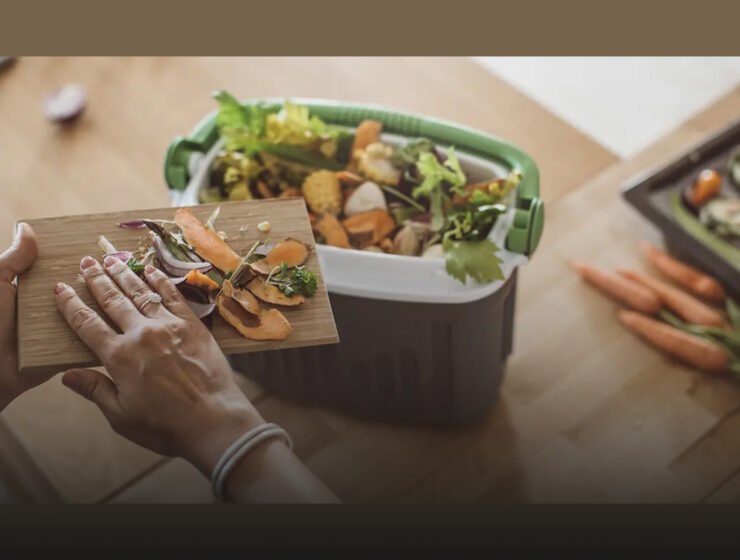
Try: Composting. Set up a compost bin or use a composting service if available. Composting reduces waste and creates nutrient-rich soil for gardening. You can compost fruit and vegetable scraps, coffee grounds, eggshells, and more.

5. Reduce Food Waste

Swap: Throwing away leftovers
Try: Meal planning and proper food storage. Plan meals to use up ingredients before they spoil, and store leftovers in reusable containers. Learn to love leftovers and get creative with recipes to make the most of what you have.

6. Use Eco-Friendly Cleaning Products

Swap: Chemical-laden cleaning products
Try: DIY cleaning solutions made from natural ingredients like vinegar, baking soda, and essential oils. These are effective and less harmful to the environment. For example, a mixture of vinegar and water works great for general cleaning.

7. Make Your Own Pantry Staples

Swap: Store-bought pantry staples with excess packaging
Try: Homemade versions of common items like bread, granola bars, and nut butters. Homemade versions often taste better, cost less, and reduce packaging waste. Invest in reusable jars and containers for easy storage.

8. Choose Eco-Friendly Cookware

Swap: Non-stick pans with synthetic coatings
Try: Cookware made from sustainable materials like cast iron, stainless steel, or bamboo. These materials are durable and have a longer lifespan, reducing the need for replacements and waste.

9. DIY and Upcycle

Swap: Discarding old kitchen items
Try: Upcycling and DIY projects. For example, old jars can be turned into spice containers, and wooden spoons can be refinished or used for craft projects. Get creative with repurposing to extend the life of kitchen items.

10. Practice Smart Shopping

Swap: Impulse buys and excessive packaging
Try: Thoughtful shopping habits. Make a list before going to the store to avoid buying items you don’t need. Choose products with minimal packaging and opt for brands that prioritize sustainability.

11. Use Cloth Instead of Paper

Swap: Paper towels and napkins
Try: Cloth towels and napkins. They are reusable and can be washed and used many times. Keep a stack of cloth napkins and towels in your kitchen for cleaning up spills and drying dishes.

12. Educate and Involve the Family

Swap: Ignoring zero waste principles
Try: Educating your family and involving them in your zero waste efforts. Explain the benefits of reducing waste and encourage everyone to participate in making sustainable choices, from composting to using reusable containers.

13. Reduce Energy Consumption

Swap: Leaving appliances on
Try: Being mindful of energy use. Turn off appliances when not in use, use energy-efficient appliances, and cook in batches to save energy. Simple practices like these help lower your carbon footprint.

14. Make a Zero Waste Kitchen Kit

Swap: Single-use convenience items
Try: Assembling a zero waste kitchen kit with essentials like reusable bags, containers, utensils, and cloth napkins. Keep it handy for grocery shopping and meal prep to make sustainable choices easier.

15. Learn and Adapt

Swap: Sticking to old habits
Try: Continuously learning and adapting your zero waste practices. Stay informed about new sustainable products and methods. Experiment with different solutions and adjust as needed to fit your lifestyle.

Conclusion

Transitioning to a zero waste kitchen requires some effort and creativity, but the rewards are well worth it. By adopting these tips and tricks, you can create a more sustainable and eco-friendly kitchen that benefits both your health and the environment. Remember, every small change contributes to a larger impact, and it’s all about making gradual improvements. Explore additional resources and tools on our website to continue your journey towards a zero waste lifestyle.